Nudity in Scandinavia has a rich and varied history that stretches back to ancient times. The Vikings, known for their seafaring prowess and fierce warrior culture, also had a surprisingly relaxed attitude toward nudity. Archaeological findings suggest that bathing was a communal activity, often taking place in natural hot springs or rivers.
The sagas tell tales of warriors who would strip down before battle, not out of shame but as a display of strength and fearlessness. This historical context laid the groundwork for a cultural acceptance of the human body that persists to this day. As time marched on, the influence of Christianity brought about a shift in attitudes toward nudity.
The church often viewed the naked body as something to be ashamed of, leading to a more conservative approach in many aspects of life. However, this didn’t completely erase the Scandinavian affinity for nudity. In fact, the tension between these two perspectives has created a unique cultural landscape where nudity is both celebrated and scrutinized.
The modern Scandinavian ethos embraces a more open-minded view, allowing for a nuanced relationship with nudity that reflects both historical roots and contemporary values.
The Nordic Approach to Nudity
The Nordic approach to nudity is characterized by a refreshing blend of openness and practicality. In countries like Sweden, Norway, and Denmark, nudity is often seen as a natural state rather than something to be hidden away. This perspective is deeply ingrained in the culture, where the human body is celebrated for its beauty and functionality rather than objectified or sexualized.
It’s not uncommon to see people sunbathing in the nude at public beaches or enjoying a leisurely stroll through nature without the constraints of clothing. This acceptance extends beyond mere tolerance; it’s woven into the fabric of daily life. For instance, many Nordic families embrace nudity as part of their upbringing, teaching children from a young age that there’s nothing shameful about their bodies.
This fosters a sense of body positivity and self-acceptance that can be hard to find in more conservative cultures. The Nordic approach encourages individuals to feel comfortable in their own skin, promoting a healthy relationship with one’s body that can last a lifetime.
Nudity and Sauna Culture in the Nordics

Briefs? Maybe not, it’s Scandinavia
Sauna culture is perhaps one of the most iconic aspects of Nordic life, and it’s intrinsically linked to the concept of nudity. In Finland, where saunas are considered a national treasure, it’s customary to enjoy the experience in the nude. This practice isn’t merely about comfort; it’s about embracing the communal aspect of sauna life.
Friends and family gather together, often sharing stories and laughter while enjoying the heat and steam. The absence of clothing serves to level the playing field, stripping away social hierarchies and allowing for genuine connection. The sauna experience is steeped in tradition, with roots that can be traced back thousands of years.
It’s not just a place to relax; it’s a sanctuary for reflection and rejuvenation. Many Finns will tell you that stepping into a sauna is akin to stepping into another world—one where worries melt away along with the sweat. This cultural ritual reinforces the idea that nudity is not something to be embarrassed about but rather an integral part of life that fosters community and well-being.
Nudity in Nordic Art and Literature
Nudity has long been a prominent theme in Nordic art and literature, reflecting the region’s complex relationship with the human form. From ancient Norse mythology to contemporary works, artists have explored nudity as a symbol of purity, vulnerability, and strength. The famous painter Edvard Munch, known for his emotionally charged works, often depicted figures in various states of undress, capturing raw human emotion and existential angst.
His art invites viewers to confront their own feelings about nudity and the human condition. Literature also plays a significant role in shaping perceptions of nudity in Scandinavia. Writers like Hans Christian Andersen and Selma Lagerlöf have woven themes of nakedness into their narratives, using it as a metaphor for authenticity and self-discovery.
In these stories, characters often find liberation through shedding their clothes—both literally and metaphorically—allowing them to embrace their true selves. This literary tradition underscores the idea that nudity can be a powerful tool for exploring identity and vulnerability.
Nudity and Body Positivity in the Nordics
Body positivity is a movement that has gained traction worldwide, but it finds particularly fertile ground in Scandinavia. The region’s cultural acceptance of nudity contributes significantly to this ethos, encouraging individuals to embrace their bodies regardless of societal standards. In countries like Sweden and Norway, campaigns promoting body diversity are commonplace, celebrating all shapes, sizes, and colors.
This inclusive attitude fosters an environment where people feel empowered to love themselves as they are. Moreover, Scandinavian media often showcases diverse representations of bodies in advertising and entertainment.
This shift away from unrealistic beauty standards helps combat body shaming and promotes self-acceptance among individuals of all ages.
By normalizing nudity in various contexts—be it through art, literature, or everyday life—the Nordics create a culture where people can appreciate their bodies without fear or judgment. This commitment to body positivity not only enhances individual well-being but also strengthens community bonds.
Nudity and Outdoor Activities in Scandinavia
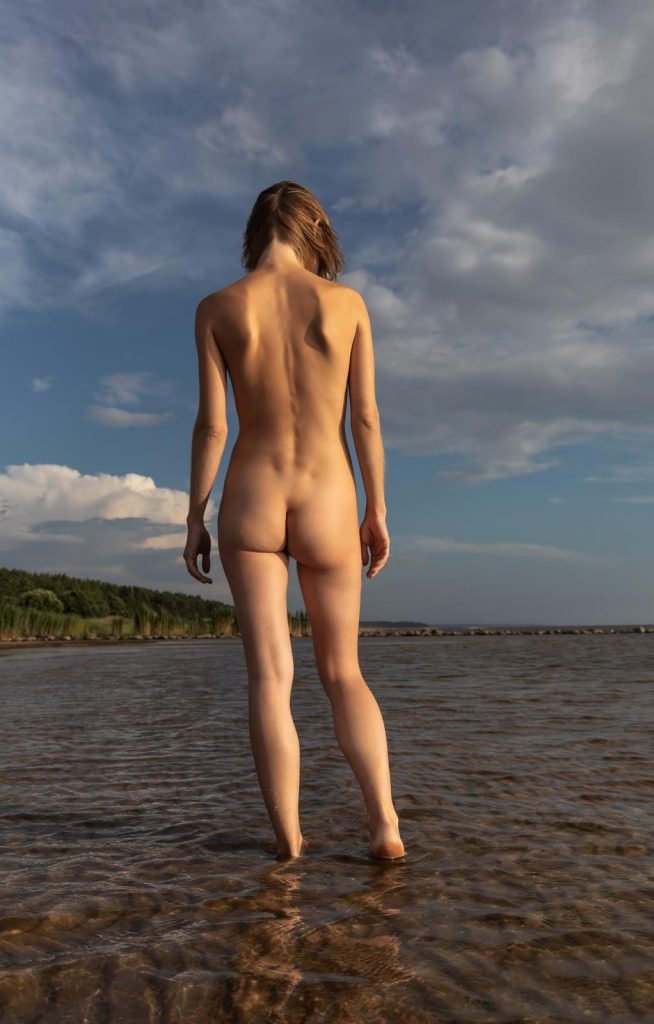
In Scandinavia, outdoor activities are an integral part of life, and nudity often finds its way into these pursuits. Whether it’s hiking through breathtaking landscapes or swimming in pristine lakes, many Scandinavians embrace the freedom that comes with being unclothed in nature. The concept of “friluftsliv,” or “open-air living,” encourages people to connect with the great outdoors, often shedding their clothes along the way.
This philosophy celebrates the beauty of nature while promoting physical health and mental well-being. The practice of skinny dipping is particularly popular during the summer months when temperatures rise and lakes beckon for a refreshing dip. It’s not uncommon to see groups of friends or families enjoying a swim in their birthday suits, reveling in the joy of being one with nature.
This connection between nudity and outdoor activities highlights a sense of liberation that many Scandinavians cherish—a reminder that life is best experienced when we embrace our natural selves.
Nudity and Gender Equality in the Nordics
The Nordic countries are often lauded for their commitment to gender equality, and this extends into attitudes toward nudity as well. In societies where both men and women are encouraged to feel comfortable in their own skin, traditional gender norms begin to dissolve. Public spaces like saunas or beaches become arenas for equality, where everyone is stripped down to their most basic selves—literally and figuratively.
This shared experience fosters mutual respect and understanding between genders.
Moreover, discussions around body image and self-acceptance are increasingly inclusive in these societies. Campaigns advocating for gender equality often highlight the importance of embracing one’s body without fear of judgment or objectification.
By promoting an environment where nudity is normalized for all genders, Scandinavia challenges outdated stereotypes and encourages individuals to celebrate their uniqueness without comparison or competition.
Nudity and the Law in Scandinavia
When it comes to legal perspectives on nudity, Scandinavia stands out for its relatively liberal stance compared to many other regions around the world. Public nudity laws vary from country to country within the region; however, there tends to be an overarching acceptance of nudity in specific contexts such as beaches or saunas. For instance, many public beaches allow topless sunbathing without any legal repercussions—a reflection of societal norms that prioritize personal freedom over conservative restrictions.
However, this doesn’t mean that all forms of public nudity are accepted without question. Laws regarding indecent exposure still exist, aiming to balance personal freedom with public decency standards. Yet even these laws tend to be more lenient than those found elsewhere; they often focus on intent rather than simply being unclothed in public spaces.
This legal framework supports the broader cultural acceptance of nudity while ensuring that individuals can enjoy their freedoms without infringing on others’ rights. In conclusion, nudity in Scandinavia is far more than skin deep; it’s woven into the very fabric of society—reflecting historical legacies, cultural practices, artistic expressions, and evolving attitudes toward body image and gender equality. From ancient Viking traditions to modern sauna rituals, this unique relationship with nudity continues to shape how people interact with themselves and each other in this beautiful part of the world.






 English