Swearing is a universal human experience, a colorful expression of emotion that transcends language barriers. In the Nordic countries, where the landscapes are as stark and beautiful as the languages are melodic and complex, swearing takes on a unique character. Each country has its own flavor of profanity, often steeped in cultural nuances and historical context.
From Iceland’s poetic curses to Finland’s blunt expressions, Nordic swearing is not merely about the words themselves; it’s about the art of communication, the social dynamics at play, and the cultural identity that shapes how people express their frustrations, joys, and everything in between. In these countries, swearing can be both an art form and a social tool. It can serve as a means of bonding among friends or a way to express deep-seated emotions.
The Nordic approach to swearing often reflects a certain level of humor and creativity, with many insults being more imaginative than outright offensive. This article will take you on a journey through the various styles of swearing across the Nordic nations, exploring how each culture has crafted its own unique lexicon of curses and what these expressions reveal about their societies.
The Art of Swearing in Iceland
Nature and Mythology in Icelandic Insults
One of the most notable aspects of Icelandic swearing is its tendency to draw from nature and mythology. For instance, calling someone a “sólfari” (sun traveler) can imply that they are aimlessly wandering through life, while “skítkall” (shithead) is a more straightforward insult that still carries a certain charm.
A Unique Relationship with Swearing
Icelanders have a unique relationship with swearing that is often more playful than aggressive. In casual settings, you might hear friends jokingly hurling insults at one another, but it’s all in good fun. This playful banter can serve as a bonding experience, reinforcing friendships rather than creating rifts.
The Art of Personalized Insults
The Icelandic language allows for a certain flexibility in swearing; you can mix and match words to create your own personalized insult, making it an art form that reflects individual creativity.
Danish Swearing: A Unique Blend of Insults
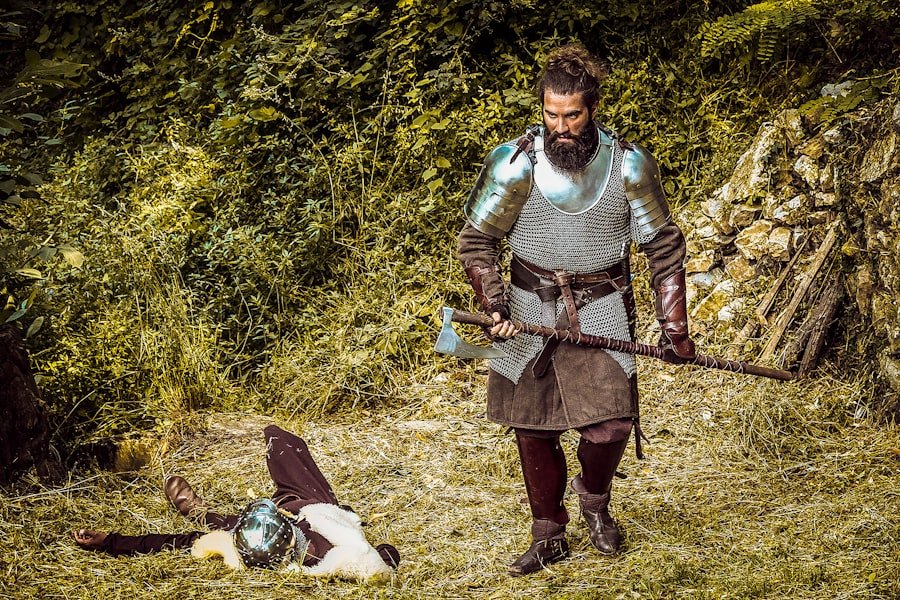
Swearing might have been less violent
Danish swearing is characterized by its unique blend of humor and absurdity. The Danes have a knack for crafting insults that are both clever and downright funny. For example, calling someone a “fandens olding” (devil’s old man) is not only an insult but also evokes an image that can make you chuckle.
The Danish language allows for playful combinations of words that can turn even the most mundane phrases into something hilariously offensive. What sets Danish swearing apart is its cultural context. In Denmark, swearing is often seen as a way to express camaraderie rather than hostility.
Friends might engage in light-hearted exchanges filled with colorful language, using swearing as a tool for humor rather than aggression. This cultural acceptance of swearing creates an environment where people feel comfortable expressing themselves freely, making it an integral part of everyday conversation.
Swedish Swearing: A Look at the Language of Profanity
Swedish swearing has its own distinct flavor, often characterized by its melodic sound and clever wordplay. One of the most famous Swedish curses is “jävla,” which translates to “damn” but can be used in various contexts to intensify an insult. For instance, “jävla idiot” (damn idiot) rolls off the tongue with a certain rhythm that makes it particularly satisfying to say.
The beauty of Swedish swearing lies in its ability to convey strong emotions while still sounding somewhat lyrical. In Sweden, swearing can also serve as a social equalizer. It’s not uncommon to hear even the most formal individuals drop an expletive during a heated discussion or when expressing frustration.
This casual approach to profanity reflects the Swedish value of egalitarianism; swearing becomes a way to break down barriers and connect with others on a more personal level. However, context matters—while swearing can be playful among friends, it may not be appropriate in more formal settings.
Norwegian Swearing: Exploring the Rude Side of Norwegian
Norwegian swearing is often marked by its straightforwardness and bluntness. The language has a variety of colorful expressions that can catch you off guard if you’re not familiar with them. For instance, calling someone a “drittsekk” (shit sack) is both vivid and direct, leaving little room for misinterpretation.
Norwegians tend to favor insults that are clear-cut and unambiguous, reflecting their no-nonsense approach to communication. Interestingly, Norwegian swearing often incorporates elements from other languages, particularly English.
This linguistic borrowing adds an extra layer of creativity to their insults.
You might hear someone exclaiming “What the hell!” or using English curse words alongside Norwegian ones in casual conversation. This blending of languages showcases the global influence on local culture while still maintaining a distinctly Norwegian flavor.
Finnish Swearing: A Deep Dive into Finnish Curse Words

When all else, invoking some form of the devil or hell usually works
The Intensity of Finnish Curse Words
The Finnish language boasts a rich collection of curse words that can leave even the most seasoned swearers bewildered. One popular expression is “perkele,” which roughly translates to “devil” but carries a weight that makes it one of the strongest curses in Finnish culture. Its guttural sound adds to its impact, making it a powerful tool for expressing frustration or anger.
Cultural Significance of Swearing in Finland
What sets Finnish swearing apart is its cultural significance. In Finland, swearing is often viewed as a cathartic release, allowing individuals to vent their emotions in a society that values stoicism and restraint. This perspective highlights the importance of emotional expression in Finnish culture.
The Dual Role of Swearing in Finnish Society
When Finns use colorful language, it’s often accompanied by laughter or camaraderie among friends. This duality underscores the dual role of swearing in Finnish society, serving both as an emotional outlet and a means of social bonding.
Cultural Context: Understanding the Role of Swearing in Nordic Countries
Swearing in Nordic countries is deeply intertwined with cultural identity and social norms. In many cases, it serves as a reflection of societal values such as equality, humor, and emotional expression. While some cultures may view swearing as taboo or inappropriate, Nordic societies often embrace it as part of everyday life.
This acceptance allows for more open communication and fosters connections among individuals. Moreover, the role of swearing varies across different contexts within each country. In casual settings among friends, colorful language can enhance camaraderie and create an atmosphere of comfort and familiarity.
However, in formal situations or professional environments, the use of profanity may be frowned upon or considered disrespectful. Understanding these nuances is crucial for anyone looking to navigate social interactions in Nordic countries effectively.
The Dos and Don’ts of Swearing in Nordic Countries
When it comes to swearing in Nordic countries, there are some essential dos and don’ts to keep in mind. First and foremost, it’s crucial to gauge your audience before unleashing your inner swearer. Among friends or peers, colorful language may be welcomed and even encouraged; however, in formal settings or with strangers, it’s best to err on the side of caution.
Another important consideration is the cultural context surrounding specific words or phrases.
While some insults may seem harmless or humorous to outsiders, they could carry significant weight within the local culture.
Familiarizing yourself with common expressions and their connotations can help you avoid unintentional offense.
In conclusion, Nordic swearing offers a fascinating glimpse into the cultures of these countries—each with its own unique expressions and social dynamics surrounding profanity. Whether it’s Iceland’s poetic curses or Finland’s intense exclamations, swearing serves as both an art form and a means of connection among individuals. By understanding the nuances of swearing in these cultures, you can navigate social interactions with confidence and perhaps even join in on the fun when appropriate. If all else fails, English and Frnech words work virtually everywhere.

 English