
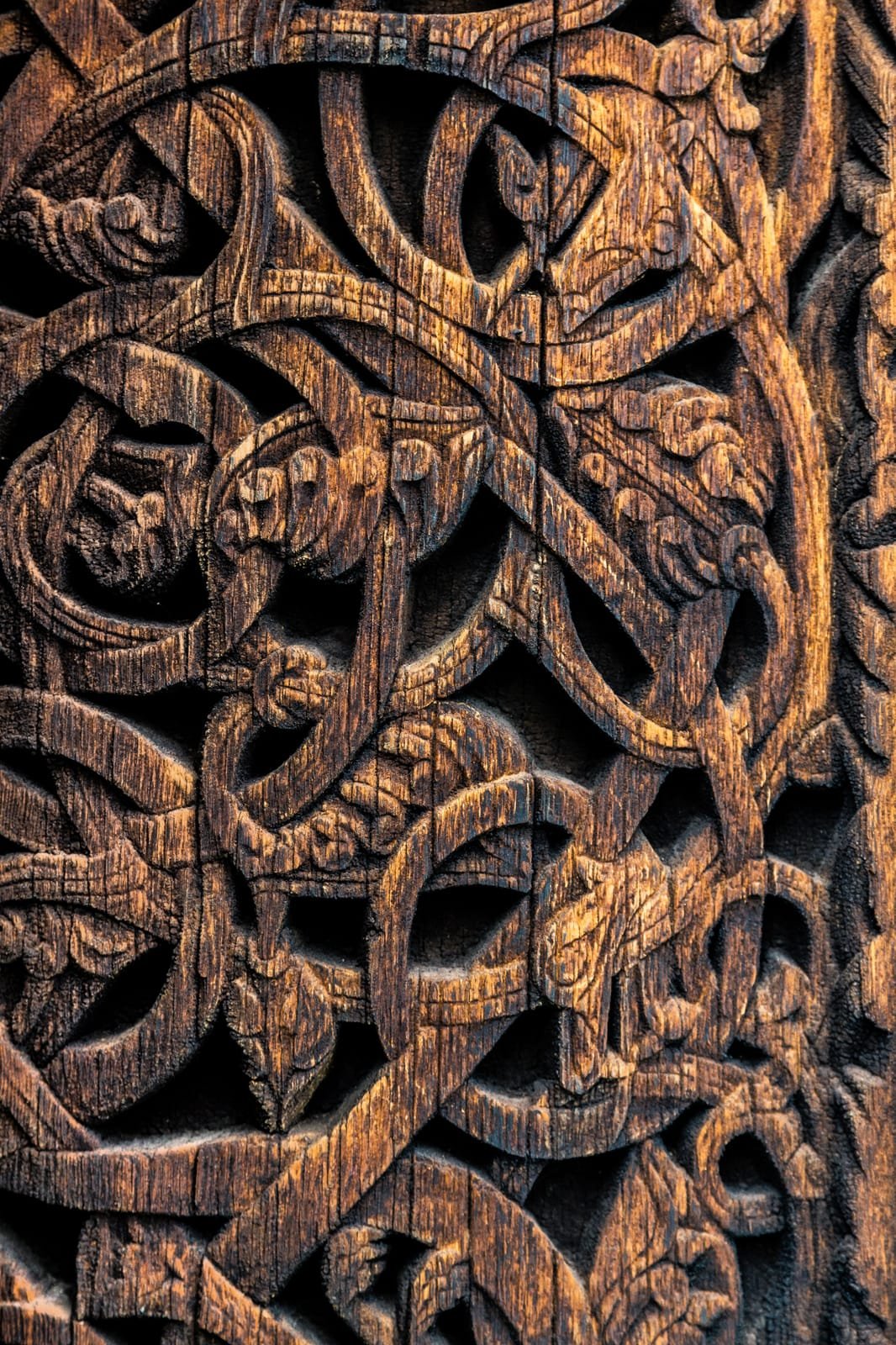
Nestled in the heart of Oslo, the New Museum of the Viking Age is set to become a beacon of cultural heritage and historical exploration. Scheduled to open its doors in (delayed one year) 2027, this ambitious project aims to provide a fresh perspective on the Viking Age, a period that has long fascinated historians, archaeologists, and the general public alike. The museum promises to be more than just a collection of artifacts; it will serve as a dynamic space for storytelling, education, and cultural exchange.
With its innovative approach to showcasing the Viking legacy, it seeks to engage visitors in a way that resonates with both the past and the present. The Viking Age, spanning from approximately 793 to 1066 AD, was a time of exploration, trade, and cultural exchange that shaped much of Northern Europe. The new museum aims to capture this essence by presenting not only the well-known tales of raiding and conquest but also the rich tapestry of daily life, craftsmanship, and societal structures that defined the era.
As we stand on the brink of this exciting new chapter in Norway’s cultural landscape, it’s clear that the museum will play a pivotal role in redefining our understanding of the Vikings and their enduring legacy.
The Significance of Norway’s Moment in 2027
The year 2027 holds particular significance for Norway as it marks the 1,000th anniversary of the death of King Harald Hardrada, one of the most legendary figures of the Viking Age. This milestone provides a unique opportunity for Norway to celebrate its rich history while also reflecting on its cultural evolution over the past millennium. The New Museum of the Viking Age is poised to be at the forefront of these celebrations, offering a platform for both locals and international visitors to engage with Norway’s storied past.
This moment is not merely about commemorating a historical figure; it’s about embracing a narrative that has shaped national identity. The museum will serve as a reminder of Norway’s maritime heritage and its role in connecting different cultures through trade and exploration. By highlighting these themes, the museum aims to foster a sense of pride among Norwegians while also inviting global audiences to appreciate the complexities of Viking history.
In doing so, it will contribute to a broader understanding of how history informs contemporary society.
Exhibits and Artifacts Showcased in the Museum
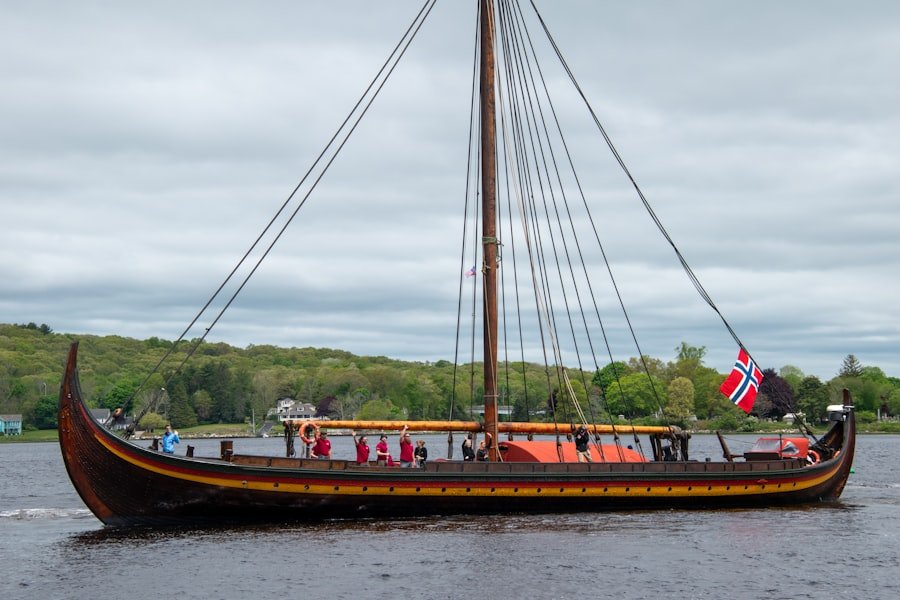
Norwegian, with Denmark and Sweden thrown in as well
One of the most exciting aspects of the New Museum of the Viking Age is its promise to showcase an extensive array of exhibits and artifacts that tell the story of this fascinating era. Visitors can expect to encounter everything from intricately crafted jewelry and weapons to everyday household items that reveal insights into Viking life. The museum’s curators are working diligently to ensure that each exhibit is not only visually stunning but also rich in context, allowing visitors to grasp the significance behind each piece.
Among the highlights will be artifacts recovered from famous archaeological sites such as Oseberg and Gokstad, which have already provided invaluable insights into Viking shipbuilding and burial practices. These ships, with their elegant lines and advanced design, are testaments to the Vikings’ seafaring prowess. Additionally, interactive displays will allow visitors to explore how these artifacts were used in daily life, providing a more immersive experience that goes beyond mere observation.
The goal is to create an environment where history comes alive, sparking curiosity and encouraging deeper exploration.
The Architecture and Design of the Museum
The architectural design of the New Museum of the Viking Age is as much a part of its allure as the exhibits it houses. Designed by a team of visionary architects, the building will blend seamlessly with its surroundings while also standing out as a modern landmark. The structure is intended to evoke the spirit of Viking longhouses, with sweeping lines and natural materials that reflect Norway’s stunning landscapes.
This thoughtful design aims to create a sense of connection between the past and present, inviting visitors to step into a space that feels both ancient and contemporary. Inside, the layout will be carefully crafted to guide visitors through a chronological journey of the Viking Age. Open spaces will encourage exploration, while intimate galleries will allow for focused engagement with specific themes or artifacts.
Natural light will play a crucial role in illuminating exhibits, creating an inviting atmosphere that enhances the overall experience. The museum’s design is not merely functional; it is an integral part of how stories are told and how visitors interact with history.
Interactive and Educational Experiences for Visitors
In an age where passive observation is becoming less appealing, the New Museum of the Viking Age is committed to providing interactive and educational experiences that captivate visitors of all ages. From virtual reality experiences that transport guests back in time to hands-on workshops where they can try their hand at traditional crafts, the museum aims to engage all senses. Imagine donning a VR headset and sailing alongside Vikings on their longships or participating in a workshop where you learn to weave like a Viking artisan—these experiences are designed to make history tangible.
Educational programs will also be a cornerstone of the museum’s mission. Collaborations with schools and universities will ensure that students can benefit from tailored learning experiences that align with their curricula. Special events such as lectures by historians, storytelling sessions, and reenactments will further enrich visitors’ understanding of Viking culture.
By fostering an environment where learning is interactive and enjoyable, the museum hopes to inspire a new generation to appreciate and explore their heritage.
The Impact of the Museum on Tourism and Cultural Exchange

Vikings will soon (virtually) roams the fjords of Norway once again
The opening of the New Museum of the Viking Age is expected to have a significant impact on tourism in Norway. As travelers increasingly seek authentic cultural experiences, this museum will serve as a major draw for those interested in history and heritage.
With its unique focus on the Viking Age, it will attract not only tourists from around Norway but also international visitors eager to learn about this captivating period.
The potential for increased foot traffic could benefit local businesses, from restaurants to hotels, creating a ripple effect throughout Oslo’s economy. Moreover, the museum will act as a hub for cultural exchange, inviting scholars, artists, and enthusiasts from around the world to engage with Norway’s Viking heritage. Special exhibitions featuring artifacts from other countries or collaborative projects with international institutions will foster dialogue about shared histories and cultural connections.
This exchange can lead to greater understanding and appreciation among diverse communities, reinforcing the idea that history is not confined by borders but is instead a shared human experience.
Collaboration with International Institutions and Experts
To ensure that it remains at the forefront of Viking studies, the New Museum of the Viking Age is committed to collaborating with international institutions and experts in archaeology, history, and cultural studies. These partnerships will not only enhance the quality of exhibits but also facilitate knowledge sharing that benefits both researchers and visitors alike. By working with leading scholars from around the globe, the museum can incorporate cutting-edge research into its displays and educational programs.
Additionally, these collaborations may lead to traveling exhibitions that showcase artifacts from other countries’ Viking-related collections. Such initiatives would not only enrich Norway’s offerings but also promote global interest in Viking history. By fostering these relationships, the museum positions itself as a key player in an international network dedicated to preserving and interpreting our shared past.
The Role of the Museum in Preserving and Promoting Viking Age History
Ultimately, the New Museum of the Viking Age serves a vital role in preserving and promoting an understanding of Viking history for future generations.
By curating artifacts and narratives that highlight both well-known events and lesser-known aspects of daily life during this era, it aims to create a comprehensive picture of what it meant to be a Viking.
This commitment to preservation extends beyond physical artifacts; it encompasses oral histories, traditions, and cultural practices that have been passed down through generations.
As society continues to grapple with issues related to identity and heritage in an increasingly globalized world, museums like this one become essential spaces for reflection and dialogue. They remind us that our histories are interconnected and that understanding our past can inform our present and future choices. The New Museum of the Viking Age stands as a testament to Norway’s dedication to honoring its rich heritage while inviting everyone—locals and tourists alike—to explore what it means to be part of this ongoing story.



 English