

Danish design has a rich history that dates back to the early 20th century, emerging as a distinct movement that sought to combine functionality with beauty. The roots of this design philosophy can be traced to the Bauhaus movement in Germany, which emphasized simplicity and the idea that form should follow function. Danish designers took these principles and infused them with a unique Nordic sensibility, characterized by clean lines, organic shapes, and a deep respect for craftsmanship.
The 1920s and 1930s saw a blossoming of talent, with figures like Hans J. Wegner and Arne Jacobsen leading the charge.
Their work not only defined an era but also laid the groundwork for what would become a global appreciation for Danish design.
The post-World War II period marked a significant turning point for Danish design. As Europe began to rebuild, there was a growing demand for affordable yet stylish furniture that could cater to the needs of a modernizing society. This era saw the rise of iconic pieces like Wegner’s “Wishbone Chair” and Jacobsen’s “Egg Chair,” which became symbols of a new way of living—one that embraced minimalism and functionality without sacrificing aesthetic appeal.
The Danish government even played a role in promoting this design ethos, establishing institutions like the Danish Design Center to support and showcase local talent. This commitment to design excellence helped solidify Denmark’s reputation as a leader in the field, influencing generations of designers around the world.
The Influence of Scandinavian Aesthetics
Scandinavian aesthetics are often characterized by their emphasis on simplicity, functionality, and a connection to nature. This design philosophy is deeply rooted in the region’s cultural heritage, where the harsh climate and rugged landscapes have shaped a lifestyle that values practicality and comfort. The use of natural materials like wood, leather, and wool reflects this connection to the environment, while the color palettes often draw inspiration from the muted tones of the Nordic landscape.
This aesthetic has transcended borders, influencing not only furniture design but also architecture, fashion, and even graphic design. One of the most compelling aspects of Scandinavian aesthetics is its ability to create spaces that feel both inviting and serene. The concept of “hygge,” which embodies coziness and contentment, plays a significant role in this design philosophy.
It encourages the use of soft textures, warm lighting, and an overall sense of balance in living spaces. As people around the world seek to create homes that promote well-being and tranquility, Scandinavian design principles have gained immense popularity. This influence can be seen in everything from urban apartments to rural retreats, where the focus is on creating harmonious environments that foster relaxation and connection.
The Rise of IKEA and its Impact on the Design World
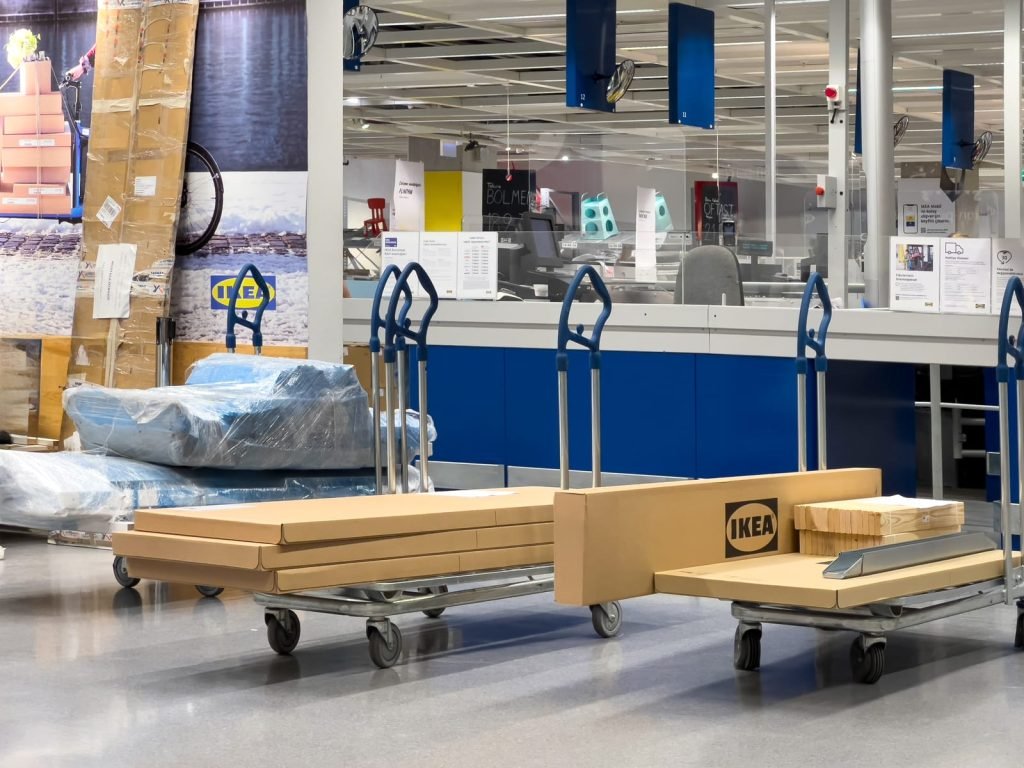
Yes. it’s annoying to put together, but IKEA brings Scandinavia to the world
IKEA’s ascent in the design world is nothing short of remarkable. Founded in Sweden in 1943 by Ingvar Kamprad, the company revolutionized how people think about furniture by making stylish design accessible to the masses. With its flat-pack concept and self-assembly model, IKEA not only reduced costs but also made it easier for consumers to transport and set up their furniture.
This innovative approach resonated with a generation eager for affordable solutions that didn’t compromise on style. As a result, IKEA quickly became synonymous with modern living, transforming homes across the globe. The impact of IKEA extends beyond its product offerings; it has also influenced design trends and consumer expectations.
The brand’s commitment to functionality and simplicity has set a standard that many other companies strive to emulate. Moreover, IKEA has democratized design by showcasing collaborations with renowned designers alongside its own in-house creations. This blending of high and low design has encouraged consumers to think differently about their living spaces, inspiring them to curate environments that reflect their personal style without breaking the bank.
In many ways, IKEA has become a cultural phenomenon, shaping not only how we furnish our homes but also how we perceive design itself.
The Philosophy of Danish Design
At its core, Danish design is rooted in a philosophy that prioritizes functionality while celebrating aesthetics. This approach stems from a belief that good design should enhance everyday life rather than complicate it. Danish designers often emphasize user experience, ensuring that their creations are not only visually appealing but also practical and comfortable.
This philosophy is evident in iconic pieces like Hans Wegner’s chairs, which are designed to be both beautiful and ergonomic, inviting people to sit and enjoy their surroundings. Another key aspect of Danish design philosophy is its commitment to craftsmanship. Many designers take pride in their artisanal roots, valuing traditional techniques while embracing modern innovations.
This blend of old and new allows for a unique expression of creativity that resonates with consumers seeking authenticity in their purchases. Furthermore, this dedication to quality often results in timeless pieces that can be cherished for generations, reinforcing the idea that good design is an investment rather than a fleeting trend.
The Global Appeal of IKEA’s Affordable and Functional Furniture
IKEA’s global appeal lies in its ability to offer affordable furniture solutions without sacrificing style or functionality. In an increasingly consumer-driven world, where fast fashion often reigns supreme, IKEA stands out by providing products that are designed to last while remaining accessible to a wide audience. This affordability has made it possible for individuals from various backgrounds to furnish their homes with pieces that reflect contemporary design sensibilities.
Moreover, IKEA’s emphasis on functionality resonates with modern lifestyles that prioritize flexibility and adaptability. Many of its products are designed with small spaces in mind, catering to urban dwellers who need smart storage solutions without compromising on aesthetics. The brand’s innovative designs often feature multi-functional elements—think coffee tables that convert into dining tables or sofas that transform into beds—making it easier for consumers to maximize their living spaces.
This focus on practicality has solidified IKEA’s position as a go-to source for those seeking stylish yet functional furniture.
The Role of Minimalism in Danish Design
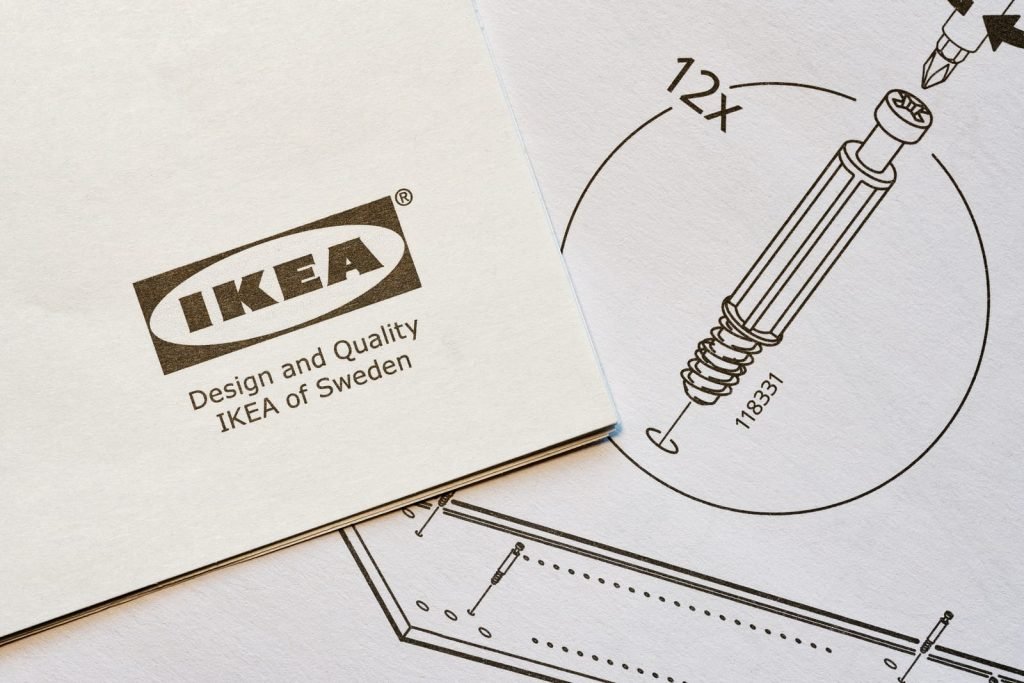
You will have a leftover part
Minimalism plays a pivotal role in Danish design, reflecting a broader cultural ethos that values simplicity and clarity over excess. This approach encourages designers to strip away unnecessary embellishments, focusing instead on clean lines and essential forms. The result is furniture and objects that feel timeless and elegant while remaining highly functional.
Minimalism in Danish design is not merely an aesthetic choice; it embodies a lifestyle philosophy that promotes mindfulness and intentionality in our surroundings. The minimalist approach also aligns with the Scandinavian concept of “lagom,” which translates to “just the right amount.” This principle encourages balance and moderation in all aspects of life, including design. By embracing minimalism, Danish designers create spaces that foster calmness and clarity, allowing individuals to connect more deeply with their environments.
As people increasingly seek refuge from the chaos of modern life, this minimalist ethos resonates strongly, making Danish design more relevant than ever.
The Sustainability and Eco-Friendly Practices of Danish Design
Sustainability is at the forefront of contemporary Danish design practices, reflecting a growing awareness of environmental issues and a commitment to responsible consumption. Many Danish designers prioritize eco-friendly materials and production methods, seeking to minimize their impact on the planet while creating beautiful products. This dedication to sustainability is not merely a trend; it is woven into the very fabric of Danish design philosophy.
The use of renewable materials like sustainably sourced wood and organic textiles is common among Danish designers who aim to create products that are both aesthetically pleasing and environmentally responsible. Additionally, many companies are adopting circular economy principles, designing products with longevity in mind and encouraging recycling or upcycling at the end of their life cycle. This forward-thinking approach not only benefits the environment but also appeals to consumers who are increasingly conscious of their purchasing decisions.
As sustainability becomes an integral part of the design conversation, Danish designers are leading the way in creating solutions that harmonize beauty with ecological responsibility.
The Future of Danish Design and its Influence on the Design Industry
Looking ahead, the future of Danish design appears bright, with or without IKEA, as it continues to evolve while staying true to its core principles. With an increasing emphasis on sustainability and innovation, Danish designers are poised to influence not only furniture but also broader aspects of architecture and urban planning. As cities grapple with issues like climate change and population density, the principles of Danish design—functionality, simplicity, and connection to nature—will play a crucial role in shaping livable spaces for future generations.
Moreover, as global interest in Scandinavian aesthetics grows, we can expect Danish design to inspire new movements across various creative fields. The blend of minimalism with eco-conscious practices will likely resonate with younger generations who prioritize authenticity and sustainability in their choices. As technology continues to advance, we may also see exciting collaborations between traditional craftsmanship and modern manufacturing techniques, resulting in innovative designs that push boundaries while honoring heritage.
In this ever-changing landscape, Danish design remains a beacon of creativity and thoughtfulness—an enduring influence on the global design industry for years to come.







 English