
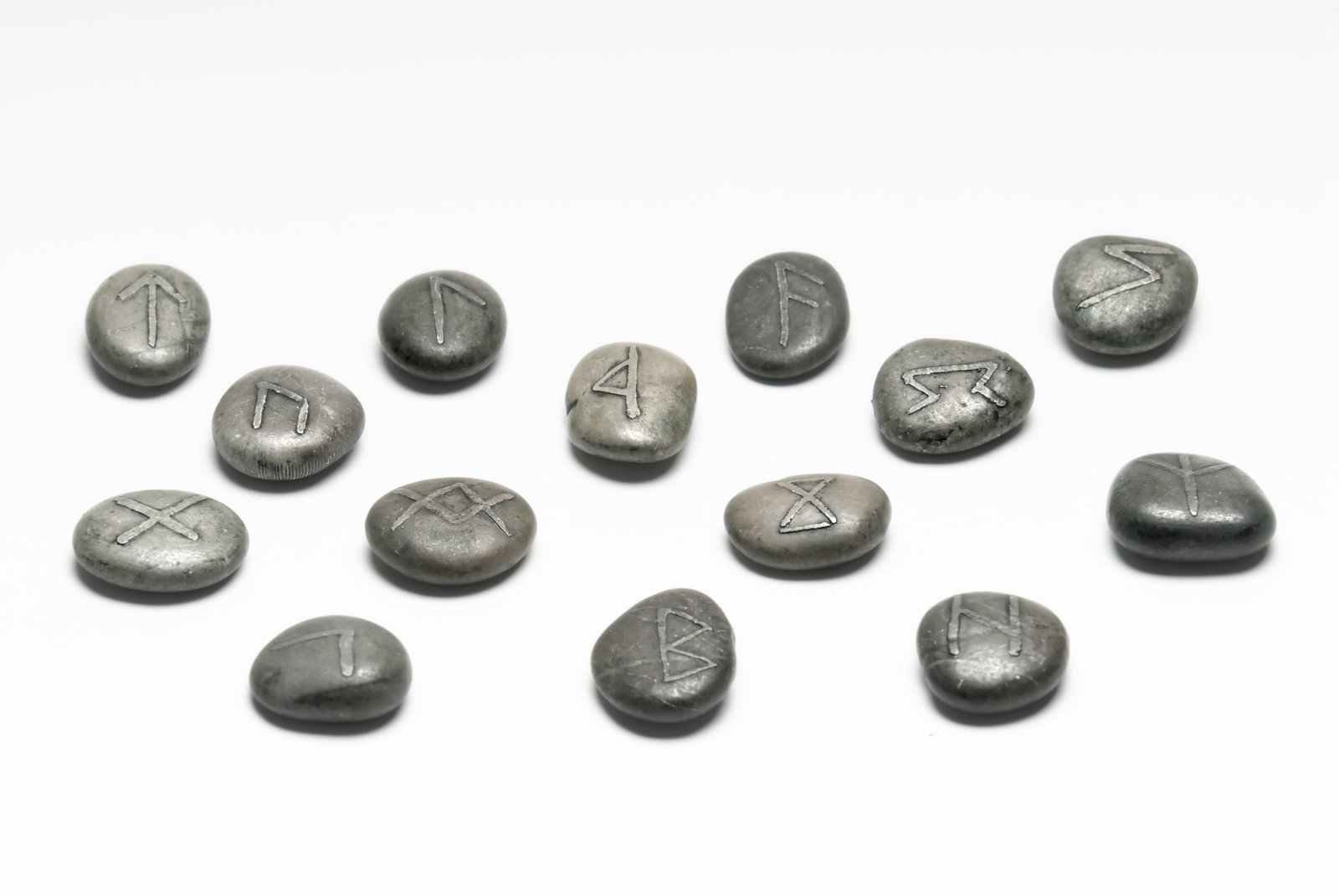
Runestones are fascinating artifacts that offer a glimpse into the world of the Vikings, a people often romanticized for their seafaring exploits and fierce warrior culture. These stones, inscribed with runes, served as a medium of communication that transcended mere words. They were not just markers of territory or memorials for the deceased; they were a means of storytelling, a way to convey messages across generations.
The runes themselves, an ancient alphabet derived from Germanic languages, were more than symbols; they were imbued with meaning and significance, reflecting the values and beliefs of the Viking Age. The Vikings, who roamed from Scandinavia to the shores of North America, had a rich oral tradition. However, the advent of runestones marked a shift in how they communicated their stories and preserved their history.
These stones became a bridge between the spoken word and written language, allowing for a more permanent record of their lives, achievements, and even their grievances. As we explore the world of runestones, we uncover not only the intricacies of Viking communication but also the cultural tapestry that these stones represent.
The Purpose and Function of Runestones in Viking Society
Runestones served multiple purposes in Viking society, acting as memorials, territorial markers, and even as tools for political propaganda. Many were erected in memory of fallen warriors, celebrating their bravery and ensuring that their names would echo through time. These stones often bore inscriptions that recounted the deeds of the deceased, providing a sense of immortality to those who had passed.
In a culture that valued honor and legacy, these memorials were crucial in preserving the memory of individuals who had made significant contributions to their communities. Beyond memorialization, runestones also played a role in asserting power and ownership. They marked boundaries between territories, serving as a declaration of control over land and resources.
In this way, they functioned as both a physical and symbolic representation of authority. The inscriptions on these stones could convey messages about alliances or conflicts, making them an essential tool for communication in a society where oral traditions were often fleeting. The multifaceted nature of runestones highlights their importance in Viking life, serving as both personal tributes and public declarations.
The Symbols and Inscriptions on Runestones
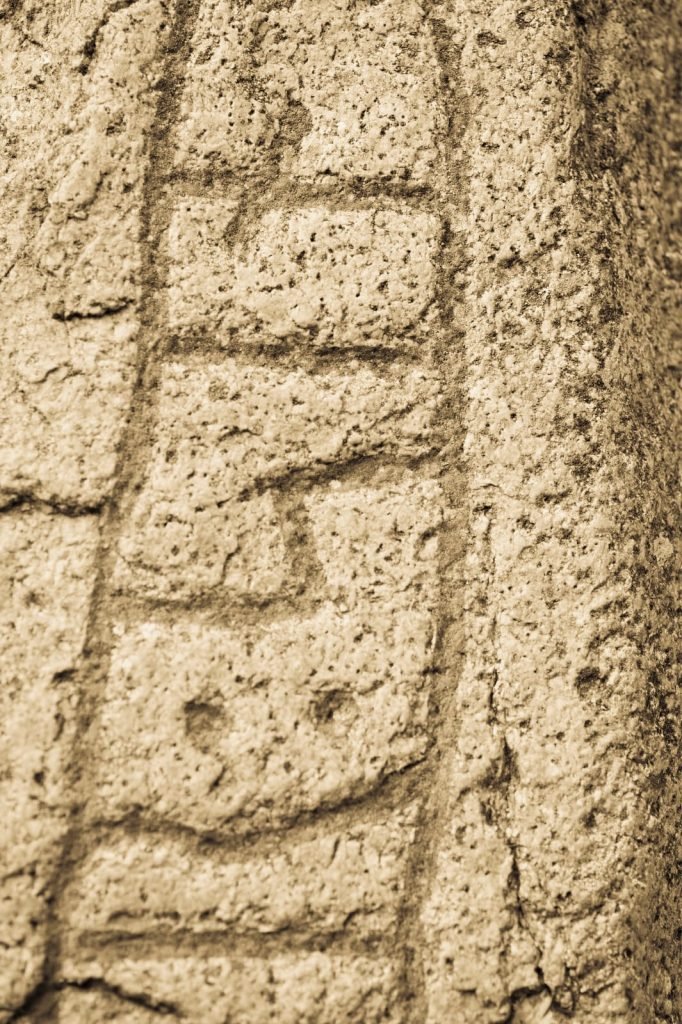
Close-up of ancient rune stone, Vadstena, Sweden
The inscriptions on runestones are a treasure trove of information about Viking life, beliefs, and language. The runes themselves are an ancient script that evolved over time, with each character representing a sound rather than a specific word. This phonetic nature allowed for flexibility in communication, enabling the Vikings to inscribe everything from simple names to complex narratives.
The artistry involved in carving these runes into stone is also noteworthy; it required skill and precision, reflecting the value placed on craftsmanship in Viking culture. Many runestones feature not only inscriptions but also intricate carvings and symbols that add layers of meaning to the text. These designs often included images of animals, mythical creatures, or geometric patterns that held significance within Norse mythology.
For instance, dragons and serpents might symbolize strength or protection, while other motifs could represent fertility or prosperity. The combination of text and imagery created a rich tapestry of meaning that conveyed messages far beyond the written word alone. Each stone tells a story, inviting us to interpret its significance through the lens of Viking culture.
The Spread of Information through Runestones
Runestones were not confined to a single location; they were part of a broader network that facilitated the spread of information across vast distances. As Vikings traveled for trade, exploration, or conquest, they carried their traditions with them, including the practice of erecting runestones. This mobility allowed for the exchange of ideas and stories between different regions, creating a shared cultural heritage that transcended geographical boundaries.
The placement of runestones along trade routes or near significant landmarks ensured that they reached a wide audience. Travelers would encounter these stones during their journeys, absorbing the messages inscribed upon them. In this way, runestones acted as both markers of history and beacons of communication.
They provided travelers with insights into local customs, notable events, or even warnings about potential dangers ahead. The interconnectedness fostered by these stones illustrates how the Vikings utilized their written language to create a cohesive narrative that spanned their expansive world.
Runestones as a Form of Personal and Public Expression
Runestones served as powerful tools for both personal expression and public declaration within Viking society. On a personal level, individuals could commemorate their loved ones or celebrate their own achievements through inscriptions. These stones became vessels for emotions—grief for those lost, pride in accomplishments, or even expressions of love.
The act of erecting a runestone was often a deeply personal endeavor, reflecting the values and sentiments of the individual or family involved. Publicly, runestones could convey messages about social status or political power. Leaders might commission stones to assert their authority or commemorate significant events in their reigns.
These public declarations were not merely for show; they played a crucial role in shaping community identity and reinforcing social hierarchies. By inscribing their names alongside those of notable ancestors or allies, individuals could elevate their status within society. In this way, runestones became instruments of both personal legacy and collective memory.
The Legacy of Runestones in Modern Society
A type of social media
The legacy of runestones extends far beyond their original context; they continue to captivate our imagination today. As we unearth these ancient artifacts, we gain insights into the lives and beliefs of the Vikings—an enigmatic culture that has left an indelible mark on history. Modern scholars and enthusiasts alike study runestones to better understand not only the language but also the social dynamics and cultural practices of the Viking Age.
In contemporary society, runestones have inspired art, literature, and even popular media. Their mystique has led to a resurgence of interest in Norse mythology and Viking history, prompting people to explore their roots or engage with this fascinating period through various forms of expression. Museums around the world showcase these stones as part of exhibitions dedicated to Viking heritage, allowing visitors to connect with the past in meaningful ways.
The enduring fascination with runestones speaks to our innate desire to understand our history and find connections between our lives today and those who came before us.
The Role of Runestones in Preserving Viking History and Culture
Runestones play an essential role in preserving Viking history and culture by serving as tangible links to the past. They provide invaluable information about language development, social structures, and cultural practices during the Viking Age. As historians and archaeologists study these stones, they piece together narratives that might otherwise have been lost to time.
Each inscription offers clues about daily life, religious beliefs, and even trade relationships among different communities. Moreover, runestones contribute to our understanding of how Vikings viewed themselves and their place in the world. The messages inscribed on these stones reflect not only individual identities but also collective values and aspirations.
By examining the themes present in runestone inscriptions—such as honor, bravery, family ties—we gain insight into what mattered most to these people. In this way, runestones serve as cultural artifacts that encapsulate the essence of Viking life while preserving their legacy for future generations.
The Significance of Runestones in Understanding Viking Social Structure and Communication
Runestones offer a unique lens through which we can examine Viking social structure and communication practices. The inscriptions reveal hierarchies within society—who was honored through memorials, who held power over land and resources, and how relationships were forged between individuals and families. By analyzing these patterns, we can better understand how social dynamics operated within Viking communities.
Additionally, runestones highlight the importance of communication in maintaining social cohesion among disparate groups. The act of inscribing messages on stone was not merely an individual endeavor; it was part of a larger dialogue within society. These stones facilitated connections between people across distances and generations, reinforcing shared values and collective memory.



 English