
Like the poster? https://nordicforbeginners.shop/products/classic-semi-glossy-paper-poster?variant=45557829632199
Got to have the mug? https://nordicforbeginners.shop/products/white-11oz-ceramic-mug-1?variant=45557830025415
Long before the United States became a household name, European powers were casting their eyes across the Atlantic, eager to stake their claims on the vast, uncharted territories. The late 15th and early 16th centuries marked a turning point in history as explorers (or invaders) like Christopher Columbus and John Cabot set sail, driven by dreams of wealth and glory.
Their voyages opened the floodgates for subsequent expeditions, leading to a frenzy of exploration that would forever alter the continent’s landscape. As explorers ventured further into the heart of North America, they encountered ecosystems and indigenous cultures that had thrived for millennia. The lush forests, sprawling rivers, and fertile plains were not only breathtaking but also teeming with resources.
The Spanish, French, and English were among the first to establish footholds, each vying for control over trade routes and land. The quest for gold and spices was soon overshadowed by the realization that the New World offered much more than riches; it was a land ripe for settlement and agricultural development. This burgeoning interest set the stage for a complex interplay of cultures, conflicts, and alliances that would shape the future of North America.
Sweden’s Ambitions for Overseas Expansion
In the 17th century, Sweden emerged as a formidable player on the European stage, fueled by a desire to expand its influence beyond its borders. The Thirty Years’ War had left many European nations in disarray, but Sweden saw an opportunity to capitalize on the chaos. With a growing population and a burgeoning economy, Swedish leaders envisioned overseas colonies as a means to secure resources and establish trade networks.
The allure of the New World was irresistible, and plans were set in motion to carve out a piece of North America. Sweden’s ambitions were not merely about land acquisition; they were also driven by a desire to spread Protestantism and establish a foothold in the lucrative fur trade. The Swedish crown recognized that establishing colonies would not only enhance its economic standing but also bolster its political power in Europe.
As other nations scrambled to stake their claims, Sweden sought to differentiate itself by promoting peaceful relations with indigenous peoples and fostering trade partnerships. This approach would later play a crucial role in the establishment of New Sweden, as it laid the groundwork for interactions with Native American tribes.
The Establishment of New Sweden

Yes, it’s small, and it was once Swedish as well
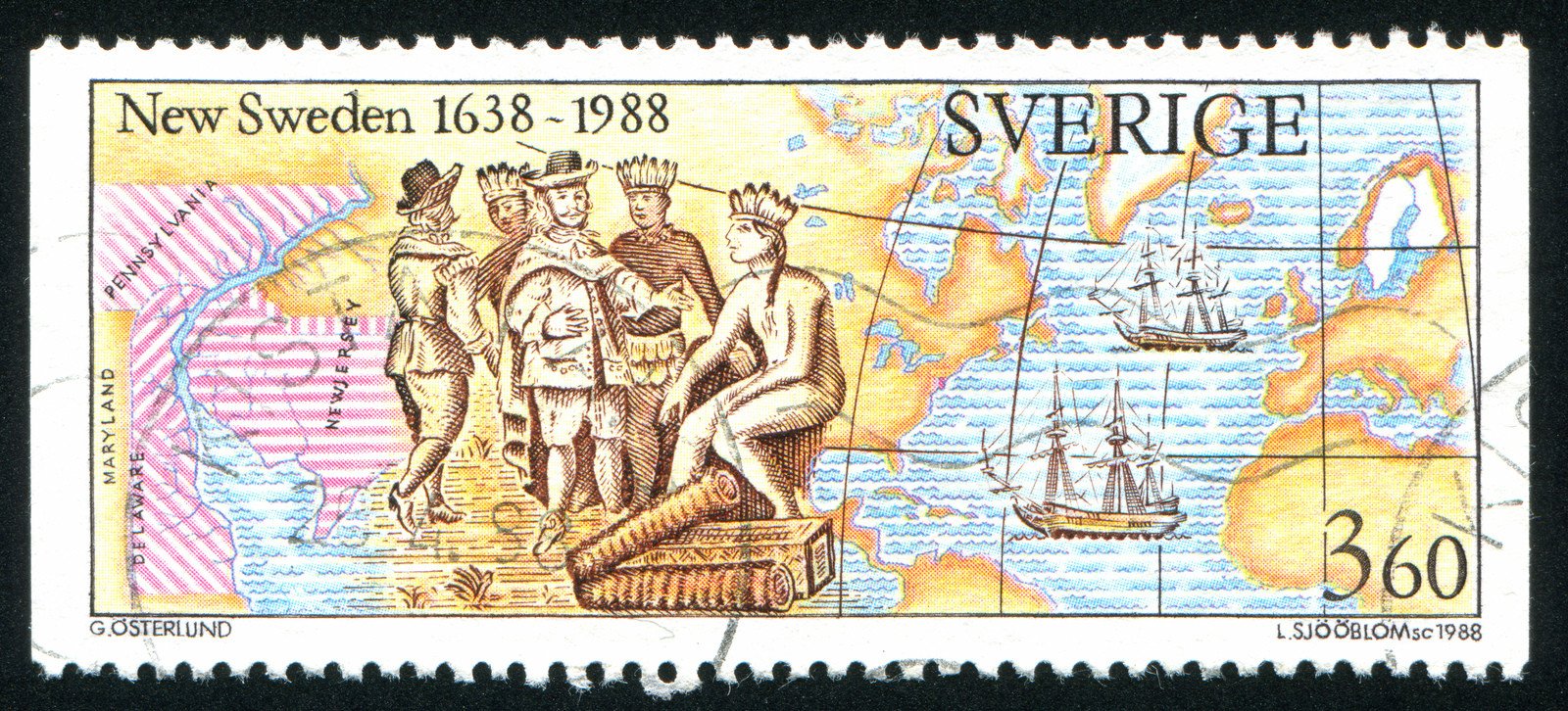
In 1638, the Swedish dream of colonization materialized with the establishment of New Sweden along the Delaware River. Led by Peter Minuit, who famously purchased Manhattan from local tribes, the expedition aimed to create a thriving settlement that would serve as a hub for trade and agriculture. The choice of location was strategic; the Delaware River provided access to rich resources and served as a vital transportation route.
The settlers quickly set about building Fort Christina (now Wilmington) and other outposts, laying the foundation for what would become a vibrant colony. Life in New Sweden was characterized by a unique blend of cultures. Swedish settlers brought their customs, language, and agricultural practices, while also embracing elements from indigenous peoples.
The colony thrived on agriculture, with crops like tobacco and grains becoming staples. The fur trade flourished as well, with Swedish traders establishing relationships with local tribes. This period marked a time of relative peace and cooperation, allowing New Sweden to grow into a prosperous settlement that attracted more immigrants seeking new opportunities in the New World.
The Rivalry with the Dutch and English
However, the idyllic days of New Sweden were not destined to last. The colony found itself caught in a web of rivalries as both the Dutch and English sought to expand their own territories in North America. The Dutch had established New Netherland, which included parts of present-day New York and New Jersey, and they viewed New Sweden as an encroachment on their lucrative fur trade routes.
Tensions escalated as both sides vied for control over the Delaware River and its surrounding lands. The rivalry reached its peak in 1655 when Dutch forces launched an aggressive campaign against New Sweden. In a series of skirmishes known as the “Swedish-Dutch War,” the Dutch sought to assert their dominance in the region.
Despite their valiant efforts, the Swedish settlers were ultimately outmatched by the well-equipped Dutch military. The fall of Fort Christina marked a significant turning point in the struggle for control over North America, leading to the eventual absorption of New Sweden into Dutch territory.
The Economic and Strategic Importance of Delaware
Delaware’s significance during this period cannot be overstated. Its strategic location along the Atlantic coast made it an essential hub for trade and transportation. The Delaware River served as a vital artery for commerce, connecting inland settlements with European markets.
As various European powers vied for control over this lucrative region, Delaware became a focal point for economic activity.
The fur trade played a pivotal role in Delaware’s economy during this time. Swedish traders established strong relationships with local tribes, facilitating the exchange of goods and resources.
Beaver pelts became particularly valuable commodities, driving demand from Europe. This economic boom attracted settlers from various backgrounds, eager to capitalize on the opportunities presented by Delaware’s fertile lands and abundant resources. As tensions between European powers escalated, Delaware’s importance only grew, making it a coveted prize in the ongoing struggle for dominance in North America.
The Legacy of New Sweden in Delaware

Despite its relatively short existence, New Sweden left an indelible mark on Delaware’s cultural landscape. The influence of Swedish settlers can still be felt today in various aspects of life in Delaware. From place names like Wilmington (named after a British nobleman but influenced by Swedish settlers) to cultural traditions that celebrate Swedish heritage, remnants of this colonial past continue to shape the identity of the state.
Moreover, New Sweden’s legacy extends beyond mere cultural influences; it also laid the groundwork for future interactions between European settlers and indigenous peoples. The relatively peaceful coexistence between Swedes and Native Americans set a precedent for future relationships in the region. While conflicts would inevitably arise as more settlers arrived, the early interactions fostered by New Sweden demonstrated that measured co-existence was possible amidst competition for stolen land and resources.
The Impact of Swedish Colonization on Indigenous Peoples
The arrival of Swedish settlers had profound implications for indigenous peoples living in Delaware at the time. While some tribes initially welcomed the newcomers as potential trading partners, others viewed them with suspicion. The Swedes’ approach to colonization differed from that of other European powers; they often sought alliances rather than outright conquest.
This strategy allowed for some degree of mutual benefit in trade relationships. However, as more settlers arrived and land demands increased, tensions inevitably arose. Indigenous peoples faced displacement from their ancestral lands as settlers expanded their agricultural practices.
The introduction of European diseases also took a devastating toll on Native populations who had no immunity to these foreign illnesses. While Swedish colonization may have begun with promises of cooperation, it ultimately contributed to significant changes in indigenous ways of life and territorial claims.
The End of Swedish Rule in Delaware
The end of Swedish rule in Delaware came swiftly after the Dutch conquest in 1655. Following the fall of Fort Christina, New Sweden was absorbed into Dutch territory, marking a significant shift in power dynamics within North America. Although Swedish settlers remained in the region for some time after the takeover, their influence waned as Dutch governance took hold.
The transition from Swedish to Dutch rule signified not only a change in political authority but also an evolution in cultural identity within Delaware. While many aspects of Swedish heritage persisted among settlers, they gradually blended into the broader tapestry of colonial life under Dutch influence. Ultimately, this shift paved the way for English control later on, further transforming Delaware’s landscape and cultural fabric.
In retrospect, New Sweden’s brief existence serves as a fascinating chapter in North American history—a tale of ambition, cooperation, conflict, and legacy that continues to resonate today. As we explore this period through modern lenses, we gain insight into how early colonization efforts shaped not only regional dynamics but also laid foundations for future interactions between diverse cultures on this continent.





 English