
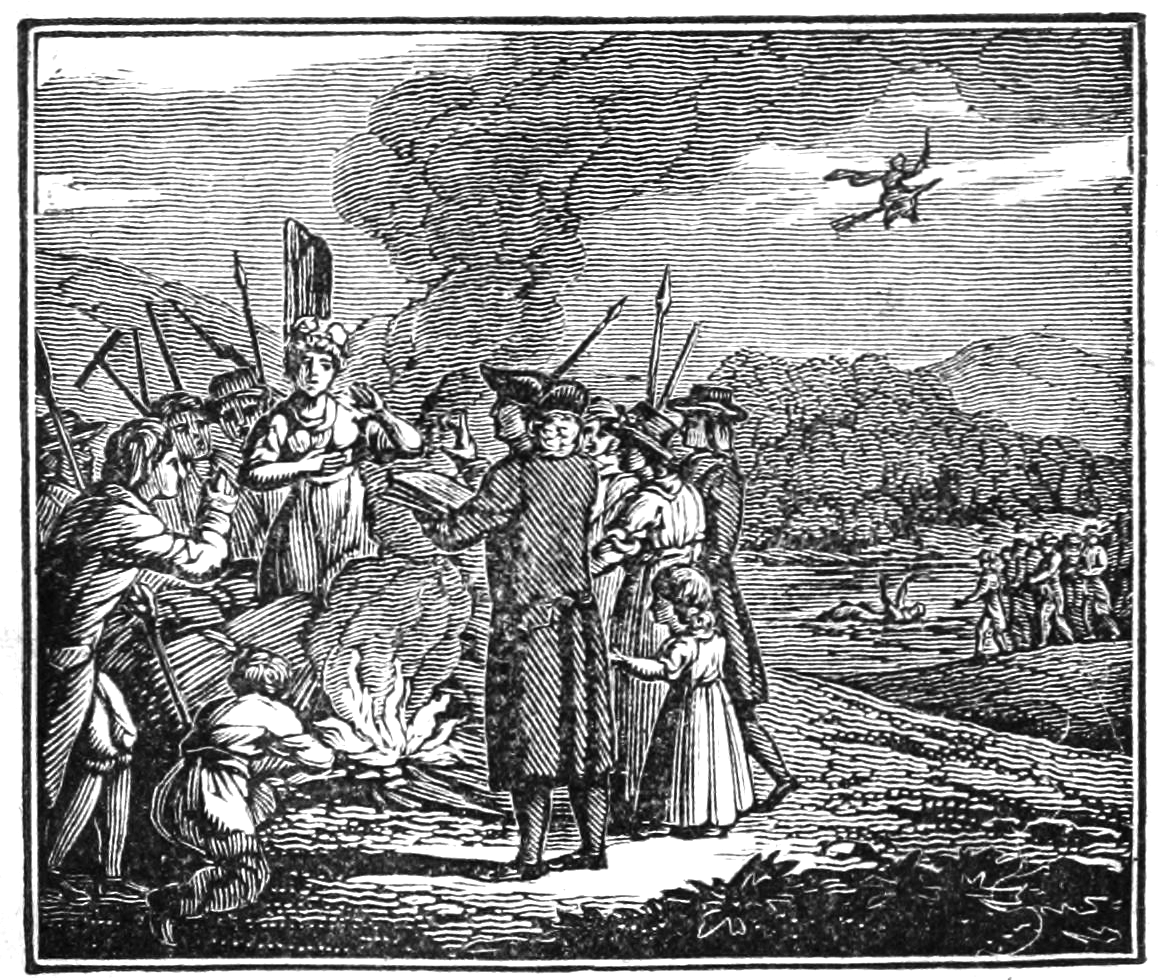
The Nordic witch trials emerged in the late 16th and early 17th centuries, a time when a frenzy of witch hunts engulfed Europe. The Protestant Reformation and the Catholic Counter-Reformation fueled religious tensions, leading to a heightened fear of the supernatural. In the Nordic countries, particularly in Denmark, Norway, and Sweden, this fear manifested in a series of trials that would claim countless lives.
The trials were not isolated events; they were part of a broader European phenomenon where societal anxieties about religion, gender, and power converged. In Scandinavia, the roots of these trials can be traced back to a mix of local folklore and imported ideas from continental Europe. The concept of witchcraft was not new; it had existed in various forms for centuries.
However, the late 1500s saw a shift in perception. Witchcraft began to be viewed as a direct threat to both the state and the church. This shift was exacerbated by the publication of influential texts like the “Malleus Maleficarum,” which provided a framework for identifying and prosecuting witches.
As fear spread, accusations became rampant, often targeting marginalized individuals, particularly women.
Accusations and Trials
Accusations of witchcraft in the Nordic countries often stemmed from personal grievances or community conflicts. A neighbor’s cow fell ill, and suddenly, the woman next door was suspected of casting a spell. These accusations were rarely based on concrete evidence; instead, they relied heavily on hearsay and superstition.
Once an individual was accused, the trial process began, often with little regard for fairness or justice. The accused were frequently subjected to public humiliation and isolation before any formal trial took place. The trials themselves were marked by a lack of legal protections for the accused.
In many cases, judges operated under the assumption that witches were guilty until proven innocent. This presumption led to a series of show trials where the outcome was predetermined. In Sweden, for example, the famous Torsåker witch trial of 1675 resulted in the execution of 71 people, including children.
The sheer scale of these trials highlights how deeply ingrained the fear of witchcraft had become in Nordic society.
Methods of Torture and Execution
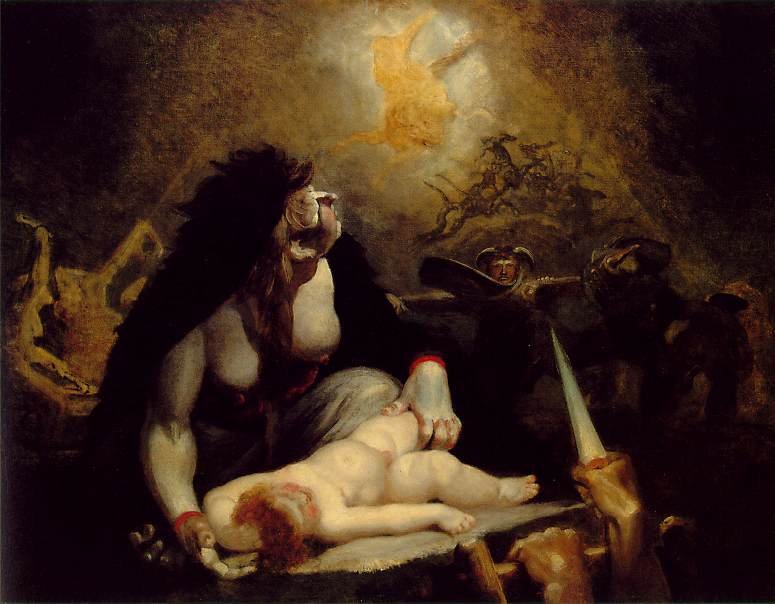
Witches from Lapland
The methods used during the Nordic witch trials were brutal and often horrific. Torture was a common practice employed to extract confessions from the accused. Techniques included sleep deprivation, physical beatings, and even drowning.
The infamous and now well-known “swimming test” involved tying a suspect’s hands and feet before throwing them into water; if they floated, they were deemed a witch, while sinking indicated innocence—though this often led to drowning. Executions were equally grim. Many accused witches faced death by burning at the stake or beheading.
In some cases, entire communities gathered to witness these events as a form of public spectacle. The gruesome nature of these executions served to reinforce societal fears about witchcraft while simultaneously providing a grim form of entertainment for onlookers. The sheer brutality of these methods reflects a society gripped by paranoia and a desperate need to root out perceived evil.
Role of Folklore and Superstition
Folklore played a significant role in shaping perceptions of witchcraft in the Nordic countries. Local legends often depicted witches as malevolent figures capable of causing harm through supernatural means. These stories were passed down through generations, creating a cultural narrative that painted witches as dangerous outsiders.
The belief in magic and the supernatural was deeply embedded in everyday life, making it easy for communities to accept accusations against those who deviated from societal norms. Superstition also fueled the witch hunts. Many people believed that witches could curse crops or livestock, leading to widespread fear among farmers and villagers.
This fear was often exacerbated by natural disasters or poor harvests, which were interpreted as signs of witchcraft at work. As communities struggled to make sense of their misfortunes, they turned to scapegoats—often women who lived on the fringes of society or who exhibited unconventional behavior.
Impact on Nordic Society
The impact of the Nordic witch trials extended far beyond the immediate loss of life. Entire communities were torn apart as accusations led to mistrust and paranoia among neighbors. Families were shattered as loved ones were taken away for trial or execution.
The social fabric of many towns was irrevocably altered as fear replaced camaraderie.
This atmosphere of suspicion created an environment where people were reluctant to speak out against wrongful accusations for fear of becoming targets themselves.
Moreover, the trials had lasting effects on gender dynamics within Nordic societies.
Women were disproportionately accused and executed, reinforcing patriarchal structures that viewed them as inherently more susceptible to evil influences. This trend contributed to a broader cultural narrative that marginalized women and their roles within society. The legacy of these trials can still be felt today, as discussions about gender equality continue to grapple with historical injustices.
Forgotten Victims and Stories
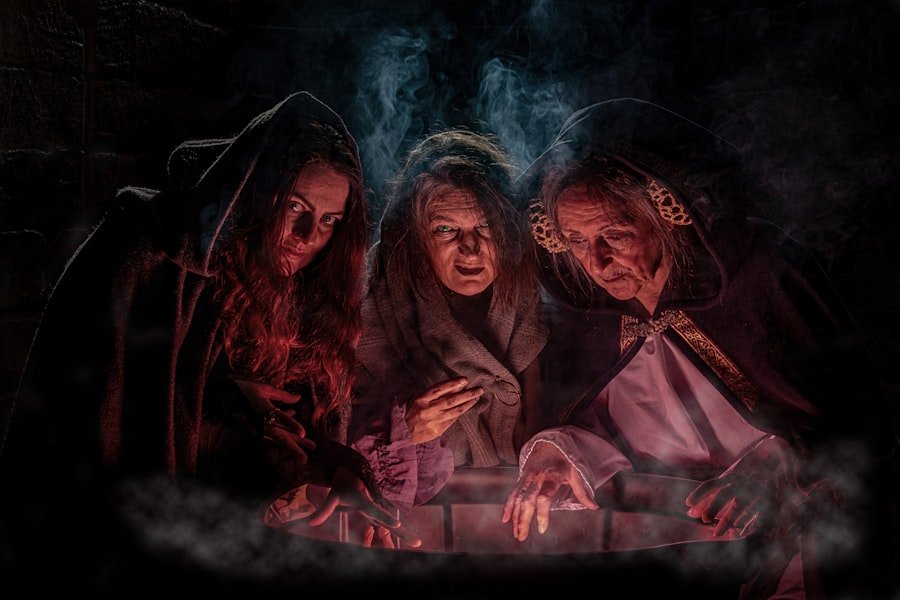
Witches, or hated neighbors?
While many stories from the Nordic witch trials have been documented, countless victims remain forgotten in history’s shadows. These individuals were often nameless faces swept up in a tide of hysteria, their lives reduced to mere statistics in trial records. Each victim had a story—a family, dreams, and aspirations—before they became casualties of fear-driven violence.
Some victims were young children caught in the crossfire of adult conflicts or women who defied societal norms by living independently or practicing herbal medicine. Their stories deserve recognition and remembrance. Efforts are being made today to uncover these forgotten narratives through research and community initiatives aimed at honoring their memory.
Legacy of the Nordic Witch Trials
The legacy of the Nordic witch trials is complex and multifaceted. On one hand, they serve as a cautionary tale about the dangers of mass hysteria and scapegoating. The trials remind us that fear can lead to irrational behavior and devastating consequences for innocent individuals.
On the other hand, they also highlight the resilience of communities that have worked to confront this dark chapter in their history. In recent years, there has been a resurgence of interest in these trials as scholars and activists seek to understand their implications for contemporary society. Discussions about justice, gender equality, and human rights are informed, even this late on the historical timeline, by lessons learned from this period.
The trials have become symbols of the need for vigilance against intolerance and discrimination in all its forms, a hallmark of the modern Nordic states.


 English