
Spielmann, M. H., and G. S. Layard , Kate Greenaway, 1905: “The Elf Ring. From a large water-colour drawing in the possession of John Greenway, Esq.“
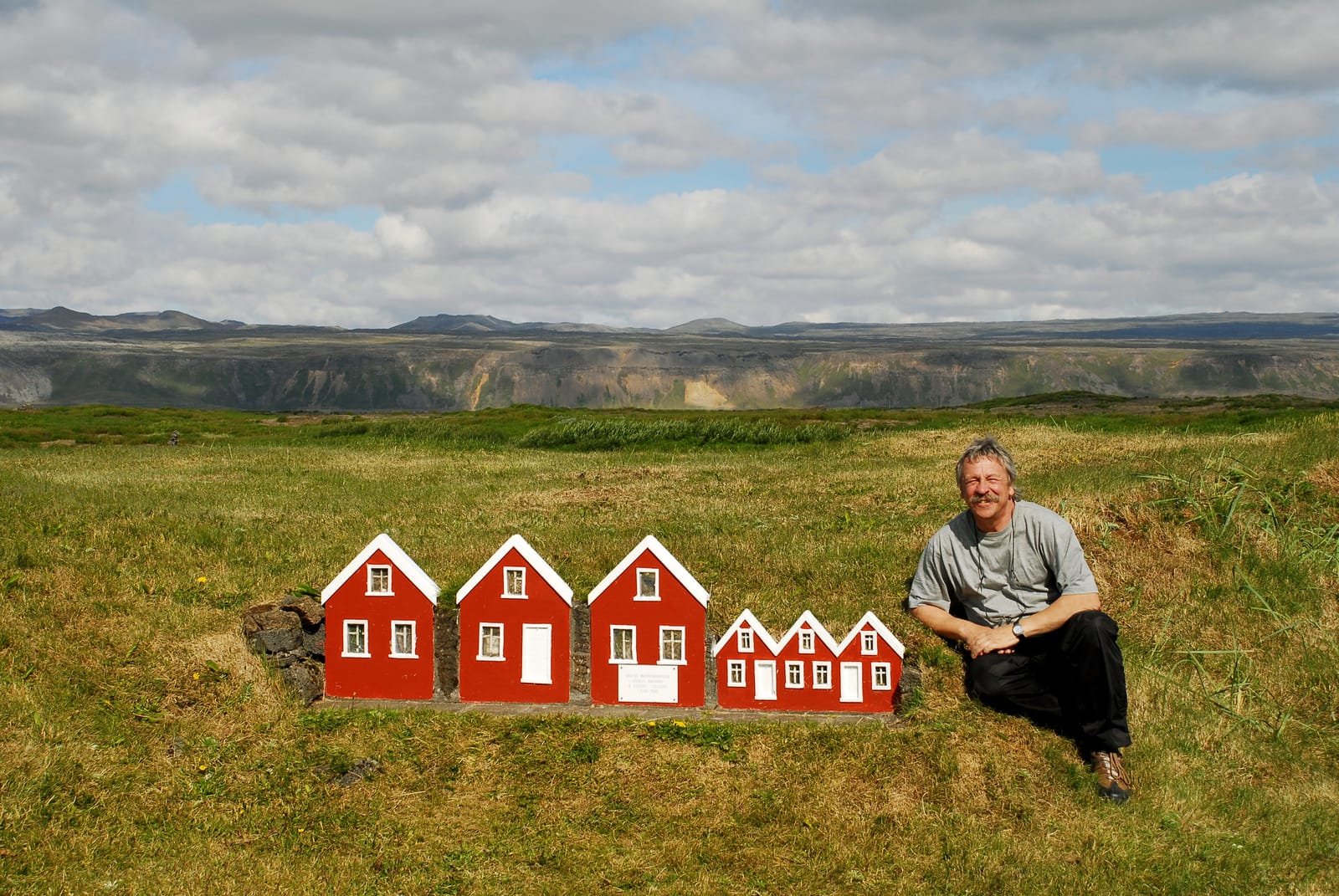
In most countries urban planners consult engineers, environmental experts and architects. In Iceland they sometimes consult elves — or at least take the possibility seriously. The concept of the Huldufólk, the “hidden people” of Icelandic folklore, has moved from myth into municipal decision-making. (Wikipedia)
The lore goes like this: these beings live in rocks, hills or lava fields. Disturb their home and you risk misfortune. A 2007 survey found roughly 62 % of Icelanders said it was at least possible the hidden people exist. (legacy.geog.ucsb.edu) One road project illustrates the phenomenon: plans for a highway from the peninsula of Álftanes to the suburb of Garðabær in 2013 were delayed after advocacy groups including environmentalists and elf-supporters intervened. They argued the project would destroy a lava field and an “elf-church” rock. (legacy.geog.ucsb.edu)
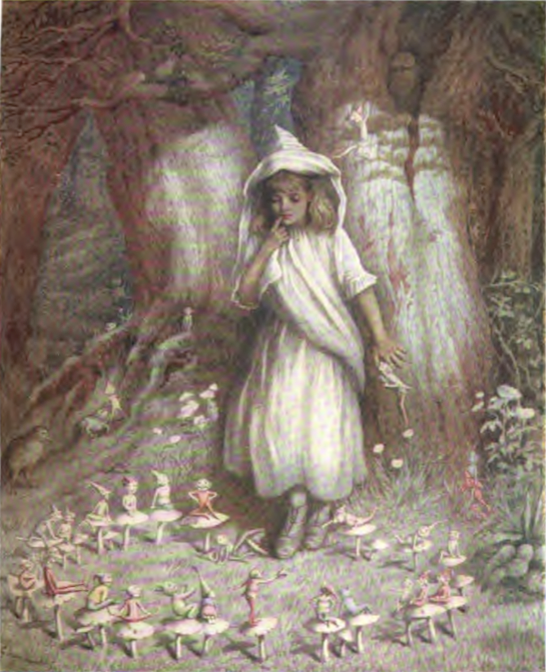
Spielmann, M. H., and G. S. Layard , Kate Greenaway, 1905: “The Elf Ring. From a large water-colour drawing in the possession of John Greenway, Esq.”
A spokesperson for the Icelandic Road and Coastal Administration explained, “We then look at it, not through believing in elves, but believing that elves or hidden people are part of our cultural heritage. We looked at this big rock formation … and decided that because we could move [the road], we would try to do that.” (Wikipedia)
Why does this matter? The volcanic terrain of Iceland is hazardous, the landscape unpredictable. As noted by folklorist Terry Gunnell, “In short, everyone is aware that the land is alive … and the need to work carefully with [hidden-people] reflects an understanding that the land demands respect.” (legacy.geog.ucsb.edu)
What’s fascinating is how myth becomes policy. A hill with a belief attached may cease to be a nuisance in planning terms; instead it becomes a site to preserve or perhaps to skirt. In one suburb of Reykjavík the heavy machinery broke down repeatedly when workers tried to move a rock believed to be home to hidden people. The road was rerouted. (Guide to Iceland)
This isn’t simply superstition. It’s practical land-use logic wrapped in folklore. The hidden people narrative encourages caution: leave the rock, change the line, avoid repeating geological damage. That the narrative is mythic doesn’t weaken it–it may even strengthen the case for respect.
When you read headlines about “elf interference” in modern infrastructure, remember: the story points to a real phenomenon. Landscape, belief and local culture converge into actual built outcomes. One commentator put it this way: “Whether you believe in them or not, the elves make us slow down and think before we destroy something ancient.” (The Guardian)
So next time you see a road sweeping around a harmless boulder, don’t assume laziness or whim-architecture. Maybe you’ve glimpsed the work of Iceland’s elf lobby: where myth meets asphalt, and folklore helps shape the terrain of modern infrastructure.

 English