
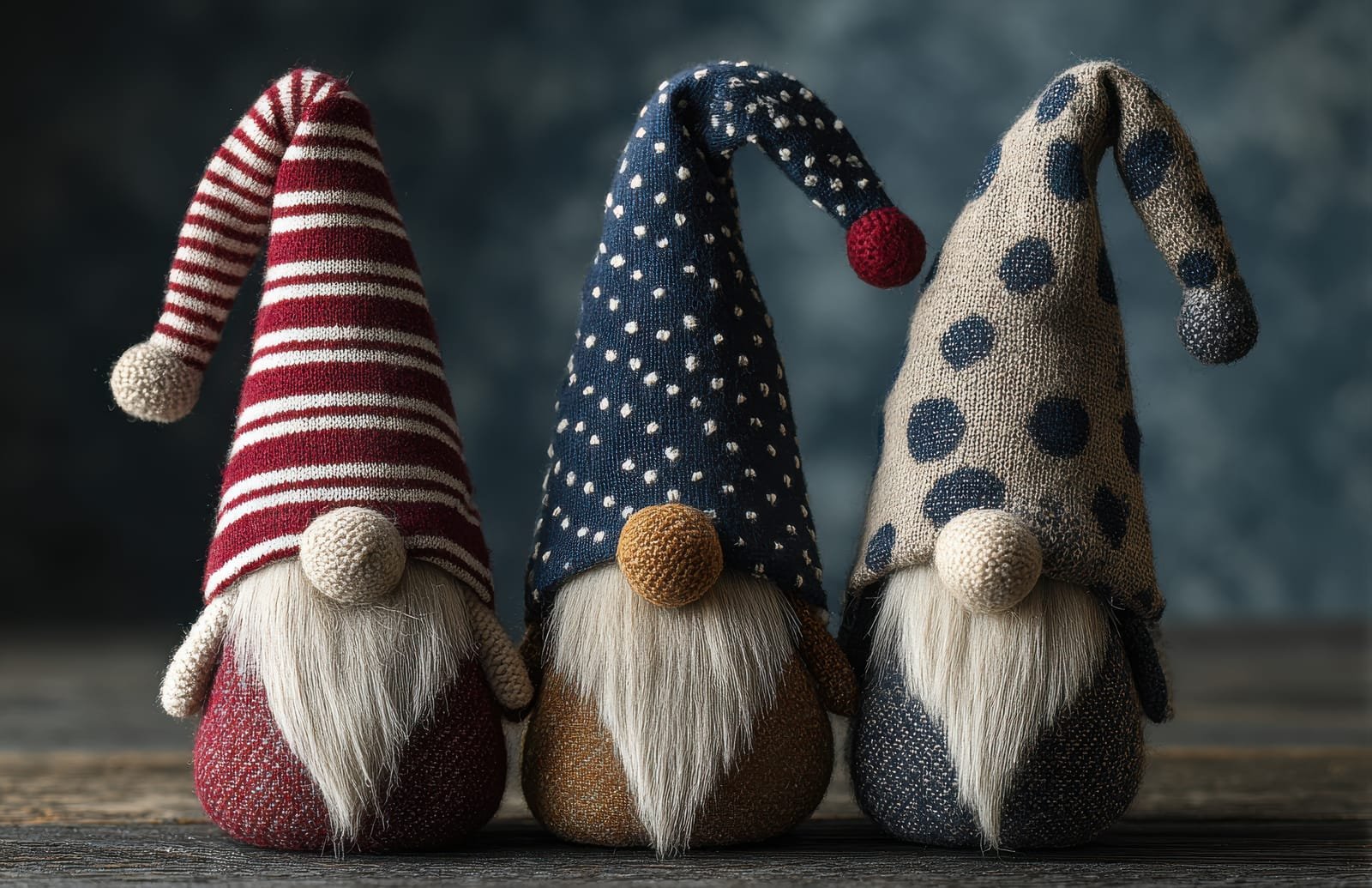
Joulupukki, Helsinki, 1930
Northern Europe shaped many of the winter figures people know today. Some began as farm spirits. Others grew from village rituals. Later they blended with the heavily-Americanized global Santa image. The result is a set of characters that look related but serve different roles in each country. These figures come from shared Scandinavian roots but evolved differently by country. Some begin as house or farm spirits. Others grew from folk ritual. Over time many merged with the global Santa Claus image. Their roles range from farm guardian to gift giver to mischief maker. Key historical traits and modern roles differ by place. (Wikipedia)
Norway — nisse, julenisse
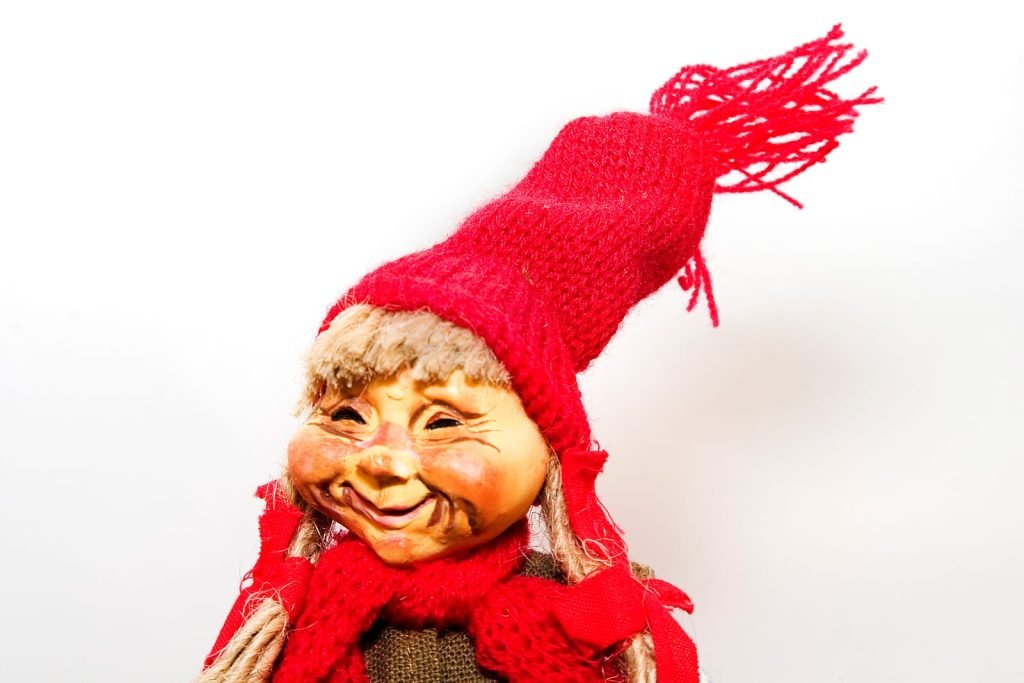
The nisse originally lived on farms. He watched over barns and animals. If treated well, he helped with chores and protected the household. If insulted he played tricks or caused harm. There are many different types of nisse. In modern Norway the nisse often appears as julenisse, some of them rather frightening, a small bearded figure who brings gifts on Christmas Eve. Families still leave porridge for him. (Wikipedia)
Sweden — tomte
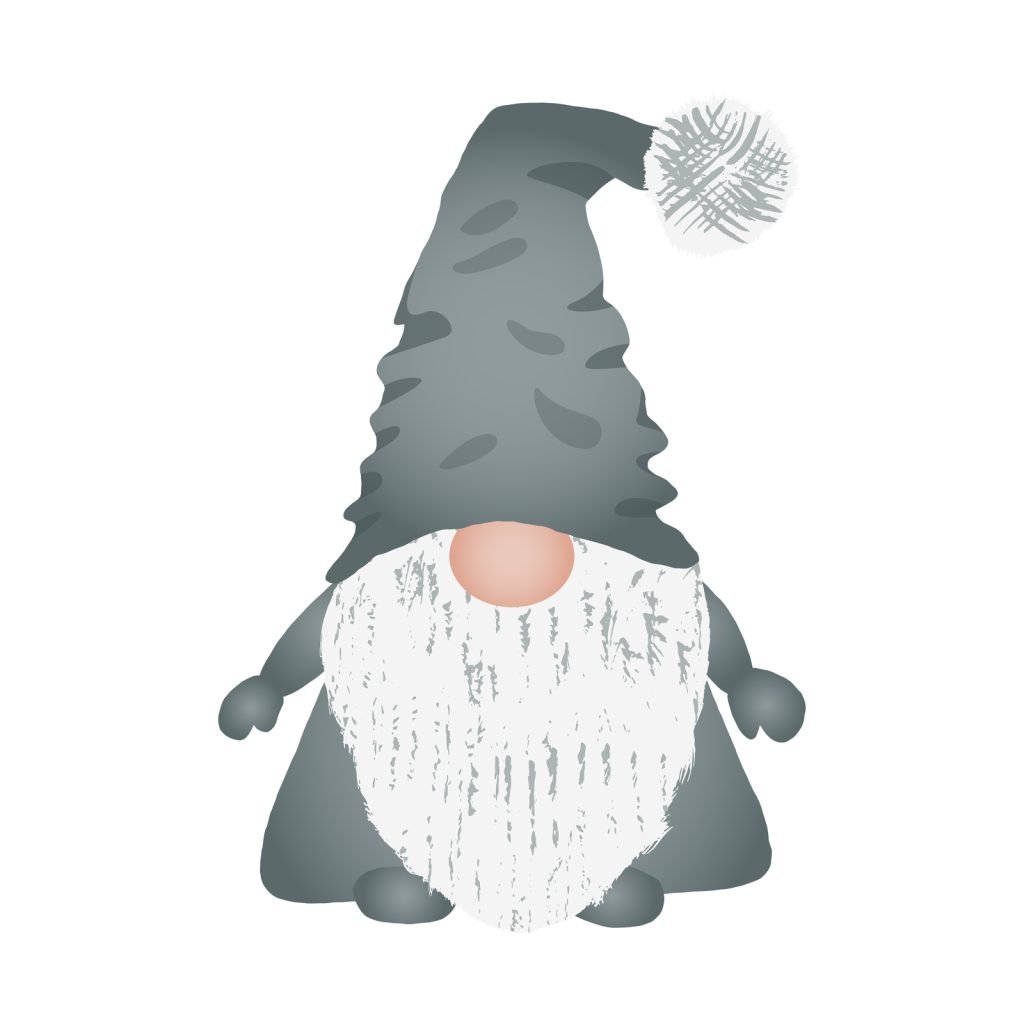
The Swedish tomte resembles the Norwegian nisse. He is a small, elderly man attached to a farmstead rather than to a family. He guards the property and rewards proper care. He can also be short tempered. The modern Swedish jultomte or jultomten often acts like Santa, delivering presents on Christmas Eve. (Wikipedia)
Denmark — nisse and julemand
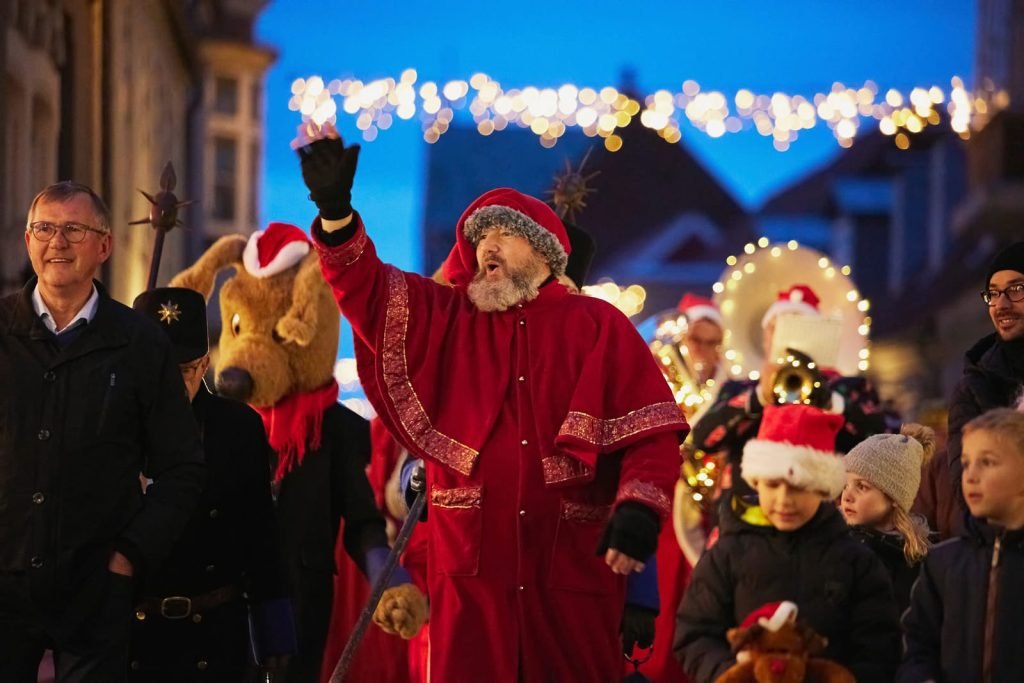
Danish tradition keeps the nisse as a festive household gnome. Households leave risengrød, a porridge, to placate him. Denmark also uses julemanden, the Christmas man, who fills the Santa role. The two figures coexist in Danish popular culture, one rooted in farm spirit tales, the other shaped by modern gift-giving customs. (Our House in Aarhus)
Finland — joulupukki
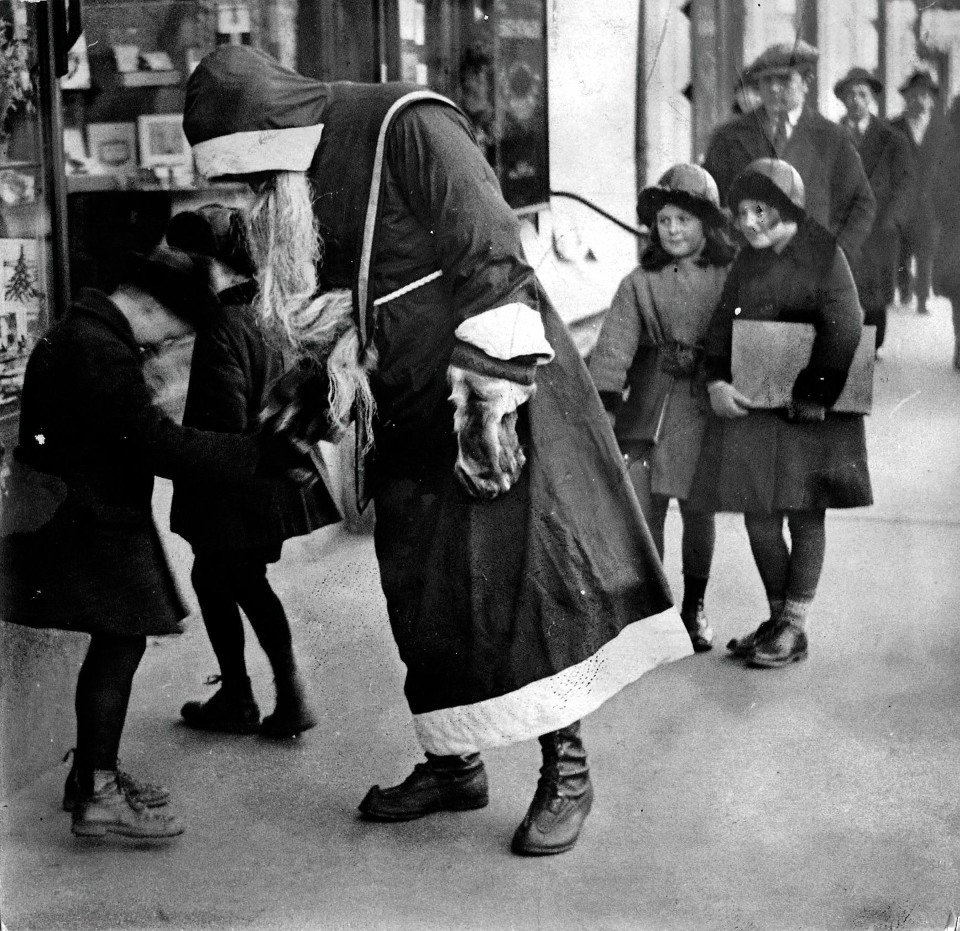
Joulupukki literally means “Christmas goat.” The figure blends older goat-like masquerade customs and the modern Santa image. Historically connected to the rude, costumed “julebukk” or nuuttipukki, he has become a friendly gift giver. While the image has slowly morphed into a more Americanized version, many Finns associate Joulupukki with Korvatunturi in Lapland, and the figure remains a strong national symbol. Finland also receives large volumes of Santa letters from abroad. (Wikipedia)
Iceland — the Yule Lads, Gryla and the Yule Cat
Watch the amazing giant cat legend Jólakötturinn https://dcmp.org/media/13442-monstrum-the-wicked-feline-murder-floof-a-yule-cat-story
Iceland kept a distinct set of characters. The Yule Lads are 13 named pranksters who come to town on the nights before Christmas. They leave small gifts in shoes or rotten potatoes for naughty children. Their mother, Gryla, and the Yule Cat Jólakötturinn (a giant cat that attacks people with old clothes) are more fearful figures from older sagas. The Yule Lads have become friendlier in modern retellings, but their mischief remains a cultural staple. (Wikipedia)
Greenland — mixed Nordic and Inuit traditions
Greenland combines Lutheran and Inuit practices. The general Christmas figure follows the familiar gift-giver role, but local customs, such as lighting the orange Christmas star and community events, shape the season. Greenlandic traditions emphasize communal rituals and extend celebrations through to Epiphany on January 6. (Visit Greenland)
Why They Differ and why they’re very similar
Differences come from local rural life, language, and ritual. Farm spirits reflected a peasant economy where animal health mattered. Masked villagers, like julebukkers and nuuttipukki, created raucous customs that later softened into gift-giving figures. The global Americanized Santa image then blended with these older layers, producing the modern mix you see across the Nordic countries. (Wikipedia)
How you might see them today
• In Norway and Sweden you will find tomte and nisse as decorative gnomes and as people in costume at markets.
• In Finland you will encounter Joulupukki in Lapland tourism and at Christmas events.
• In Iceland the Yule Lads feature in children’s books, postcards, and local festivals.
• In Denmark the julemand appears alongside traditional nisse décor and porridge rituals.
• In Greenland family and church traditions center the holiday, with visual symbols like the orange star. (no.wikipedia.org)
Quick reference chart (country | main figure(s) | role today | quick source)
Norway | nisse, julenisse | Farm guardian turned gift-bringer, seasonal decorations, porridge offering. | (Wikipedia)
Sweden | tomte, jultomte | Farm spirit, modern Santa-like visitor on Christmas Eve. | (Wikipedia)
Denmark | nisse, julemand | Household gnome with porridge, and a Santa-like julemand. | (Our House in Aarhus)
Finland | joulupukki | From goat-masquerade roots to national Santa, connected to Lapland. | (Wikipedia)
Iceland | Yule Lads, Gryla, Yule Cat | 13 mischievous lads who leave gifts or pranks; older fearsome figures persist. | (Wikipedia)
Greenland | local Santa customs | Community rituals, extended season through Epiphany, star lighting. | (Visit Greenland)
Sources and further reading
Primary background on nisse/tomte. (Wikipedia)
Joulupukki background and Korvatunturi link. (Wikipedia)
Icelandic Yule Lads and Gryla. (Wikipedia)
Denmark traditions and julemand. (VisitDenmark)
Greenland seasonal customs. (Visit Greenland)

 English