
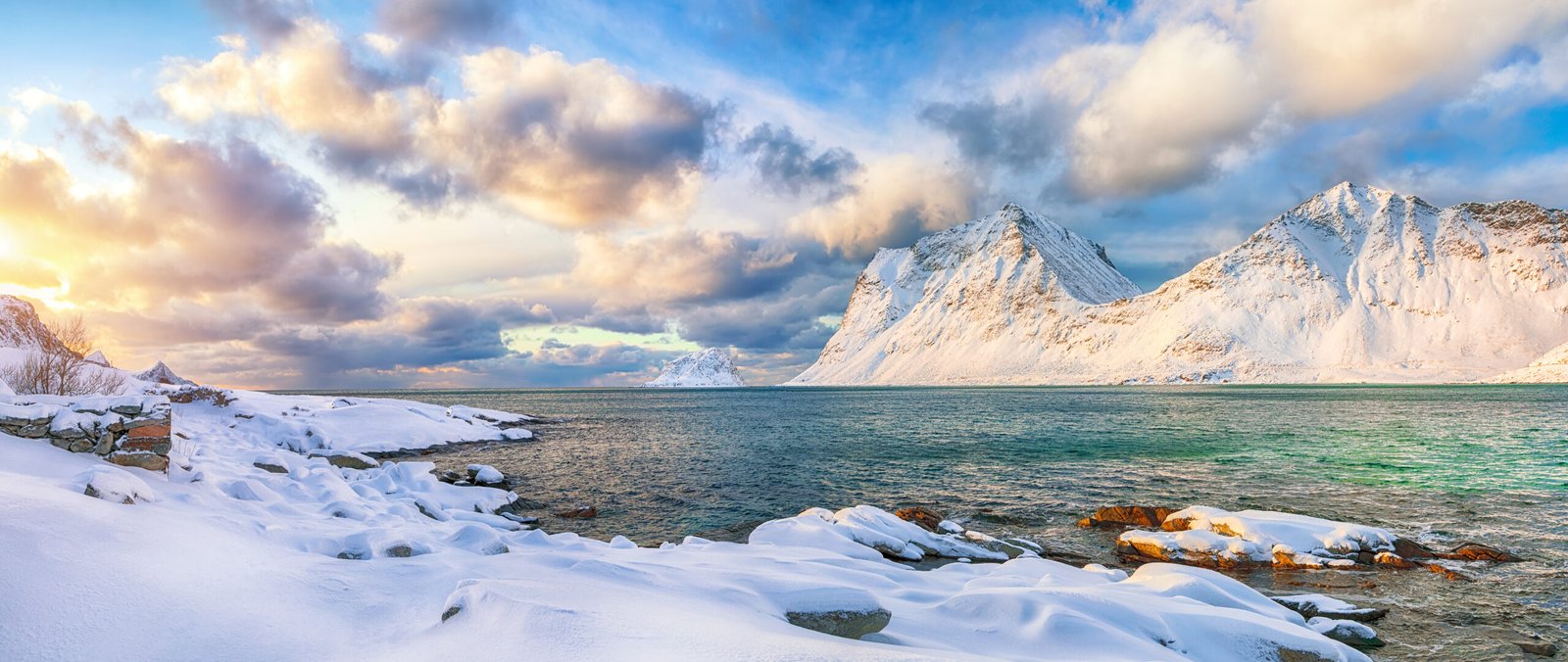
The Arctic is no longer an isolated fringe of ice and long winters. For the Nordic countries, Denmark (including Greenland and the Faroe Islands), Finland, Iceland, Norway, and Sweden, the Arctic is part of their story, their culture, and their global influence. It is where centuries of land and sea traditions meet intense modern realities like climate change, geopolitics, energy, and indigenous rights.
The Nordic relationship with the Arctic is historical, cultural, environmental, and geopolitical, and it matters now more than ever.
Long History of Nordic Engagement
The Nordic countries’ ties to the Arctic trace back centuries. Norway’s northern coasts and islands like Svalbard have been central to fishing, hunting, and trade since the 1700s and 1800s, with places like Tromsø emerging as Arctic hubs long before modern geopolitics. These ties shaped local languages, contact with Russia, and distinct northern cultures. Even simple trade in cod reshaped regional economies.
Modern Nordic cooperation in the Arctic institutionalizes this history. Since 1996 the Nordic Council of Ministers has coordinated Arctic cooperation programs that span environment, education, culture, and sustainable development. In 2026 these programs mark their 30th year of people-to-people and government collaboration across northern regions.
Shared Culture and Values in a Harsh Land
Across the Nordic North, shared values like mutual support, respect for nature, and care for local communities unite people. Indigenous peoples such as the Sámi in northern Scandinavia contribute to that living heritage with their own languages, reindeer herding, and seasonal rhythms deeply woven into northern life. Nordic cooperation emphasizes improving social conditions, indigenous education, and sustainable livelihoods in Arctic communities.
This cultural web blends national identity with survival in cold climates. Iceland’s ongoing political attention to its unique climate threats reflects a deep cultural adaptation to the environment. In 2026 Iceland declared the risk of the Atlantic Meridional Overturning Circulation’s collapse a national security risk, a stark reminder that northern life today is tied to global climate systems.
Why the Arctic Matters Today
Climate change, which seems to have slipped from the world’s agenda, is transforming the Arctic at roughly three times the global average rate. Melting ice, new species migrating north, and shifting weather patterns affect ecosystems, fishing, and traditional ways of life. These changes also carry economic and strategic implications that all Nordic countries must navigate.
The Nordic nations are also at the center of Arctic geopolitics. Greenland, part of the Kingdom of Denmark, has drawn global diplomatic interest. In early 2026 both Canada and France opened consulates in Nuuk, reaffirming Arctic partnerships and signaling deep strategic interest in the region.
Security concerns further tie Nordic states together. Denmark continues expanding military capabilities in Greenland as part of NATO cooperation, and tensions with Russia influence defense planning across the region. Norway, whose territory spans deep into the Arctic, remains vigilant against prospective espionage and hybrid attacks as great-power competition increases around northern territories.
Balancing History, Culture, and Future Challenges
For the Nordic countries the Arctic is not an abstract concept, but a lived reality. History lives in port cities and indigenous traditions. Climate change is no distant threat. It is felt in northern weather patterns and rising sea challenges. Strategic interests are alive in defense planning, new shipping routes, and diplomatic engagement.
Nordic cooperation reflects shared priorities: sustainable use of natural resources, social progress, scientific research, and peaceful multilateral engagement. In a world where competition for Arctic access is intensifying, the Nordic model of cooperation stands out as a reminder that shared history and culture can shape global strategy and future resilience.

 English