
A practical guide to rail travel in Norway, Denmark, Sweden and Finland
The Nordic countries (minus Iceland and Greenland, which have no trains) have a reputation for trains that run like clockwork through landscapes that look like screensavers. Part of that is earned. Part of it is fantasy. The reality, as with most things in Scandinavia, is more interesting than the marketing.
Here’s an honest country-by-country breakdown: the good, the frustrating, and the things nobody tells you until you’re standing on a platform in the wrong place.
Norway: Spectacular Routes, but Know the Limits
Norway’s train network is run by Vy (the rebranded NSB, Norway’s national rail company). It covers the south of the country well and has some of the most genuinely impressive scenic routes in the world. It also stops well short of the far north. It’s expensive, has an incredibly annoying “bus for tog” summer system where buses frequently replaces buses for trains, and one of the slowest in Europe.
The Bergen Line (Oslo–Bergen)
This is the one. Seven hours across the Hardangervidda plateau, Europe’s highest mountain plateau, connecting two of Norway’s most distinctive cities. Lonely Planet named it one of the world’s best train rides, and it holds up. You pass through Finse — the highest station in Norway at 1,222 metres — and in winter the landscape becomes almost surreal.
Book at vy.no and see the route on Google Maps.
The Flåm Railway (Flåmsbana)
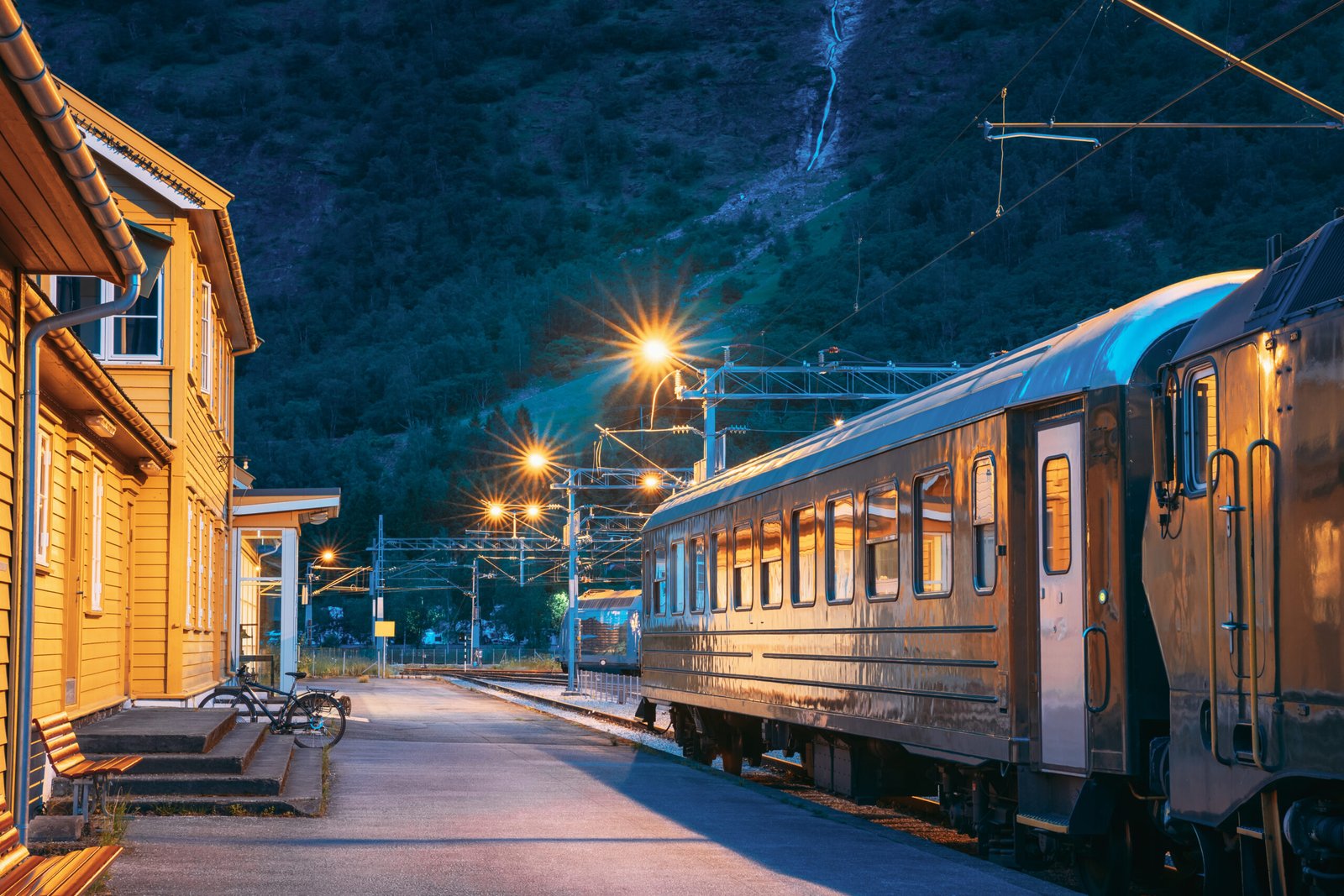
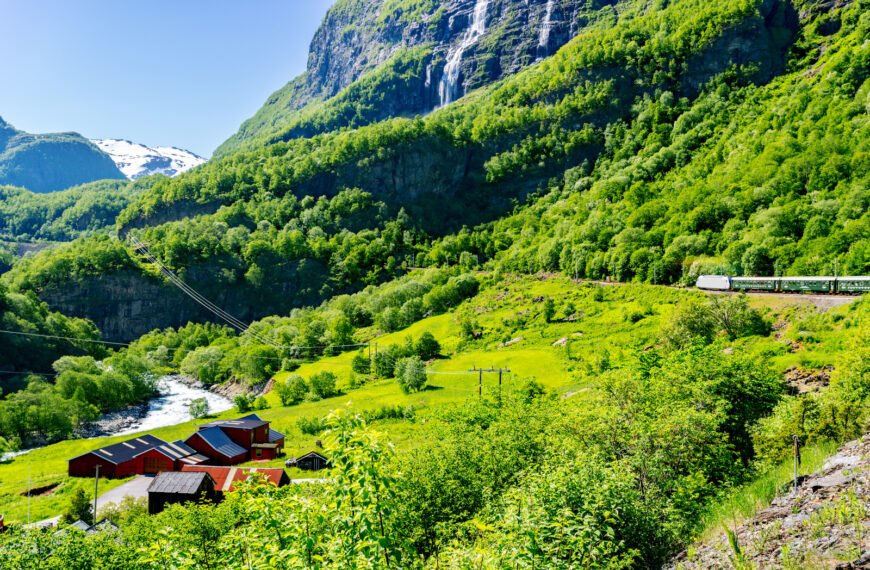
Branch off the Bergen Line at Myrdal and drop 866 metres in 20 kilometres. The Flåm Railway (vy.no) took 17 years to build — 18 of its 20 tunnels were drilled by hand — and the train pauses at Kjosfossen waterfall so passengers can step out. In summer, dancers from the Norwegian Ballet School perform beside the falls as the train stops. It sounds too much, but it works. One hour, runs daily all year.
Peak season (May–September) runs up to 10 departures a day. Winter drops to about four. Book well in advance in summer — it sells out. Eurail and Interrail pass holders get 30% off, but that discount can only be redeemed at a staffed station or by calling Vy directly, not online. (Source: Flåmsbana guide, Norwegian Routes)
The Rauma Line (Dombås–Åndalsnes)
Less famous, genuinely worth it. This branch off the Dovre Line takes you past Trollveggen — the tallest vertical rockface in Europe. Two hours, no crowds, no performance at the waterfall.
What Norway doesn’t have
The rail network ends at Bodø, well short of the Lofoten Islands and the far north. If you’re heading to Tromsø, there’s no train. There used to be a night train on the Trondheim–Bodø route; as of April 2025, it’s suspended due to rolling stock shortages. (Source: Finding Alexx, Scandinavia itinerary guide) For Lofoten, your options are the Hurtigruten coastal ferry, a flight, or a well-timed bus connection from Bodø.
Tickets and booking
Use Entur for the most seamless Norway-wide booking experience — it covers all operators without adding a surcharge. Vy’s own website works fine for Vy routes but charges a surcharge on sections operated by other companies. (Source: Visit Norway). The Vy app is a bewildering hodge podge of useless information. You will have to search to where to buy the actual ticket.
Norway doesn’t have first class. All seats are standard. Reservations are mandatory on most long-distance routes and cost around €3–7 on top of pass fares.
Sweden: The Best Network, With an Asterisk
Sweden has the most extensive rail network in the Nordic region, run primarily by SJ, the state rail company. The backbone routes — Stockholm to Gothenburg (3h), Stockholm to Malmö (4.5h) — are reliable and well-serviced, with comfortable trains, Wi-Fi, and power sockets throughout.
For border crossings, Stockholm to Oslo takes around six hours on direct SJ trains, and Copenhagen to Stockholm is about five hours once you cross the Öresund Bridge into Sweden.
The reliability problem
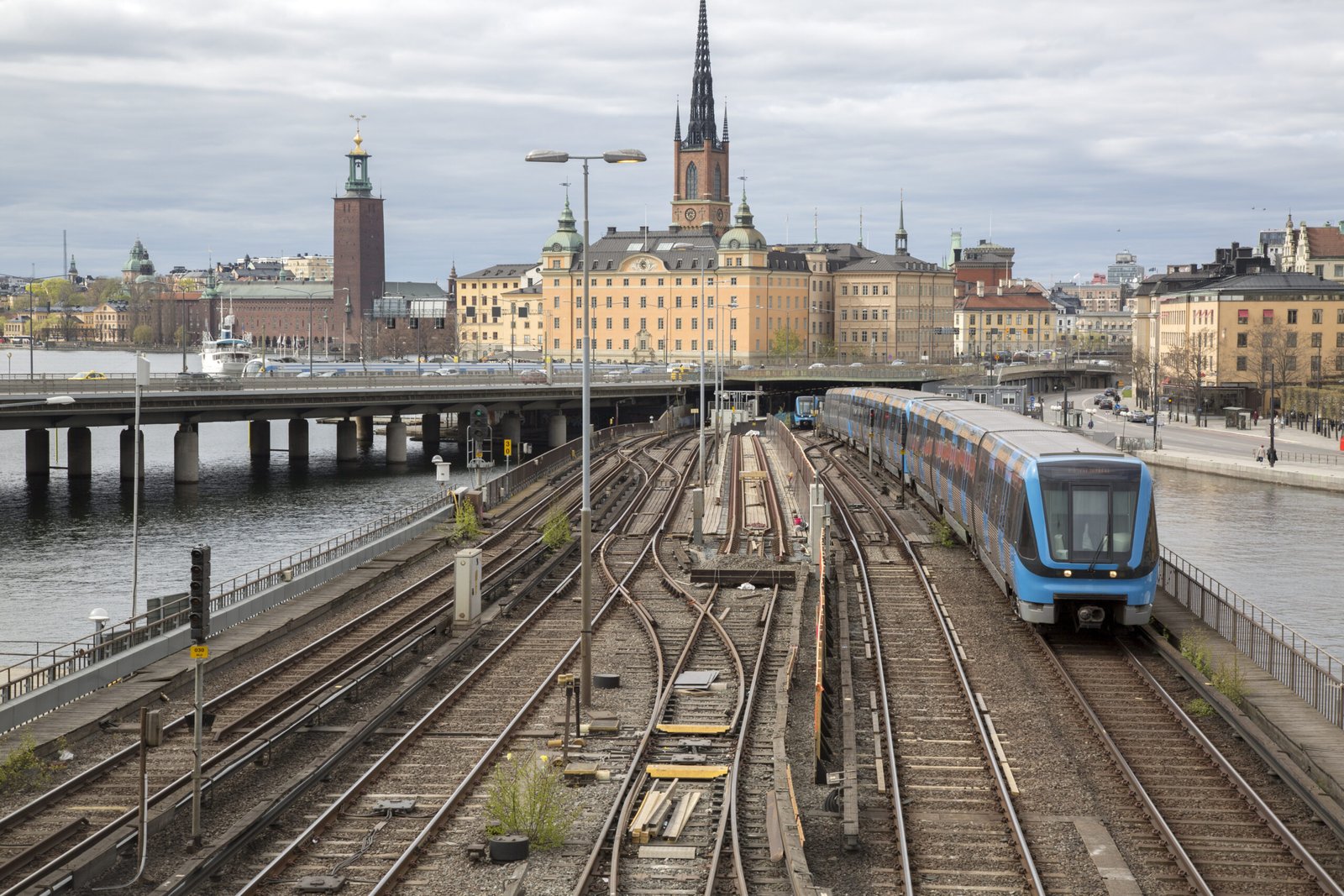
Here’s where it gets honest. Sweden’s rail network has a documented punctuality issue, especially on regional and suburban routes. The industry target is 95% of trains arriving within five minutes of schedule. The actual figure for 2023–2025 has been around 87–88%, according to Sweden’s Transport Administration. (Source: Springer, January 2026)
Late trains caused 63,000 hours of delay in 2025 — an improvement of about 13.5% on the previous year, which had been described as the worst in over a decade. (Source: Sweden Herald, February 2026) The main culprits are infrastructure capacity, signalling errors, and snow on tracks. The rail network is heavily used and the timetable doesn’t have much slack built in — so when something goes wrong, it cascades. You cannot imagine the chaos when a train breaks down going to/through Copenhagen airport.
For tourists doing the main intercity routes, this mostly means you should not book a train that arrives less than two hours before an international flight. On trunk routes, serious delays happen but they’re the exception. On regional trains, especially in winter, allow more time.
The CEO of SJ put it plainly: “We see a great need for the reliability of the railway to increase.” (Source: Global Railway Review, 2024)
What Sweden does well
One practical thing tourists often miss: Swedish trains leave exactly on time. Not “roughly on time” — on time. Be at the platform three to four minutes early, not one. The train does not wait. (Source: Study in Sweden)
Booking
Book directly at sj.se or via Omio for comparison. Reservations are mandatory on high-speed and night trains and cost extra on top of Eurail/Interrail passes — around €10. Upgrading to the next class is not worth it – there is not much difference.
Denmark: Compact, Easy, and Surprisingly Reliable
Denmark is the outlier in this group. It’s small, the distances are short, and the trains — run primarily by DSB (Danske Statsbaner) — actually show up when they’re supposed to. Euronews’s 2025 EU train punctuality analysis found Denmark fourth in the EU for long-distance services and in the top five for regional and local punctuality as well. (Source: Euronews, September 2025)
The routes
Copenhagen to Aarhus: 3 hours, hourly. Copenhagen to Odense: 1.5 hours. Copenhagen to Aalborg: 4.5 hours. Copenhagen to Malmö, Sweden (via Öresund Bridge): 35–40 minutes.
Most DSB routes don’t require advance reservation — you can turn up and go. (Source: Eurail/Bootsnall) This is genuinely unusual for Scandinavia and very useful if you’re travelling flexibly.
The exception: the Hamburg–Copenhagen international route requires reservations in high season (late May to late August), and it’s worth booking those ahead. (Source: Into the North)
Arriving in Copenhagen
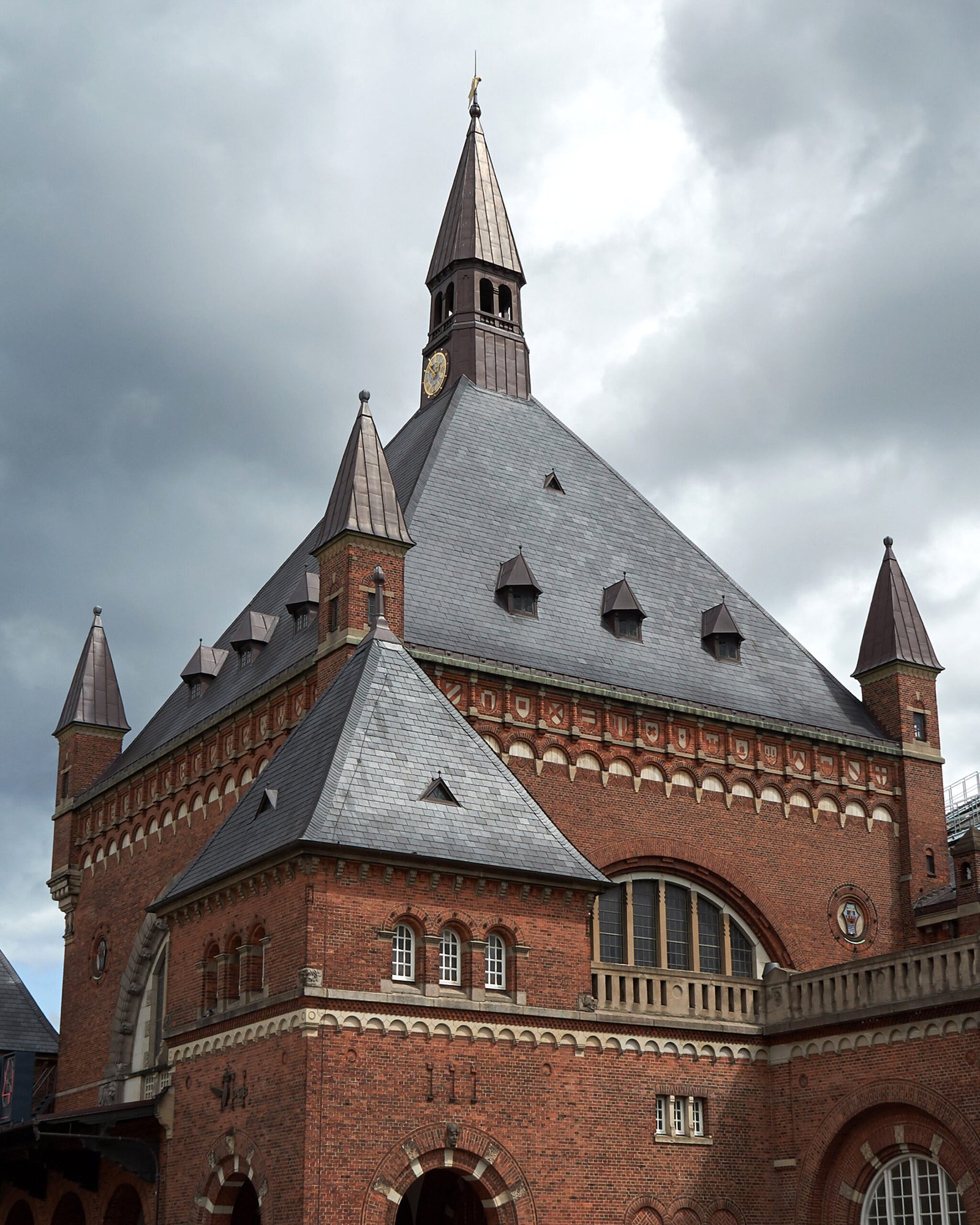
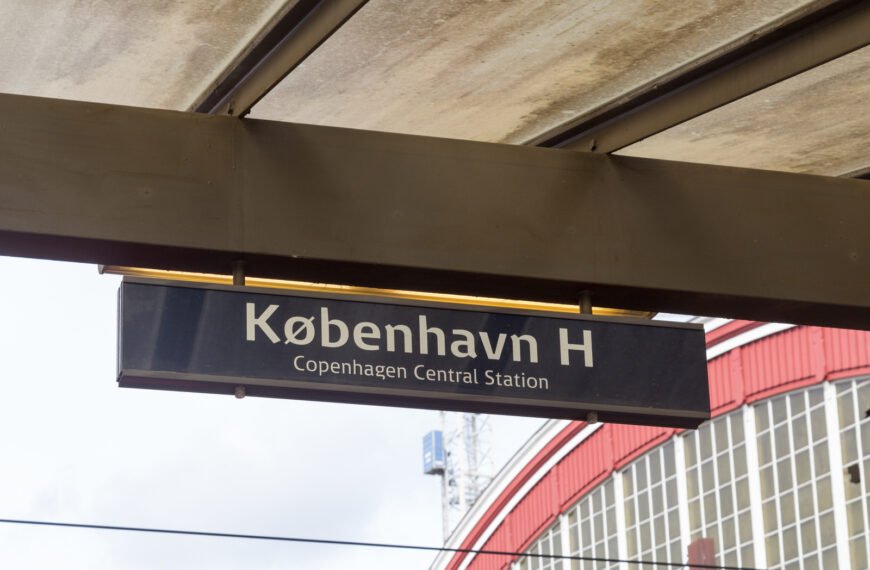
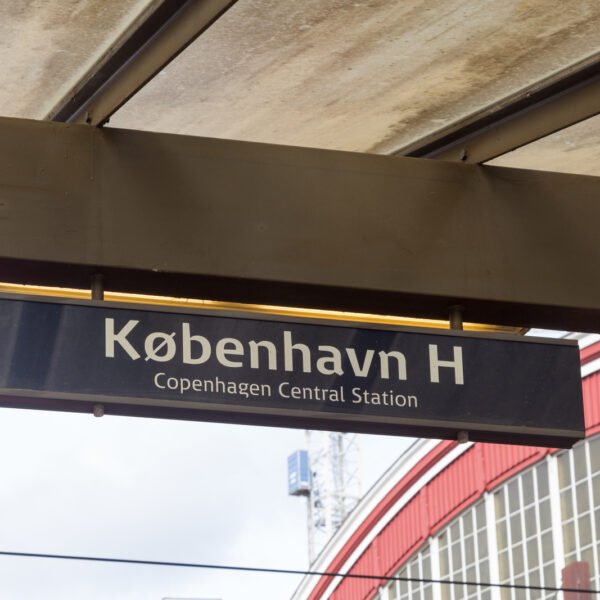
Copenhagen Airport has a direct rail link into the city centre that takes 13 minutes. Buy a 3-zone ticket (around DKK 36). The station is in Terminal 3. Don’t overthink it. (Source: VisitDenmark)
For Stockholm to Copenhagen trains: in 2025, direct services were temporarily suspended. The current workaround is a regional Øresundstag from Copenhagen to Malmö (no reservation needed), then a Swedish X2 high-speed train to Stockholm — reservation required for the X2 leg. Check HappyRail for up-to-date information before travelling, as this changes.
Booking
Book directly at dsb.dk or use the Rejseplanen journey planner, which covers all public transport in Denmark, including buses and trains. Eurail and Interrail passes work on nearly all DSB services.
DSB Orange tickets — booked two months or more in advance — are the cheapest fares. Adults can take two children under 12 for free on any train.
Finland: A Network That Ends in Magic
Finland’s trains are operated by VR Group (Valtion Rautatiet — the state railways). The network connects 200 stations across a country that is mostly forest, lake, and silence. It’s well-run, comfortable, and the long-distance trains have some of the best onboard dining of any rail system in the region.
The standard Pendolino trains do the Helsinki–Oulu route, and the InterCity double-deckers handle the rest. Both have dining cars, power sockets, and Wi-Fi (though WiFi coverage thins out in the north). Tickets book at vr.fi or via the VR Matkalla app.
The Santa Claus Express (Helsinki–Rovaniemi)
This is the one. An overnight double-decker sleeper train, running roughly 900km from Helsinki to Rovaniemi — the capital of Finnish Lapland — in about 12 hours. You board in the evening, sleep through the forests, and wake up past the Arctic Circle.
The sleeper cabins are private and lockable. You choose from two-berth cabins (some with a shower), three-berth cabins, or accessible cabins on the lower floor. There’s a restaurant car, dinner and breakfast available, and — critically — the tap water in the cabins is not drinkable. Bring a bottle. (Source: Traveltomtom)
The carbon footprint of a return train journey Helsinki–Rovaniemi is 9kg of CO₂, versus 688kg for the equivalent return flight. If that kind of comparison matters to you, it matters here.
During the December–January peak, up to five night trains depart Helsinki in one evening — two to Kolari (for ski resorts) and three to Rovaniemi. Book months in advance for the Christmas and New Year period. Prices for a two-berth sleeper cabin generally start around €199. (Source: Families Can Travel)
Interrail pass holders can use the pass but must book a seat reservation at a Finnish station or by calling VR directly — this discount is not available online.
The train also offers car-carrying carriages — so you can bring your vehicle north and drive from Rovaniemi rather than relying on car hire. Cabin + car starts from around €88 when booked in advance. (Source: VR Group)
Day trains
For those who’d rather watch Finland go by: the daytime InterCity Helsinki–Rovaniemi takes about 8 hours. Compartments for four are available and popular with families or groups who want privacy. Reviewers note the rotate-and-face seating in some standard seats is uncomfortable on long journeys; book a compartment if you can. (Source: TripAdvisor VR reviews)
Passes and Pricing: How to Actually Save Money
Interrail vs Eurail
Interrail is for European citizens. Eurail is for everyone else. Both work the same way — you buy a pass covering a number of travel days and use it across participating networks. (Source: Routes North)
Discounts by age: under-12s often travel free, 12–27 and over-60 get discounts, groups of two or more often get discounts too.
Is a pass worth it?
The honest answer: do the maths for your specific trip. Passes save money on multiple long journeys. They don’t save money if you’re doing one or two trips and booking in advance — advance individual tickets are often cheap. But the flexibility is real. Seat reservations are not included in passes and cost extra — usually €3–10 per train.
One practical note: for the Flåm Railway, pass holders get 30% off the standalone ticket, but it must be bought at a Norwegian station or via Vy’s phone line. For VR night trains in Finland, the pass reservation has to go through VR directly.
Useful tools
- All Norway: Entur — covers all operators, no surcharges
- Sweden: SJ direct, or Omio for comparisons
- Denmark: Rejseplanen journey planner, DSB for tickets
- Finland: VR Group or the VR Matkalla app
- Cross-Scandinavia comparison: Trainline or Omio
- Pass purchases: Eurail.com or Interrail.eu
Google Maps and real-time help
Google Maps works surprisingly well for Scandinavian public transport — select transit mode and it will pull in live timetables. It’s a good sanity check when comparing routes. Direct links:
- Oslo by transit on Google Maps
- Stockholm by transit on Google Maps
- Copenhagen by transit on Google Maps
- Helsinki by transit on Google Maps
A Few Things No One Mentions
Seat reservations are not optional on many routes, even with a pass. In Norway especially, most long-distance trains require them. Show up without one and you’ll pay for it on the platform.
Intercity trains in Denmark split en route. Some DSB trains separate at a junction, with different carriages heading to different destinations. Sit in the wrong carriage and you arrive somewhere else. Check the carriage letter on your ticket. (Source: Trainline/DSB guide)
In Sweden, the train leaves when it says it does. Not 30 seconds later. The platform departure is not a suggestion. Be there early.
Norway in a Nutshell is public transport. The packaged tour sold as “Norway in a Nutshell” — Vy train to Myrdal, Flåm Railway to Flåm, fjord cruise, bus back — is simply a combination of public transport services. You can book all the pieces separately, often cheaper. See fjordsandbeaches.com for a breakdown.
Finland’s night train tap water is not potable. A small thing, but genuinely not mentioned anywhere official. Bring water.
The Öresund Bridge is worth looking out the window for. The Copenhagen–Malmö crossing takes about five minutes on the bridge. It’s the moment you move from island Denmark to mainland Scandinavia, low over the water. Easy to miss if you’re looking at your phone.
Further Reading and Sources
- VisitNorway – Getting Around by Train
- VY (Norwegian Railways)
- SJ (Swedish Railways)
- DSB (Danish State Railways)
- VR Group (Finnish Railways)
- Entur – Norway-wide travel planner
- Rejseplanen – Denmark travel planner
- Routes North – Scandinavian Rail Passes guide
- Finding Alexx – 3-Week Scandinavia by Train itinerary
- Norwegian Routes – Flåm Railway practical guide
- Eurail – Denmark guide
- Interrail – Trains in Denmark
- Euronews – EU train punctuality fact check, September 2025
- Families Can Travel – Santa Claus Express guide

 English