The Spooky Spread: How Halloween Took Hold
Let’s be honest. When you picture Halloween, you’re probably not picturing fjords and reindeer, right? You’re thinking pumpkins on porches in suburban America, maybe some haunted houses, bags full of candy. But if you’ve spent any time in the Nordic countries, you’ve likely noticed a peculiar phenomenon. Halloween, that very American holiday, has crept its way north. And it’s not just a subtle whisper; it’s a full-blown scream, complete with costumes, carved gourds, and trick-or-treating. But how did it happen, and what does it look like when it hits the lands of social welfare and Calvinism?
The adoption of Halloween in the Nordics is a relatively recent phenomenon. It really only gained significant traction in the late 1990s and early 2000s. Before that, it was largely unknown, or at best, a niche interest among expats. But a combination of globalization, American pop culture influence (movies, TV shows), and clever marketing by retailers saw it blossom. Suddenly, there was a new reason to celebrate, to dress up, and crucially, to buy things.
You see, the Nordics love a good party. They reall do. And while their traditional calendars are packed with celebrations like Midsummer and various Christmas festivities, there was a gap for a secular, spooky event in autumn. Halloween filled that void rather perfectly. It offered a chance for creativity, community engagement, and a good old-fashioned fright.
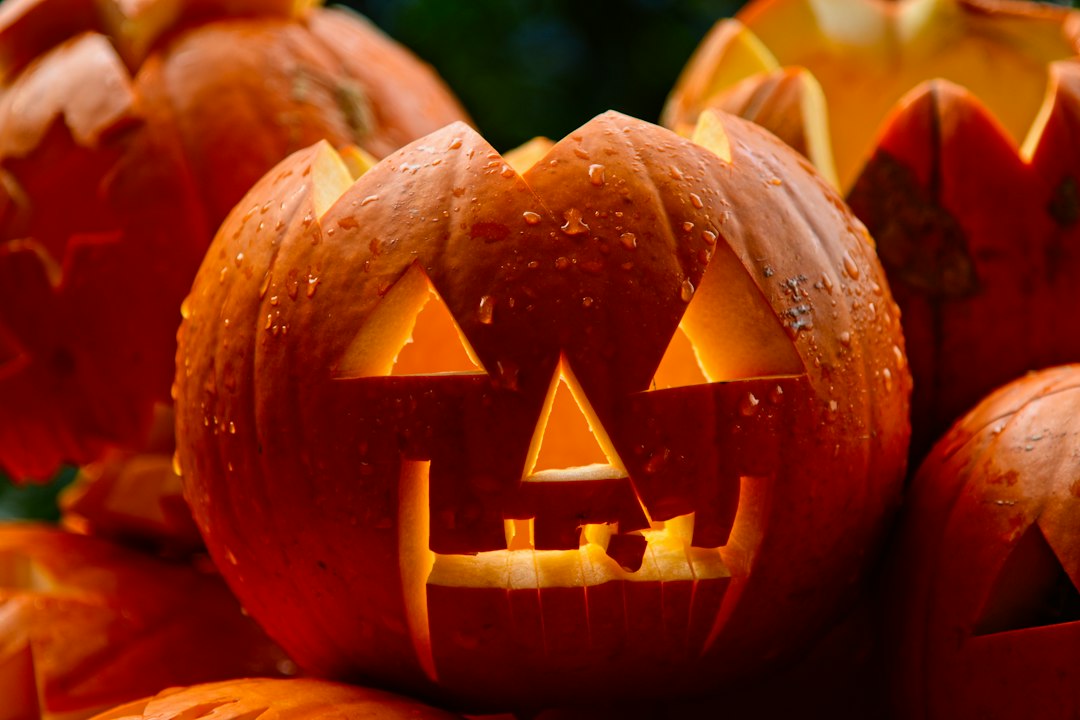
Now, you’ll find Halloween celebrated across Iceland, Denmark, Sweden, Norway, and Finland. Kids trick-or-treat. Adults throw costume parties. Businesses decorate their storefronts. Even theme parks, like Tivoli Gardens in Copenhagen, go all out with spooky decorations and special events. Tivoli in Copenhagen, for example, transforms into a Halloween wonderland from mid-October, complete with thousands of pumpkins, scarecrows, and eerie lighting. It’s a huge draw, bringing in families from all over.
The Marketing Machine
Retailers played a massive role in Halloween’s Nordic invasion. They saw an opportunity to extend the consumer spending season between the back-to-school rush and the Christmas shopping frenzy. Supermarkets started stocking Halloween items, costume shops popped up, and even IKEA got in on the action with spooky homewares. The message was clear: Halloween is here, and you should celebrate it.
Media Influence
American movies and TV shows certainly paved the way. Nordic children and teenagers, exposed to classic Halloween narratives, began to ask for their own spooky celebrations. It became aspirational, something they saw their peers doing in the US and Canada. Social media further amplified this, with Instagram and TikTok full of elaborate costumes and Halloween decor ideas. Suddenly, celebrating Halloween became a way to connect with a global trend.
Ancient Echoes: Samhain and Nordic Roots
Despite its modern, Americanized veneer, Halloween has ancient roots that resonate surprisingly well with Nordic history and folklore. You might not realize it, but the core themes of Halloween – ghosts, spirits, the veil between worlds thinning – have parallels in older European, including Nordic, traditions. Halloween itself is thought to have evolved from Samhain (pronounced “Sow-in”), an ancient Celtic festival marking the end of summer and the harvest, and the beginning of the “darker half” of the year. It was a time when the boundary between the living and the dead was believed to blur, allowing spirits to cross over.
Now, while the Nordics didn’t celebrate Samhain directly, they certainly had their own autumnal observances focused on the changing seasons, the harvest, and crucially, the supernatural.
Álfar and Disir: Nordic Spirits
In Norse mythology, there are various spirits and beings that could easily fit into a Halloween narrative. You have the álfar (elves) and dísir (female ancestral spirits or deities). These weren’t always benevolent. Like the spirits of Samhain, they could be unpredictable, sometimes helpful, sometimes mischievous, and sometimes downright dangerous. You wouldn’t want to accidentally offend an álfr during a long, dark winter night.
During autumn and early winter, a significant feast called Dísablót was held in honor of the dísir. This was a time for sacrifices and divination, seeking blessings for the coming year and protection from harm. While not about trick-or-treating, it speaks to a communal recognition of powerful, unseen forces at a specific time of year. The idea of appeasing spirits to ensure a good harvest or a safe winter certainly aligns with the underlying spirit of ancient Halloween.
Norse Burial Mounds and the Undead
Norse sagas are full of accounts of the draugar, undead creatures guarding their burial mounds. These weren’t your friendly neighbourhood zombies; they were powerful, often malevolent beings who could grow in size, possess supernatural strength, and spread disease. The idea of the dead rising, or at least being active, was certainly present in the Nordic imagination. Stories of the draugar would have been told around fires during long winter nights, a perfect fit for a spooky tale.
Think about the atmosphere around a gravhaug (burial mound) on a misty autumn evening. You wouldn’t be surprised if something stirred. This connection to the ancestors, and the potential for their continued presence, albeit sometimes unwelcome, resonates with the ancestral focus of Samhain.
Masking and Liminality
The practice of masking and disguising oneself is a key element of modern Halloween. In ancient Samhain, it’s believed people wore costumes to either blend in with the spirits or to ward them off. Similar practices exist in Nordic traditions. For instance, in some parts of Sweden, there were traditions of young people dressing up and going from house to house during certain festivals, often singing or performing small acts in exchange for food or drink. While not spooky, it shares the core element of masked performance and communal visiting.
Also, the concept of liminality – being on the threshold between two states – is crucial to both Samhain and the Nordic understanding of certain times of the year. Autumn, transitioning from light to dark, warmth to cold, is a liminal time. It’s when the boundaries are believed to be thin, making the supernatural more accessible. This is a concept deeply embedded in Norse mythology and folklore.
A Taste of the Dark: Specific Nordic Celebrations
While Halloween has established itself, it hasn’t completely overshadowed older, sometimes similar, Nordic traditions. Some of these traditions, while not Halloween, certainly share a similar vibe of community, food, and sometimes a touch of the supernatural.
Denmark: Fastelavn and Mortensaften
Denmark offers a few interesting parallels.
Fastelavn
This is probably the closest Danish equivalent to a costume-wearing, door-to-door celebration, though it takes place much earlier in the year, just before Lent. Children dress up in costumes (often cute, not scary, though witches and devils are common), go door-to-door singing, and receive sweets or coins. The highlight is “slå katten af tønden” (hitting the cat out of the barrel). Historically, a live cat was placed in a barrel and beaten to death to ward off evil. Thankfully, it’s now a barrel filled with candy and toys, with a picture of a cat on it. The child who breaks the barrel becomes the “cat queen” or “cat king.” While not spooky, it involves dressing up and community visits for treats.
Mortensaften (Saint Martin’s Eve)
Celebrated on November 10th, this is a more subdued affair. It marks the evening before Saint Martin’s Day and is traditionally celebrated with a roast duck or goose dinner. The connection here is less about ghosts and more about harvest feasting and the transition into winter. However, the story of Saint Martin involves him hiding in a goose pen to avoid being made a bishop, and the geese’s cackling gave him away. Some versions of the tale also involve a touch of mischief or trickery, which isn’t a huge leap from Halloween’s playful side. It’s a community food event, bringing people together as the nights grow longer.
Sweden: Alla Helgons Dag and Julbock
Sweden has its own blend of traditions.
Alla Helgons Dag (All Saints’ Day)
Observed on the first Saturday of November, this is a more somber and reflective holiday. Families visit cemeteries to light candles on graves, remembering deceased loved ones. It’s a beautiful, poignant tradition that lights up cemeteries across the country. While not spooky, it shares Halloween’s focus on the dead and remembrance. It’s a direct parallel to the original intention of All Hallows’ Eve, which was to prepare for All Saints’ Day.
Julbock (Yule Goat)
While firmly a Christmas tradition, the Julbock has ancient roots in pre-Christian Norse traditions. Historically, people would dress up as goats and go from house to house, singing and performing in exchange for food and drink. It was a boisterous, often rowdy, affair. This again shares the elements of masking, performance, and visiting homes for treats, though in a much more festive, rather than spooky, context. The Julbock is now mostly a straw ornament, but the historical practice hints at similar communal rituals.
Norway: The Troll and Nisse
Norway, with its dramatic landscapes, is rich in folklore that easily lends itself to spooky tales.
Trolls
These iconic figures of Norwegian folklore are perfect for Halloween. Trolls range from colossal, mountain-dwelling creatures to smaller, mischievous forest dwellers. They can be dangerous, easily angered, and are often depicted as ugly or grotesque. Telling troll stories around a campfire is a perfect autumn activity, evoking a sense of ancient magic and potential peril in the wilderness.
Nisse / Fjøsnisse
The nisse (or tomte in Sweden, tonttu in Finland) is a fascinating figure. Often described as a small, bearded man wearing a red cap, the nisse is a house spirit who protects the farm and animals, but only if treated with respect. If offended, they can cause mischief, spoil crops, or even inflict harm. This blends the benevolent with the potentially menacing, a perfect character for a Halloween tale. You wouldn’t want to forget leaving out a bowl of porridge for your fjøsnisse (barn nisse) on Christmas Eve, just as you wouldn’t want to anger the spirits on Samhain.
Finland: Kekri and Nuuttipukki
Finland offers some truly intriguing, and sometimes unsettling, traditions.
Kekri
This ancient Finnish harvest festival, celebrated around the turn of October and November, is perhaps the closest Finnish parallel to Samhain. It marked the end of the agricultural year and the beginning of the spiritual new year. During Kekri, the dead were believed to return to their homes, and families would leave food out for them. People also dressed up in costumes, often made of animal skins, and went from house to house. The kekripukki (Kekri goat), a person dressed as a goat or other animal, would visit homes to receive treats. This tradition, with its focus on ancestors, costumes, and communal visiting, feels remarkably similar to the older roots of Halloween.
Nuuttipukki (St. Knut’s Day Goat)
Celebrated on January 13th, this tradition involves young men, dressed as goats or in other disguises, going from house to house, demanding food and drink. They would sometimes be quite boisterous, scaring children and making demands. While much later than Halloween, it again shows a long-standing tradition of masked figures visiting homes for treats (or demands!).
Greenland and the Faroe Islands: Arctic Halloween
Even in the remote and culturally distinct lands of Greenland and the Faroe Islands, Halloween has found its way, albeit with unique twists. You might think these isolated communities would be immune to global trends, but you’d be wrong. The internet and television reach everywhere.
Greenland: A Cold and Dark Halloween
Greenland’s sparse population and extreme environment mean community life is incredibly important. When Halloween arrived, it was often embraced as another reason for communities to come together during the long, dark autumn.
Given Greenland’s rich Inuit mythology, there are plenty of local spirits and stories that lend themselves to a spooky theme. Tales of the Qivittoq, a person who leaves society to live in the wilderness and gains supernatural powers, or the various sea spirits, could easily be incorporated into local Halloween narratives. While not directly linked to specific Halloween practices, these stories provide a deep well of local horror that could infuse a distinct Greenlandic Halloween.
Practical considerations also come into play. Trick-or-treating in an Arctic climate requires warmer costumes! Kids often wear their snowsuits under their costumes, or integrate warmth into their outfits. Community centers often host indoor Halloween parties, especially in smaller settlements, to avoid the harsh weather.
The Faroe Islands: A Tight-Knit Haunting
The Faroe Islands, with their dramatic landscapes and strong sense of cultural identity, have also seen Halloween take root. Like Greenland, the isolated nature of the islands means community events are cherished.
The Faroes have a rich oral tradition filled with tales of huldufólk (hidden people or elves), trolls, and other mythical creatures. These stories, often told around the peat fire on long winter evenings, could easily provide a unique Faroese flavour to Halloween. Imagine a child dressed as a huldufólk, knocking on doors for candy!
Embracing the Spook: How Nordics Do Halloween
| Country | Popular Halloween Traditions | Typical Halloween Treats | Unique Nordic Halloween Fact |
|---|---|---|---|
| Sweden | Costume parties, pumpkin carving, trick-or-treating in some areas | Chocolate, candy, “Halloween candy bags” | Halloween is a relatively new tradition, gaining popularity since the 1990s |
| Norway | Costume parties, trick-or-treating, haunted houses | Chocolate, candy, homemade baked goods | Halloween overlaps with the traditional “Allehelgensdag” (All Saints’ Day) |
| Denmark | Trick-or-treating, costume parties, pumpkin carving | Candy, chocolate, “halloween sweets” | Halloween is celebrated more in urban areas than rural |
| Finland | Costume parties, trick-or-treating, bonfires | Candy, chocolate, pastries | Halloween coincides with “Pyhäinpäivä” (All Saints’ Day) traditions |
| Iceland | Costume parties, trick-or-treating, bonfires | Candy, chocolate | Halloween is less traditional but growing in popularity among youth |
So, what does a Nordic Halloween actually look like on the ground? It’s a fascinating blend of imported customs and local adaptations. You’ll recognize many elements, but you’ll also notice some unique twists.
Costumes: From Classic to Creative
Like anywhere else, costumes are a huge part of the fun. You’ll see all the usual suspects: vampires, witches, superheroes, princesses, but the emphasis is on the scary. You might also see some wonderfully creative, homemade costumes. Nordic people are generally quite resourceful and good at DIY, so elaborate, original creations are not uncommon. And yes, in the colder parts, those costumes often go over warm layers of clothing. Practicality reigns, even during spooky season.
Trick-or-Treating: “Bus eller Godis!”
Trick-or-treating is definitely a thing, especially in residential areas. The phrases vary slightly:
- Denmark: “Slik eller ballade!” (Candy or mischief!) or often just the English, “Trick or Treat!”
- Sweden: “Bus eller godis!” (Mischief or candy!)
- Norway: “Knask eller knep!” (Crunch or trick!)
- Finland: “Karkki vai kepponen!” (Candy or prank!)
Don’t be surprised if the kids are a bit more reserved than their American counterparts. A polite “thank you” is common, and excessive exuberance might be tempered by Nordic social norms.
The Great Pumpkin Debate
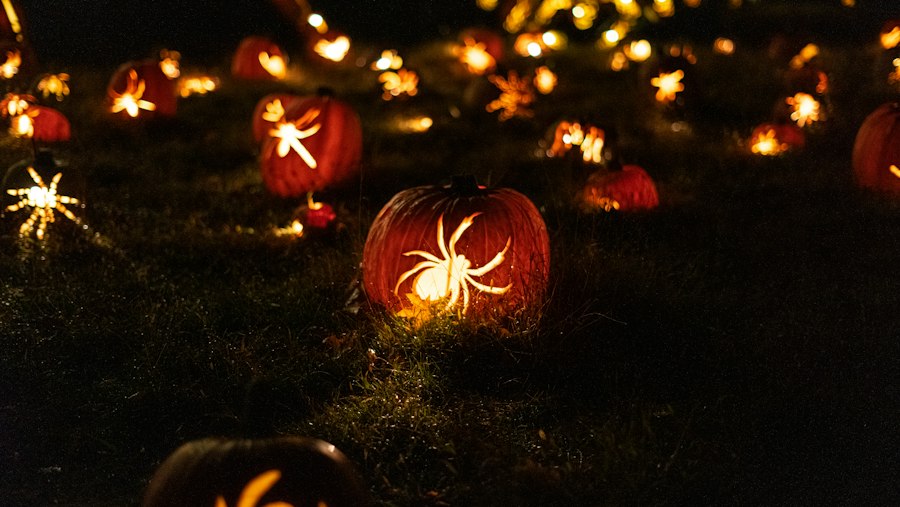
Carving pumpkins is a staple, but it’s worth noting that pumpkins aren’t traditionally grown in abundance in the Nordics for carving purposes, and practically impossible in Greenland. This means they are often imported, and can be quite expensive. So, a carved pumpkin is sometimes seen as a bit of a luxury item, adding to its special status.
In essence, Halloween in the Nordics is a vibrant example of cultural diffusion. So, next time you’re in Scandinavia in October, don’t be surprised if you hear a polite “Bus eller godis!” ringing out in the twilight.


 English