
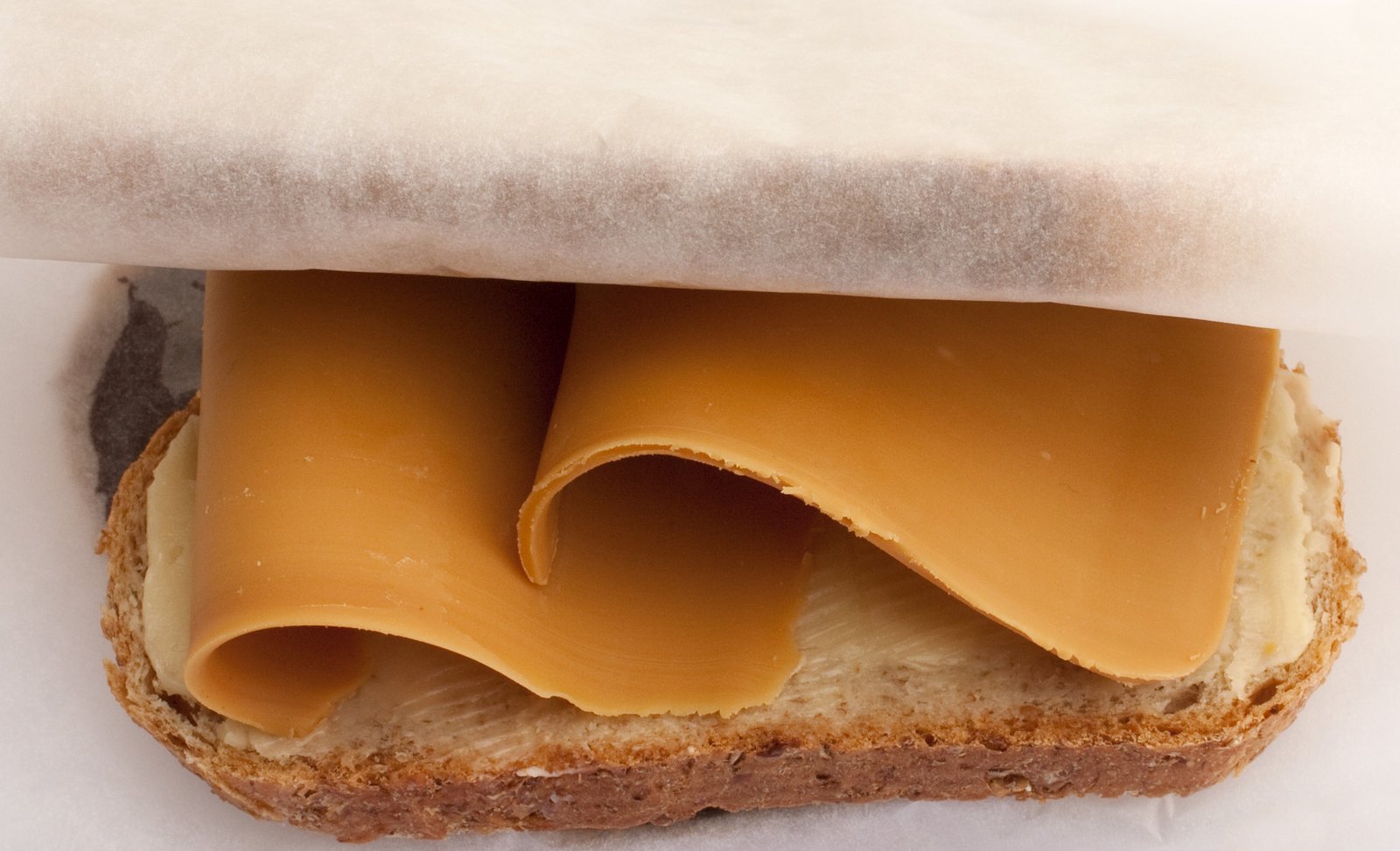
Brown cheese, or “brunost” as the locals affectionately call it, has a history as rich and complex as its flavor profile. This delightful dairy product traces its roots back to the 19th century, when Norwegian farmers sought ways to utilize leftover whey from cheese production. Instead of letting this nutrient-rich byproduct go to waste, they ingeniously transformed it into a sweet, caramelized treat that would eventually become a staple in Norwegian households.
The process was simple yet effective: by boiling down the whey, they created a thick, brown paste that could be sliced and enjoyed on bread or crispbread. As the years rolled on, brown cheese evolved from a humble farmer’s creation into a beloved national delicacy. It became a symbol of Norwegian ingenuity and resourcefulness, showcasing the ability to turn what was once considered waste into something truly special.
By the mid-20th century, brown cheese had firmly established itself in the hearts and stomachs of Norwegians, becoming a must-have item in every grocery store. Most Norwegians has a block of it in their fridge, and can tell stories of a frozen piece of it on a slice of questionable bread, the matpakke, serving as the go to snack for skis trips. Today, it stands as a testament to Norway’s rich culinary heritage, bridging the gap between tradition and modernity while still holding a special place in the daily lives of its people.
The Making of Brown Cheese: A Unique and Time-Honored Norwegian Process
The Whey to Success
The journey begins with whey, the liquid leftover from milk curdling and straining during cheese production. This is where the magic unfolds.
The whey is heated and boiled down for hours, allowing the sugars to caramelize and develop that signature brown hue. The result is a thick, sweet paste that can be molded into blocks or logs, ready for slicing.
Variations and Traditions
Some producers add cream or milk to enhance the flavor and texture, creating variations that cater to different palates. The final product can range from mild and sweet to rich and tangy, depending on the specific recipe and techniques used. This meticulous process is steeped in tradition, with many families passing down their unique methods through generations.
A Piece of Norwegian Culture
It’s not just about making cheese; it’s about preserving a piece of Norwegian culture that has stood the test of time.
Brown Cheese in Norwegian Cuisine: How it’s Used and Enjoyed in Traditional Dishes
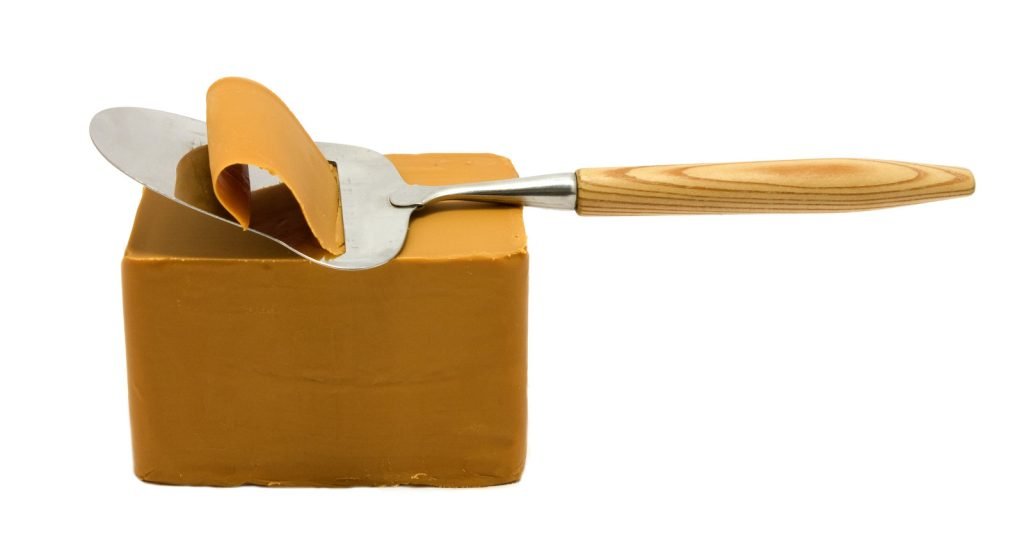
In 1925, Thor Bjørklund invented and patented the cheese slicer.
In Norway, brown cheese is more than just a breakfast spread; it’s a culinary superstar that graces tables across the nation in various forms. It might have been the catalyst for the the cheese slicer. The cheese slicer is Norway’s claim, before the oil anyway, to engineering process. One of the most popular ways to enjoy this delightful treat is on a slice of fresh bread or crispbread, sometimes accompanied by a generous smear of butter. The sweet and savory combination creates a flavor explosion that dances on the taste buds, leaving most Norwegians craving more.
But don’t stop there. Brown cheese also finds its way into traditional dishes like “rakfisk,” a fermented fish dish that pairs surprisingly well with the sweet notes of brunost. It’s not uncommon to see brown cheese served alongside fruit or as part of a charcuterie board, where its unique flavor profile complements other cheeses and cured meats beautifully.
Whether it’s melted over warm potatoes or incorporated into desserts like cakes and pastries, brown cheese proves time and again that it can hold its own in any culinary setting.
The Controversy Surrounding Brown Cheese: Is it Truly Delicious or Just a National Joke?
There is a dark side. Brown chees is the culinary enigma that has sparked debates among food enthusiasts both within Norway and beyond its borders. For some, it’s a beloved comfort food that evokes nostalgia and warmth; for others, it’s an acquired taste, like peanut butter for Americans or Marmite for Australians, that leaves them scratching their heads in confusion. Critics often liken it to a national joke, questioning how something so sweet could be considered cheese at all.
This controversy only adds to the charm of brown cheese.
It’s not uncommon for tourists to take a bite and recoil in surprise at its unique flavor profile. Yet, for those who grew up with it, every slice is a reminder of home.
The divide between lovers and skeptics creates an intriguing dynamic that keeps conversations lively at dinner tables and social gatherings alike. Whether you’re team brunost or not, one thing is for sure: this peculiar cheese will always be a topic of discussion.
Brown Cheese in the Global Culinary Scene: How Norway’s Unique Delicacy is Perceived Abroad
When it comes to global cuisine, brown cheese is like that quirky friend who shows up at parties—everyone’s intrigued but not quite sure what to make of them. Outside of Norway, this unique delicacy often raises eyebrows and elicits puzzled expressions.
Many international foodies are eager to try it, but their reactions can range from delight to bewilderment.
In some culinary circles, brown cheese has gained a cult following among adventurous eaters who appreciate its distinct flavor and versatility. Chefs have begun incorporating it into fusion dishes, pairing it with unexpected ingredients like chocolate or spicy elements to create tantalizing combinations that challenge traditional notions of flavor. However, for many others, it remains an oddity—an acquired taste that may never fully resonate outside its homeland.
Regardless of how it’s perceived abroad, one thing is certain: brown cheese has carved out its niche in the global culinary scene.
The Future of Brown Cheese: Its Place in Norway’s Food Culture and Beyond
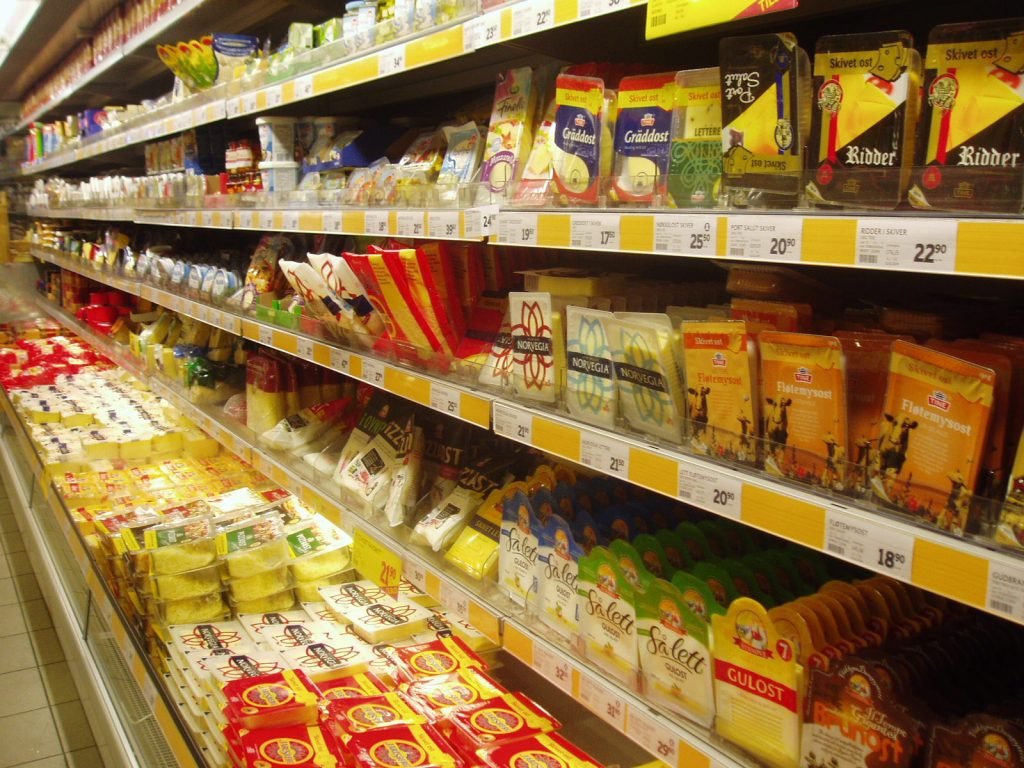
In a shelf of mostly unremarkable cheese products, Norwegian brunost stands out.
As we look ahead, the future of brown cheese appears bright yet uncertain. With an increasing interest in traditional foods and artisanal products, there’s potential for brunost to gain even more recognition both within Norway and on the international stage. As younger generations embrace their culinary heritage while also experimenting with new flavors and techniques, brown cheese may find itself reimagined in exciting ways that honor its roots while appealing to modern palates.
However, challenges remain. As globalization continues to influence food trends, there’s always the risk that traditional products like brown cheese could be overshadowed by more mainstream options. Yet, Norwegians are fiercely proud of their culinary traditions, and this pride will most likely ensure that brown cheese remains an integral part of their food culture for years to come.
Whether enjoyed on a slice of bread or incorporated into innovative dishes, brunost will continue to be celebrated as a unique symbol of Norway’s rich gastronomic heritage—a delicious reminder that sometimes the quirkiest foods are the ones that bring us together.







 English