
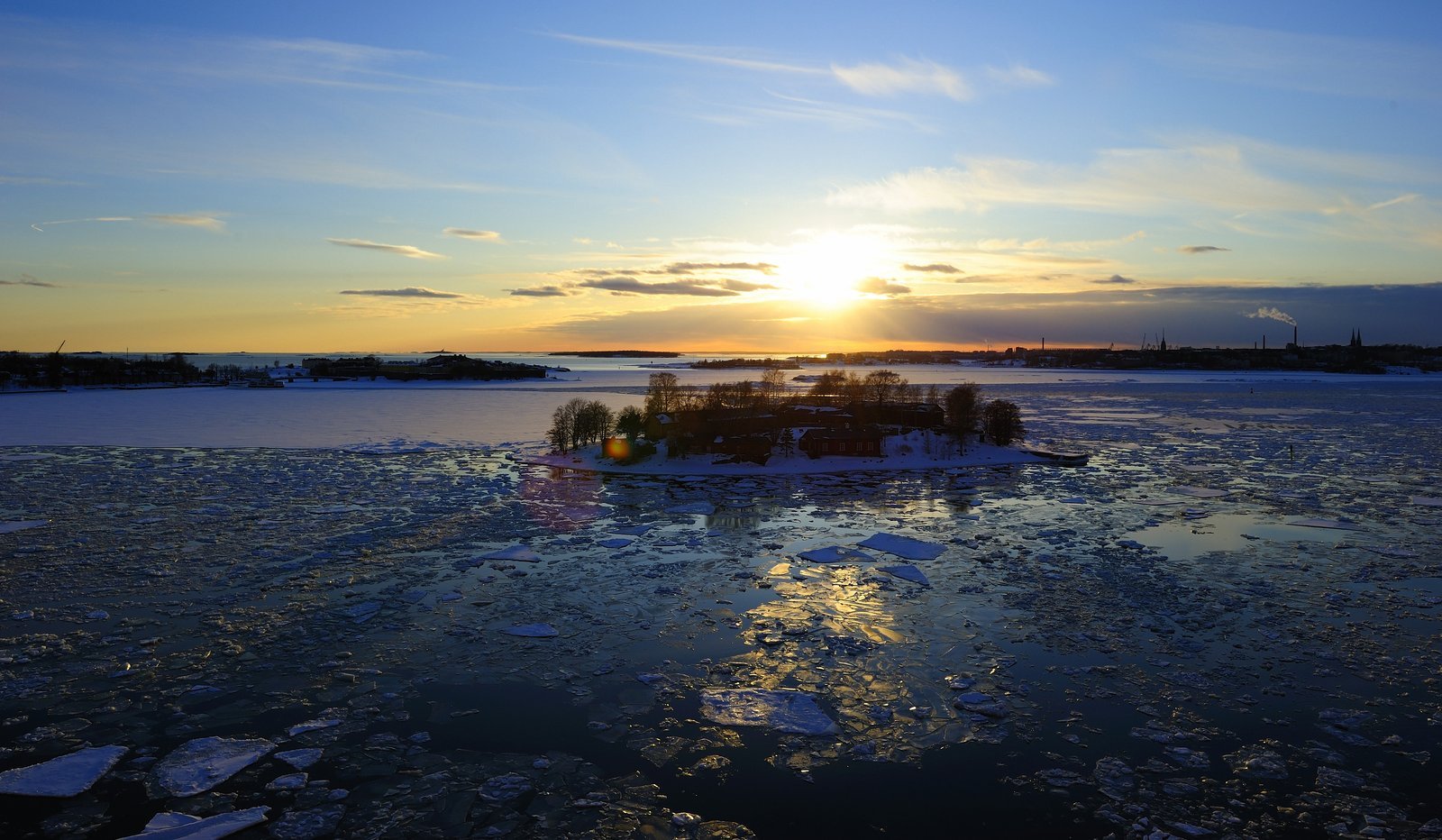
When you think of Vikings, what comes to mind? Horned helmets (most likely a myth), fierce battles, and a penchant for raping and pillaging? Keeping or banishing that image from your mind, let’s not forget the icy landscapes they called home.
The stereotype of the cold-hearted Viking, impervious to the frigid temperatures of Scandinavia, is as misleading as a poorly translated Norse saga. How could they cross the Atlantic in those freezing boats for days on end? In reality, these seafaring warriors were not just tough; they were masters of adaptation. They didn’t simply endure the harsh winters; they thrived in them, turning the biting cold into an ally rather than an enemy.
The truth is that Vikings were incredibly resourceful. They developed a deep understanding of their environment, which allowed them to navigate the challenges posed by winter. From constructing sturdy homes designed to retain heat to crafting clothing from animal hides and wool, they were well-equipped to handle the chill, and cross the Atlantic.
Their ability to adapt was not merely a matter of survival; it was a testament to their ingenuity and resilience. The myth of the cold-hearted Viking overlooks the warmth of community and family bonds that flourished even in the darkest months. These were not only warriors; they were families, storytellers, traders, and farmers who found ways to thrive in a land where winter reigned supreme.
Surviving the Scandinavian Winter: How Vikings Thrived in Freezing Temperatures
Surviving the Scandinavian winter was no small feat, but Vikings had a toolkit of strategies that would make any modern-day survivalist green with envy. First off, let’s talk about their homes. Viking longhouses were architectural marvels, built with thick wooden walls and thatched roofs designed to keep out the cold.
They utilized a central hearth for warmth and cooking, which not only provided heat but also created a cozy gathering spot for families. Imagine huddling around a fire with your loved ones, sharing stories and laughter while snowflakes danced outside. That’s the kind of winter magic Vikings knew how to conjure.
Food preservation was another area where Vikings excelled. They didn’t have access to modern refrigeration, but they were no slouches when it came to keeping their food fresh. Techniques like smoking, drying, and fermenting allowed them to stockpile provisions for the long winter months, some of which still exists in modern Nordic cooking.
They also relied on hearty stews made from preserved meats and root vegetables, ensuring that they had enough sustenance to keep their spirits high even when the sun seemed to vanish for weeks on end. The Viking diet was not only about survival; it was a celebration of what the land could provide, even in its most unforgiving state.
The Secret to Nordic Resilience: Understanding the Physical and Mental Adaptations of Vikings
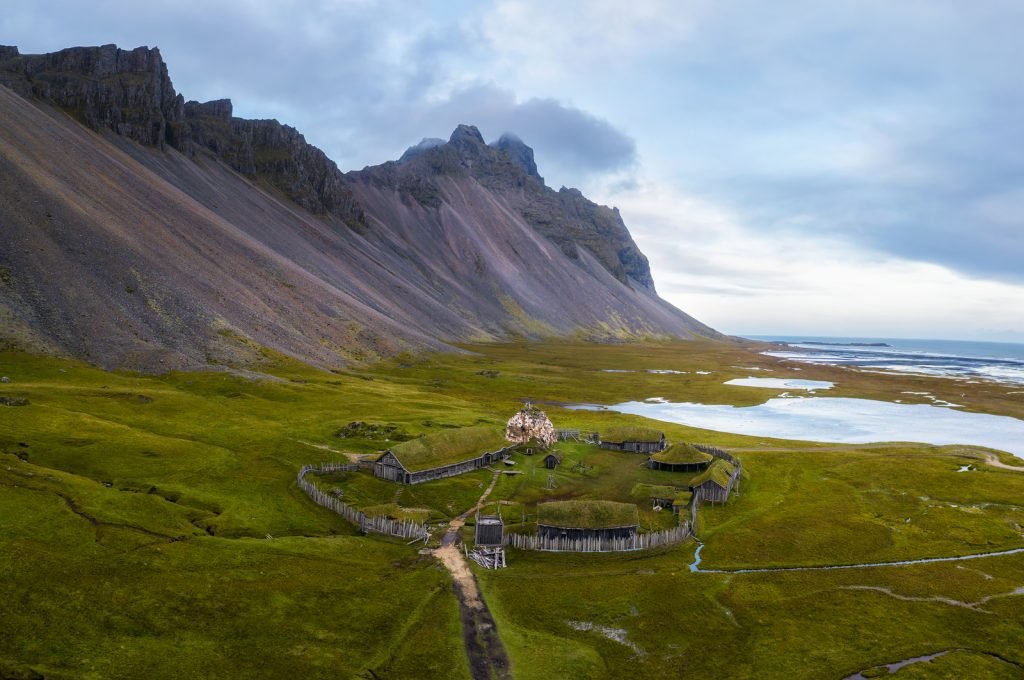
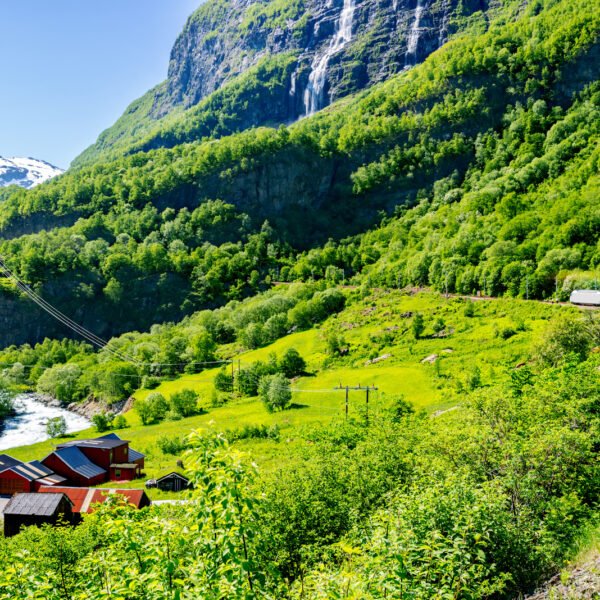
Sure, it was tough, but what could beat those views?
The resilience of the Vikings wasn’t solely about physical adaptations; it was also deeply rooted in their mental fortitude. Living in a land where winter could stretch on for what felt like an eternity required a mindset, and many who have been through a Nordic winter tend to agree, that embraced challenges rather than shying away from them. The Norse sagas are filled with tales of bravery and perseverance, reflecting a culture that valued strength in adversity.
This mental toughness was essential for navigating both the physical hardships of winter and the emotional toll it could take. Physically, Vikings were well-adapted to their environment. Their bodies were conditioned to withstand cold temperatures, thanks in part to their active lifestyles that included farming, hunting, and sailing.
They developed a robust metabolism that allowed them to generate heat efficiently, which was crucial during those long, dark months. But let’s not overlook the importance of community support in fostering resilience. The bonds formed through shared experiences—whether it was working together to build a home or gathering for feasts—created a sense of belonging that helped individuals cope with the harsh realities of winter life.
Embracing the Chill: How Nordic Culture and Traditions Were Shaped by Winter
Winter wasn’t merely a season for the Vikings; it was a defining element of their culture and traditions. The long nights and cold days inspired a wealth of folklore and mythology that celebrated both the beauty and brutality of nature.
Festivals like Yule emerged as a way to honor the return of light after the darkest days of winter, showcasing how they turned a potentially bleak time into an opportunity for celebration and community bonding.
Art and craftsmanship also flourished during these long winters. With more time spent indoors, Vikings channeled their creativity into intricate woodwork, textiles, and metalwork. The stunning designs found on Viking ships and jewelry are testaments to their artistic spirit, born out of necessity but elevated by passion.
Winter became a canvas for their creativity, allowing them to express their identity and values even when the world outside was frozen solid.
The Role of Winter in Viking Exploration and Conquest: How Cold Temperatures Shaped Viking Expansion
Believe it or not, winter played a pivotal role in Viking exploration and conquest. These intrepid adventurers didn’t shy away from cold climates; they embraced them as part of their identity. The very skills that allowed them to survive harsh winters also equipped them for long voyages across treacherous seas.
Their ships were designed for speed and agility, enabling them to navigate icy waters with ease. This mastery over their environment opened up new territories for exploration and settlement. Moreover, winter often provided strategic advantages during raids and conquests.
While other armies might have hesitated at the thought of battling in freezing temperatures, Vikings saw opportunities where others saw obstacles. Their ability to adapt to different climates allowed them to launch surprise attacks on unsuspecting foes who were ill-prepared for the harsh conditions. This audacity not only expanded their territories but also solidified their reputation as formidable warriors who could conquer both land and sea.
Lessons from the Vikings: How Modern Society Can Learn from Nordic Tolerance for Freezing Temps

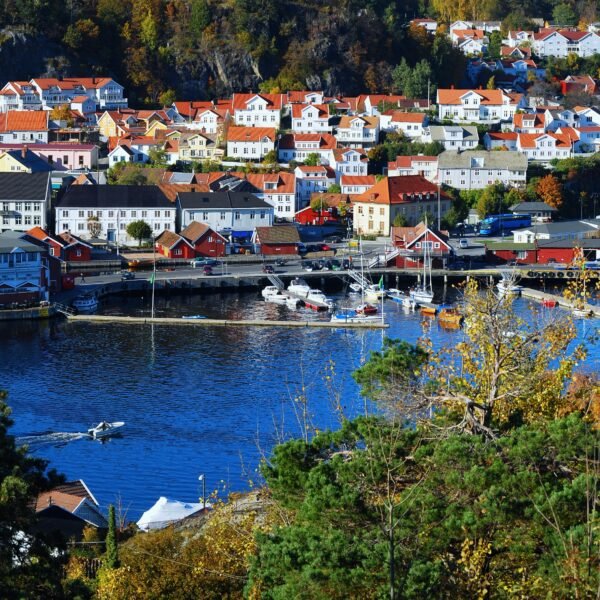
Not many Vikings out tonight.
As we navigate our own modern winters—complete with polar vortexes and snowstorms—there’s much we can learn from our Viking ancestors about resilience and adaptability. First off, maybe embrace the cold instead of dreading it. We could take a page from Viking playbooks for a few days by engaging in outdoor activities that celebrate winter’s beauty—think ice skating, snowshoeing, or even building epic snow forts.
Moreover, fostering community connections can help us weather not just the literal storms but also the metaphorical ones life throws our way. Like Vikings gathered around fires to share stories and support one another through tough times, we too can create spaces for connection and camaraderie during winter months. Whether it’s hosting potlucks or organizing group outings, building relationships can transform our perception of winter from isolating to invigorating.
In conclusion, while the image of the cold-hearted Viking may be alluring, it’s essential to recognize the depth of their adaptation to winter’s challenges. From ingenious survival strategies to rich cultural traditions shaped by the chill, these Norse warriors offer valuable lessons on resilience that resonate even today. So next time you find yourself shivering under layers of blankets while binge-watching your favorite series, remember: you might have Viking blood running through your veins—embrace that inner warrior.



 English