
Carl Larsson, a name synonymous with Swedish art, embodies the spirit of a bygone era that celebrated domestic life and the beauty of everyday moments. Born in 1853 in the small town of Östhamra, Larsson’s early life was marked by hardship and struggle. His family faced financial difficulties, which led him to seek solace in art from a young age.
These formative experiences shaped his artistic vision and propelled him toward a career that would leave an indelible mark on Swedish culture. Larsson’s journey as an artist took him from the confines of his challenging upbringing to the vibrant art scene of Paris, where he was influenced by the Impressionists. It was here that he developed his unique style, characterized by bright colors and a focus on light.
His works often depicted intimate family scenes, capturing the warmth and joy of domestic life. We can see how his love for his wife, Karin, and their children inspired many of his most famous pieces, such as “The Family” and “A Home.” These paintings not only showcase his technical skill but also reflect his deep appreciation for the simple pleasures of life, making him a beloved figure in Swedish art history.
The Creation of the Carl Larsson-gården
The Carl Larsson-gården, located in Sundborn, Sweden, is more than just a house; it is a testament to Larsson’s artistic vision and personal philosophy. In 1901, after years of searching for the perfect home, Larsson and his family settled in this picturesque village. The house itself became a canvas for his creativity, as he transformed it into a vibrant reflection of his artistic ideals.
We can imagine the excitement that must have filled the air as he began to paint murals on the walls, infusing each room with color and life. As we explore the creation of the Carl Larsson-gården, we find that it was not merely a residence but a sanctuary where art and family life intertwined. Larsson’s meticulous attention to detail is evident in every corner of the house, from the hand-painted furniture to the carefully curated decor.
He envisioned a space that would inspire creativity and foster a sense of belonging for his family. This dream became a reality as he collaborated with spouse Karin, who played an integral role in designing their home. Together, they created an environment that celebrated both their artistic passions and their love for one another.
The Design and Decor of the Carl Larsson-gården
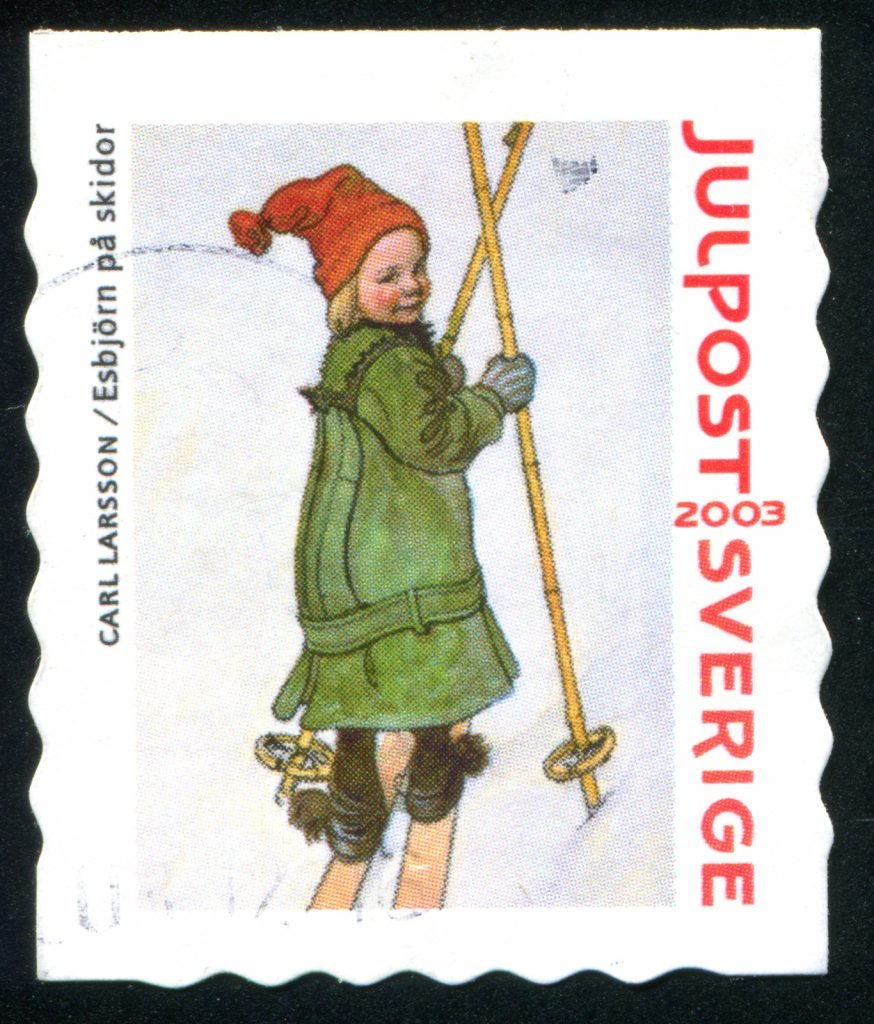
Larsson’s work commemorated in Swedish stamps
Stepping into the Carl Larsson-gården is akin to entering a living work of art. The design and decor reflect Larsson’s belief that beauty should be present in everyday life. Each room tells a story, showcasing his artistic flair and attention to detail.
The vibrant colors and intricate patterns create an atmosphere that is both inviting and inspiring. As we wander through the various spaces, we can appreciate how Larsson’s artistic sensibilities are woven into the very fabric of the home. One of the most striking features of the Carl Larsson-gården is its harmonious blend of functionality and aesthetics.
Larsson believed that art should not be confined to galleries; it should be integrated into our daily lives. This philosophy is evident in the way he designed furniture that was not only beautiful but also practical. The hand-painted cabinets and tables serve as reminders that art can enhance our living spaces while still being functional.
We can see how this approach has influenced contemporary design, encouraging us to seek beauty in our own homes.
The Influence of the Carl Larsson-gården on Swedish Art and Design
The impact of the Carl Larsson-gården extends far beyond its walls; it has played a pivotal role in shaping Swedish art and design. Larsson’s unique approach to domesticity resonated with many artists and designers who sought to capture the essence of Swedish life in their work. His emphasis on light, color, and the beauty of everyday moments inspired a generation of creatives to explore similar themes in their own art.
We can also see how his work contributed to the broader movement known as Swedish National Romanticism. This movement celebrated Sweden’s cultural heritage and sought to create a distinct national identity through art and design. Larsson’s paintings became emblematic of this movement, showcasing the beauty of rural life and traditional craftsmanship.
His legacy continues to inspire contemporary artists who strive to capture the essence of Swedish culture in their work.
Visiting the Carl Larsson-gården in Sundborn, Sweden
For those seeking to experience the magic of Carl Larsson’s world firsthand, a visit to the Carl Larsson-gården is an unforgettable journey into the heart of Swedish art and culture. Nestled in the idyllic countryside of Sundborn, this historic home offers visitors a glimpse into Larsson’s life and creative process. As we step through its doors, we are transported back in time, surrounded by the very spaces that inspired some of his most beloved works.
During our visit, we can explore the various rooms adorned with Larsson’s paintings and murals, each telling a story of family life and artistic expression. Guided tours provide insight into his creative process and the significance of each piece within the context of his life. We can also appreciate the meticulously preserved gardens that surround the house, reflecting Larsson’s love for nature and its influence on his art.
This immersive experience allows us to connect with Larsson’s legacy on a personal level, deepening our appreciation for his contributions to Swedish culture.
Preserving the Legacy of Carl Larsson
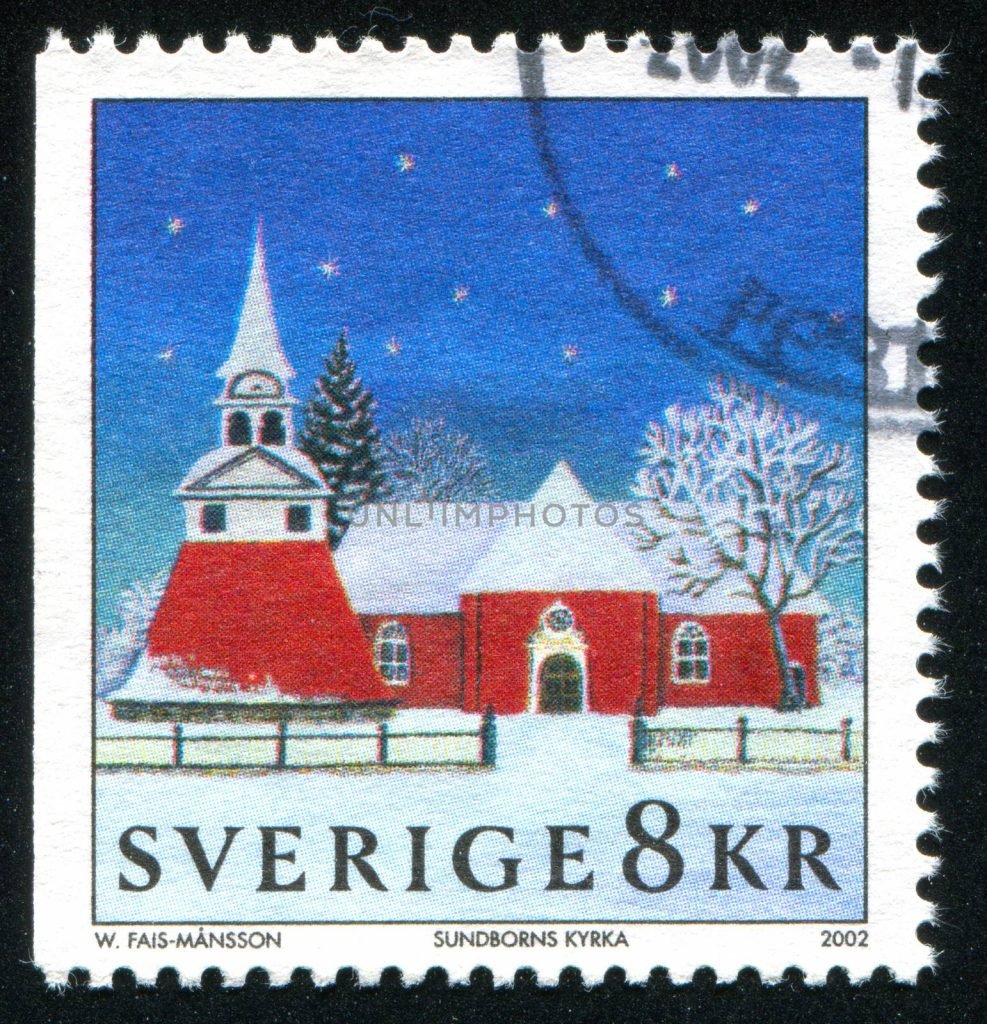
Sundborn outsized importance reflected in small stamp
When considering the enduring legacy of Carl Larsson, it becomes clear that preserving his contributions to art and design is essential for future generations. The Carl Larsson-gården stands as a monument to his creativity and vision, serving as both a museum and a cultural heritage site. Efforts to maintain and restore this historic home ensure that visitors can continue to experience its beauty for years to come.
In addition to preserving the physical space, there is also a growing movement to celebrate Larsson’s influence on contemporary art and design. Exhibitions showcasing his work are held regularly, allowing new audiences to discover his unique perspective on domestic life. Educational programs aimed at fostering an appreciation for Swedish art history further contribute to keeping his legacy alive.
We are reminded of the importance of creativity in our lives and the power it holds to inspire future generations. In conclusion, Carl Larsson’s life and art continue to resonate with us today, inviting us to appreciate the beauty found in everyday moments. The Carl Larsson-gården stands as a testament to his vision, offering a glimpse into a world where art and family life coexist harmoniously. Preserving Larsson’s legacy ensures that future generations will have the opportunity to experience this extraordinary journey into the heart of Swedish art and design.



 English