
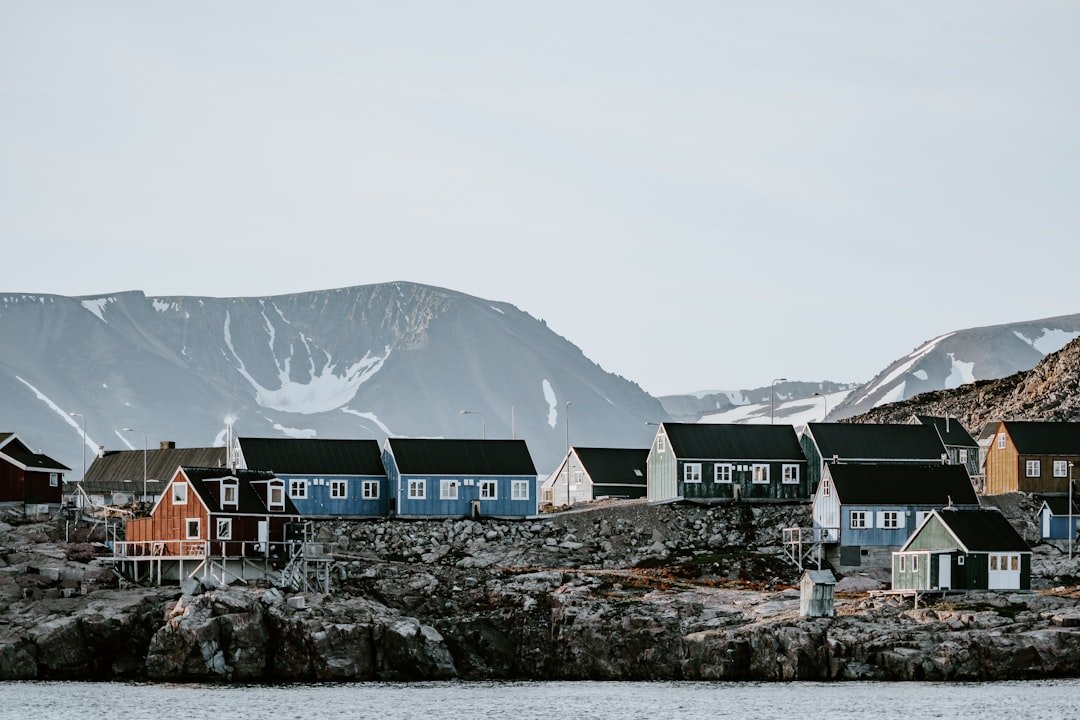
Greenland, the world’s largest island (Australia is an island, but at four time larger, is a continent), is a land of roughly 57,000 people steeped in a rich tapestry of history that spans thousands of years. From the early inhabitants who first set foot on its icy shores to the modern-day challenges faced by its people, Greenland’s history is a reflection of resilience, adaptation, and cultural evolution.
The island’s vast landscapes, ranging from towering glaciers to rugged coastlines, have not only shaped its physical identity but have also influenced the lives of those who call it home. Understanding Greenland’s history requires us to appreciate the interplay between its indigenous cultures and the external forces that have sought to claim it. The arrival of European explorers marked a significant turning point in this narrative, leading to centuries of colonization and cultural exchange.
As we explore the various epochs of Greenland’s history, we will see how the island has navigated the tides of change, maintaining its unique identity while also adapting to the influences of the outside world.
Early Inhabitants and Norse Settlements
The story of Greenland begins with its early inhabitants, the Paleo-Eskimo cultures, who arrived around 2500 BCE. These skilled hunters and gatherers adapted to the harsh Arctic environment, relying on marine mammals and fish for sustenance. We can appreciate their deep connection to the land and sea, which shaped their cultural practices and social structures. Wood, not native to Greenland, is absent from Greendlandic, but the word kayak, made from wood that floated to Greenland, exists. The sea and land shapes nearly everything Greenland.
Over time, these early peoples evolved into distinct groups, such as the Thule culture, which emerged around 1000 CE and is considered the direct ancestor of today’s Inuit population. The Norse settlements in Greenland represent another pivotal chapter in the island’s history. In the late 10th century, Erik the Red, an exiled Norseman from Iceland, established a colony on the southwestern coast.
Greenland, being warmer inland than it is now, changed drastically from the encounter. This marked the beginning of a new era characterized by agriculture, trade, and cultural exchange between the Norse settlers and the indigenous populations. The Norse brought with them their customs, language, and farming techniques, which contrasted sharply with the traditional Inuit way of life. As we examine this period, we can see how these two cultures interacted—sometimes harmoniously and at other times contentiously—shaping the social landscape of Greenland for centuries to come.
Danish Colonization and Modern History

Warming seas mean melting ice in Greenland
The arrival of Danish explorers in the early 18th century heralded a new phase in Greenland’s history. Denmark sought to establish control over the island, leading to formal colonization in 1721 under the leadership of Hans Egede. This period was marked by significant changes as Danish authorities imposed their governance structures and sought to convert the indigenous population to Christianity.
The impact of this colonization was profound; it altered traditional ways of life and introduced new economic systems that would forever change Greenland’s social fabric. As we move through the 19th and 20th centuries, we witness further developments in Greenland’s relationship with Denmark. The island was officially declared a Danish colony in 1953, which granted it a degree of representation within the Danish parliament while Denmark retained control of currency and external defense.
However, this relationship was not without tension. The struggle for autonomy grew stronger as Greenlanders began to assert their identity and demand greater control over their affairs. In 1979, Greenland was granted home rule, allowing for increased self-governance while still remaining part of the Kingdom of Denmark. Greenland symbolically voted itself out of the European Union, a symbolic gesture at best as Greenlanders still enjoy Danish citizenship and NATO protection.
This shift marked a significant milestone in our understanding of Greenland’s modern history and its ongoing quest for self-determination.
Greenland’s Economy and Natural Resources
Greenland’s economy has historically been shaped by its natural resources and geographic location. Traditionally reliant on fishing and hunting, the economy has evolved over time to include mining and tourism as significant contributors. The rich marine resources surrounding the island have provided sustenance for generations, while also serving as a foundation for trade with other nations.
As we explore this aspect of Greenland’s history, we can see how these economic activities have influenced social structures and community dynamics. In recent years, there has been growing interest in Greenland’s mineral wealth, particularly in rare earth elements and other valuable resources. The potential for mining has sparked debates about environmental sustainability and economic development, including large communities of Chinese migrants brought in to mine and send the ore for processing.
As we consider these issues, we must weigh the benefits of resource extraction against the potential risks to Greenland’s fragile ecosystems. The balance between economic growth and environmental stewardship is a critical conversation that continues to shape our understanding of Greenland’s future.
Impact of Climate Change on Greenland
Recent events aside, one of the most pressing challenges facing Greenland today is climate change. As global temperatures rise, we are witnessing dramatic shifts in the island’s environment—melting glaciers, rising sea levels, and changing wildlife patterns are just a few of the consequences that have emerged. These changes not only threaten the delicate ecosystems but also pose significant risks to the livelihoods of those who depend on them.
As we reflect on this issue, we recognize that climate change is not just an environmental concern; it is a social justice issue that disproportionately affects indigenous communities. The melting ice sheets are revealing new opportunities for resource extraction but also raising alarms about potential environmental disasters. As we grapple with these realities, it becomes clear that addressing climate change requires collective action on a global scale.
Greenland stands at the forefront of this crisis, serving as both a warning sign and a call to action for nations around the world. The resilience of Greenlanders in adapting to these changes will be crucial as they navigate an uncertain future.
Greenland’s Place in the World Today
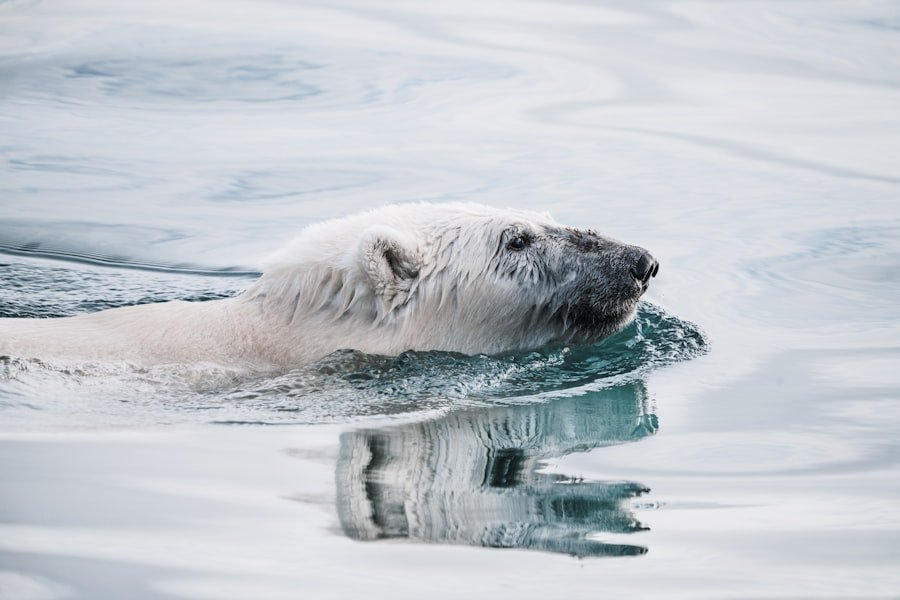
No rest for the weary
Strategic Location and Growing Influence
Today, Greenland occupies a unique position on the global stage. Dwindling resoruces and ultimate control of undiscovered resources means its strategic location between North America and Europe has garnered attention from various nations seeking to expand their influence in the Arctic region. As we consider Greenland’s role in international politics and the unmatched demands from the current US administration, we must acknowledge its potential as a key player in discussions surrounding climate change, resource management, and indigenous rights.
A Voice for Sustainability and Self-Determination
Regardless of what happens in DC, the island’s voice is increasingly being heard in global forums as it advocates for sustainable development and environmental protection. Moreover, Greenland’s pursuit of greater autonomy continues to shape its identity within the Kingdom of Denmark and beyond. The desire for self-determination resonates deeply among its people, who seek to preserve their cultural heritage while navigating modern challenges.
A Future Defined by Sustainability and Social Equity
As we look ahead, it is essential to recognize that Greenland’s future will be defined not only by its natural resources but also by its commitment to sustainability and social equity. Danish values, for right or wrong, have largely brought Greenlands to its current state. In this way, Greenland stands as a testament to resilience—a beacon of hope for indigenous communities worldwide facing similar struggles. If the oil age ever comes online in Greenland, it has the possibility to lift all of Greenland, and by extension the larger community of northern people, to heights never seen. Or it could destroy it, and inadvertently invite foreign powers to control it.

 English