
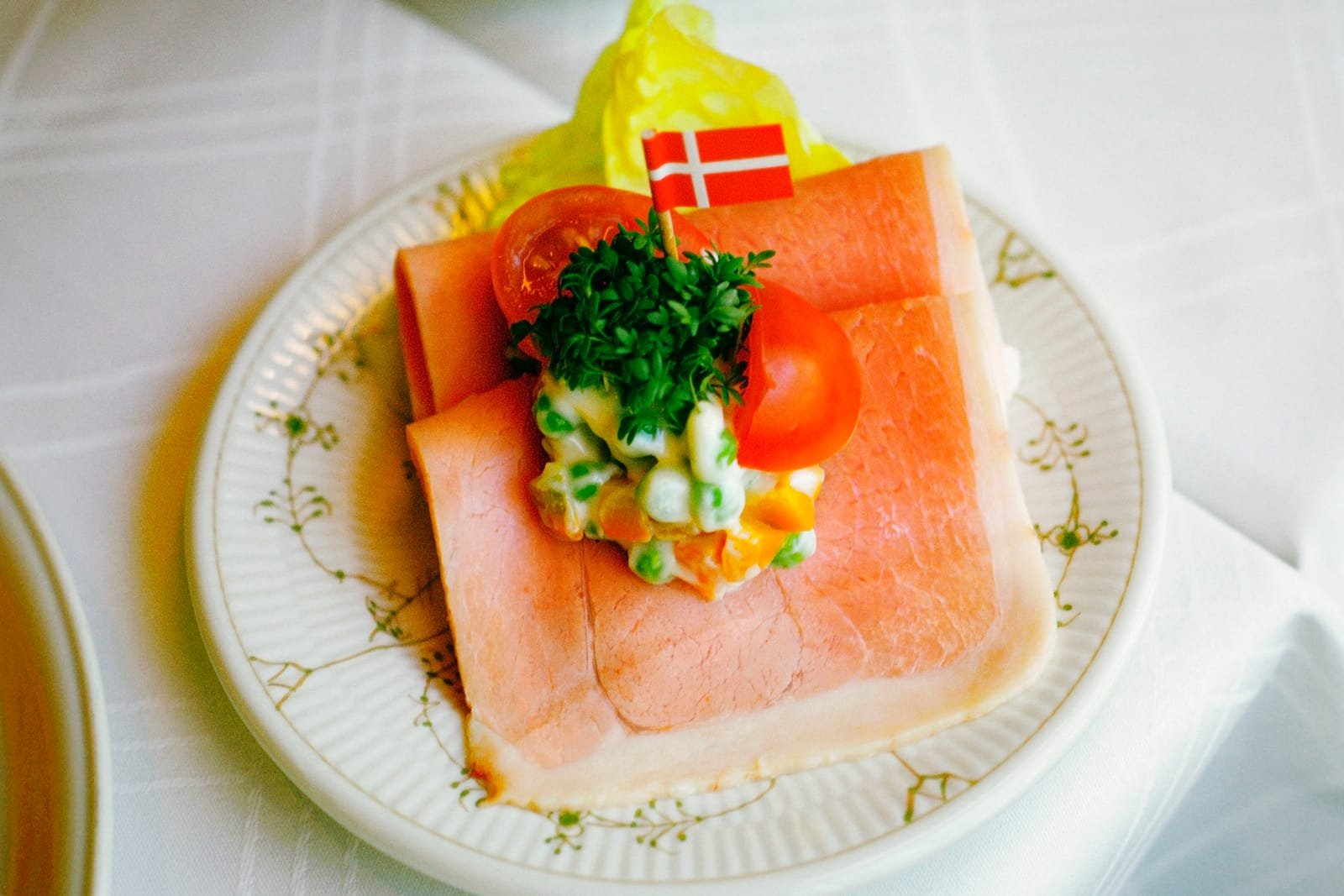
Smørrebrød, pronounced SMOR-BRO, the beloved open-faced sandwich of Denmark, has a history as rich and layered as the toppings that adorn it. Its humble origins can be traced back to the 19th century, a time when Denmark was undergoing significant social and economic changes.
The rise of the middle class brought about a shift in dining habits, and the need for a practical yet satisfying meal led to the creation of this iconic dish.
Initially, smørrebrød was a simple affair, often consisting of a slice of rye bread topped with whatever leftovers were available. This practicality was not only a reflection of the times but also a testament to the Danish spirit of frugality and resourcefulness. As the years rolled on, smørrebrød evolved from humble beginnings into a culinary art form.
By the late 1800s, it had become a staple in Danish cuisine, often served at lunch in homes and restaurants alike. The introduction of various toppings—ranging from pickled herring to roast beef—transformed smørrebrød into a canvas for creativity. Each topping told a story, reflecting regional ingredients and seasonal availability.
The sandwich became more than just food; it became a symbol of Danish identity, showcasing the country’s agricultural bounty and culinary traditions. Today, smørrebrød is celebrated not only in Denmark but also around the world, embodying a rich history that continues to inspire chefs and home cooks alike.
Traditional Ingredients: A Look at the Key Components of Smørrebrød and Their Cultural Significance in Denmark
At the heart of smørrebrød lies its foundation: rye bread. Dense, dark, and slightly sour, this bread is not merely a vehicle for toppings; it is an integral part of the experience. Rye has been a staple in Danish agriculture for centuries, thriving in the country’s cooler climate.
The bread’s robust flavor complements the variety of toppings that can be piled high, making it an ideal base for both savory and sweet combinations.
In Denmark, rye bread is often associated with health and sustenance, reflecting the country’s deep-rooted connection to its agricultural practices.
The toppings are where smørrebrød truly shines, showcasing an array of ingredients that highlight Denmark’s culinary heritage.
Pickled herring is perhaps the most iconic topping, often served with onions and capers. This dish not only represents the country’s maritime culture but also speaks to the importance of preservation techniques in Danish cuisine. Other popular toppings include roast beef with remoulade, shrimp with mayonnaise, and liver pâté garnished with crispy bacon.
Each ingredient carries cultural significance, often tied to local traditions or family recipes passed down through generations. The careful selection and arrangement of these toppings reflect not only culinary skill but also an appreciation for aesthetics—a hallmark of Danish design philosophy.
Modern Variations: How Chefs and Home Cooks are Putting a Contemporary Spin on the Classic Smørrebrød
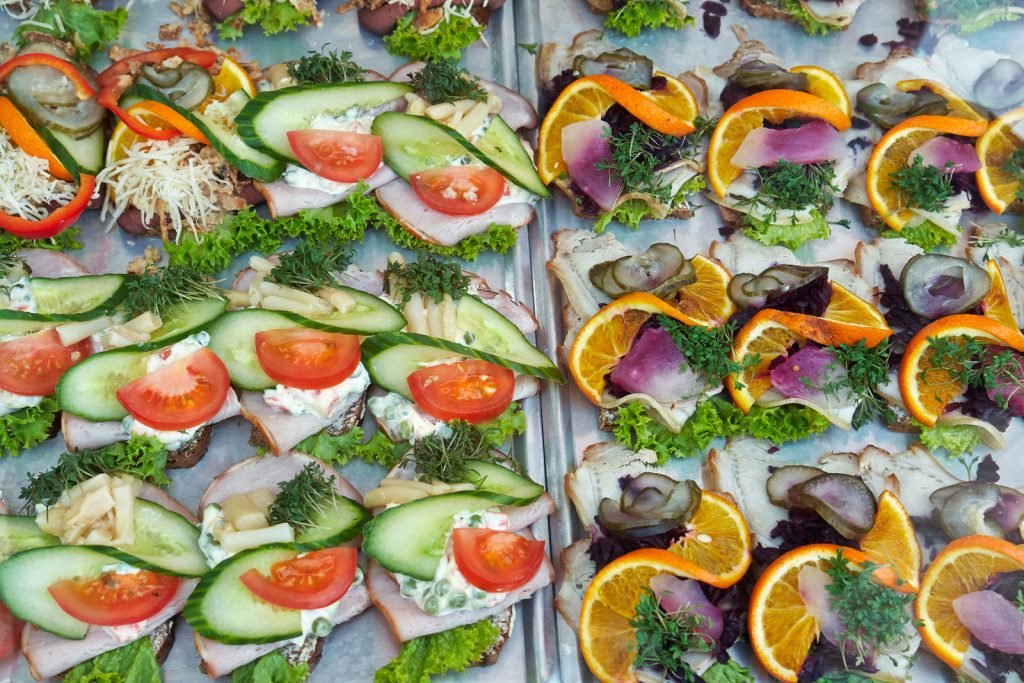
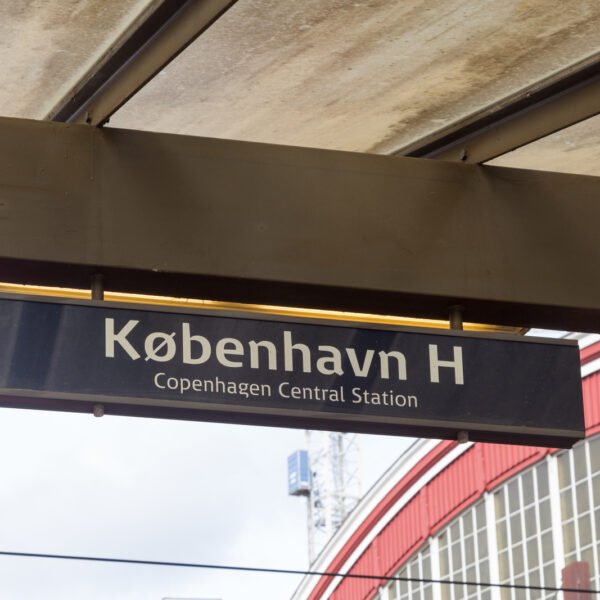
It’s lunchtime in Copenhagen
While traditional smørrebrød holds a special place in Danish hearts, modern chefs and home cooks are breathing new life into this classic dish. The culinary landscape has shifted dramatically in recent years, with an emphasis on sustainability and local sourcing influencing how smørrebrød is prepared and enjoyed. Chefs are experimenting with unconventional ingredients, incorporating elements from global cuisines while still honoring the essence of this beloved sandwich.
That said, nearly anything goes on a smørrebrød.
Imagine a smørrebrød topped with avocado and smoked salmon or perhaps a vegetarian version featuring roasted beetroot and goat cheese—these contemporary twists showcase creativity while maintaining respect for tradition. Home cooks are also embracing this evolution, using smørrebrød as a canvas for personal expression. Social media platforms like Instagram have played a significant role in this trend, with food enthusiasts sharing their colorful creations with followers around the globe.
The visual appeal of smørrebrød lends itself well to photography, encouraging people to experiment with vibrant ingredients and artistic plating techniques. This democratization of food has led to an explosion of ideas, where anyone can put their spin on this classic dish while still celebrating its roots. Whether it’s a casual lunch at home or an elaborate spread for a gathering, modern variations of smørrebrød invite creativity into the kitchen.
Smørrebrød Etiquette: Understanding the Proper Way to Enjoy and Eat this Danish Lunch Tradition
Eating smørrebrød is not merely about satisfying hunger; it’s an experience steeped in tradition and etiquette that reflects Danish culture. When enjoying this open-faced sandwich, there are some unspoken rules that can enhance your dining experience. First and foremost, it’s essential to appreciate the craftsmanship that goes into each piece.
Smørrebrød is often served on a wooden board or plate, beautifully arranged to showcase its colorful toppings. Taking a moment to admire the presentation before diving in is part of the ritual. When it comes to eating smørrebrød, using utensils is generally expected. Danes are largely mortified with hand eating.
A knife and fork allow you to navigate the layers without creating a mess—after all, no one wants to wear their lunch! It’s customary to take small bites, savoring each flavor combination rather than devouring it in one go. This mindful approach not only enhances your enjoyment but also pays homage to the care that went into preparing the dish.
Additionally, sharing smørrebrød with friends or family is common; it’s often served as part of a larger spread where everyone can sample different varieties. This communal aspect fosters connection and conversation, making mealtime a cherished social occasion.
Smørrebrød Around the World: How Denmark’s Open-Faced Sandwich has Gained Popularity in Global Cuisine
In recent years, smørrebrød has transcended its Danish roots to capture the hearts (and stomachs) of food lovers worldwide. As global cuisine continues to evolve and intertwine, this open-faced sandwich has found its way onto menus far beyond Denmark’s borders. From trendy cafes in New York City to upscale restaurants in Tokyo, chefs are embracing smørrebrød as a versatile dish that can be adapted to local tastes while retaining its core identity.
The rise of Nordic cuisine has played a significant role in this phenomenon. As chefs like René Redzepi at Noma have brought attention to Scandinavian ingredients and cooking techniques, smørrebrød has emerged as a symbol of this culinary movement. Food festivals celebrating Nordic flavors have further propelled its popularity, allowing people from diverse backgrounds to experience this unique dish firsthand.
Social media has also contributed to its global appeal; visually stunning images of smørrebrød have gone viral, inspiring home cooks everywhere to recreate their own versions. This cross-cultural exchange not only highlights the adaptability of smørrebrød but also fosters appreciation for Denmark’s rich culinary heritage.
The Future of Smørrebrød: Examining the Impact of Globalization and Changing Food Trends on Denmark’s Beloved Lunch Dish
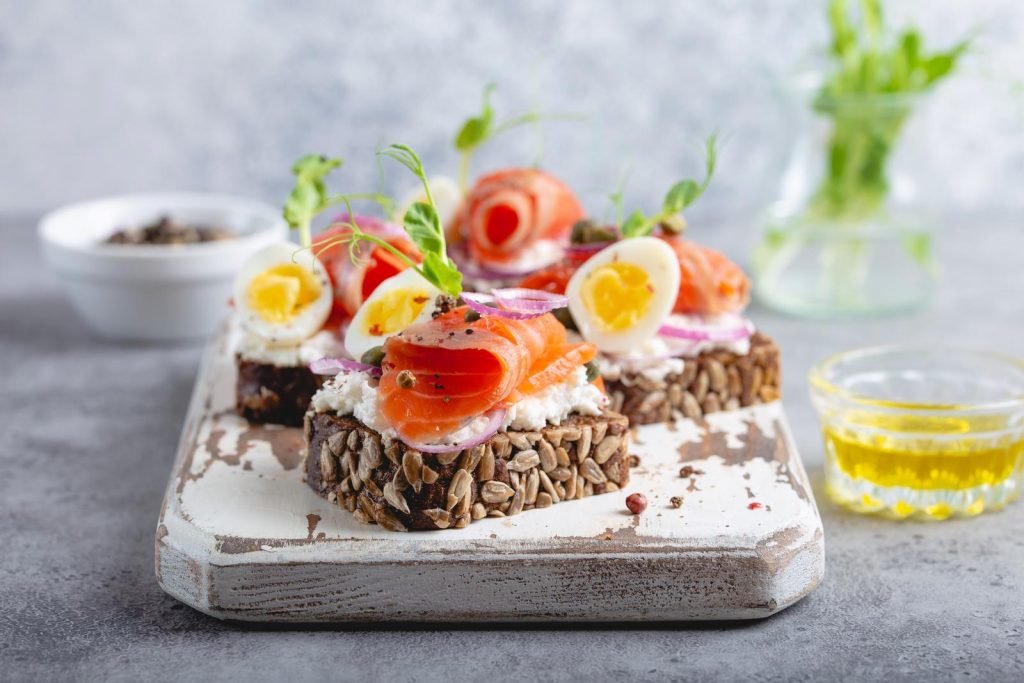
Innovating for a Sustainable Future
As the world becomes more health-conscious and environmentally aware, smørrebrød is presented with an opportunity to innovate and adapt to changing food trends. Chefs are already experimenting with plant-based toppings that mirror classic flavors, catering to the growing demand for sustainable eating practices. This shift could lead to new interpretations of smørrebrød that resonate with younger generations who prioritize sustainability without sacrificing taste.
A Delicate Balance Between Tradition and Modernity
Many Danish chefs remain committed to preserving traditional techniques while embracing modern influences. This delicate balance between innovation and heritage will ensure that smørrebrød continues to evolve while remaining rooted in its rich history. As smørrebrød captures the imagination of Scandinavian food lovers, it will continue to inspire creativity and connection at Danish mealtime.





 English