
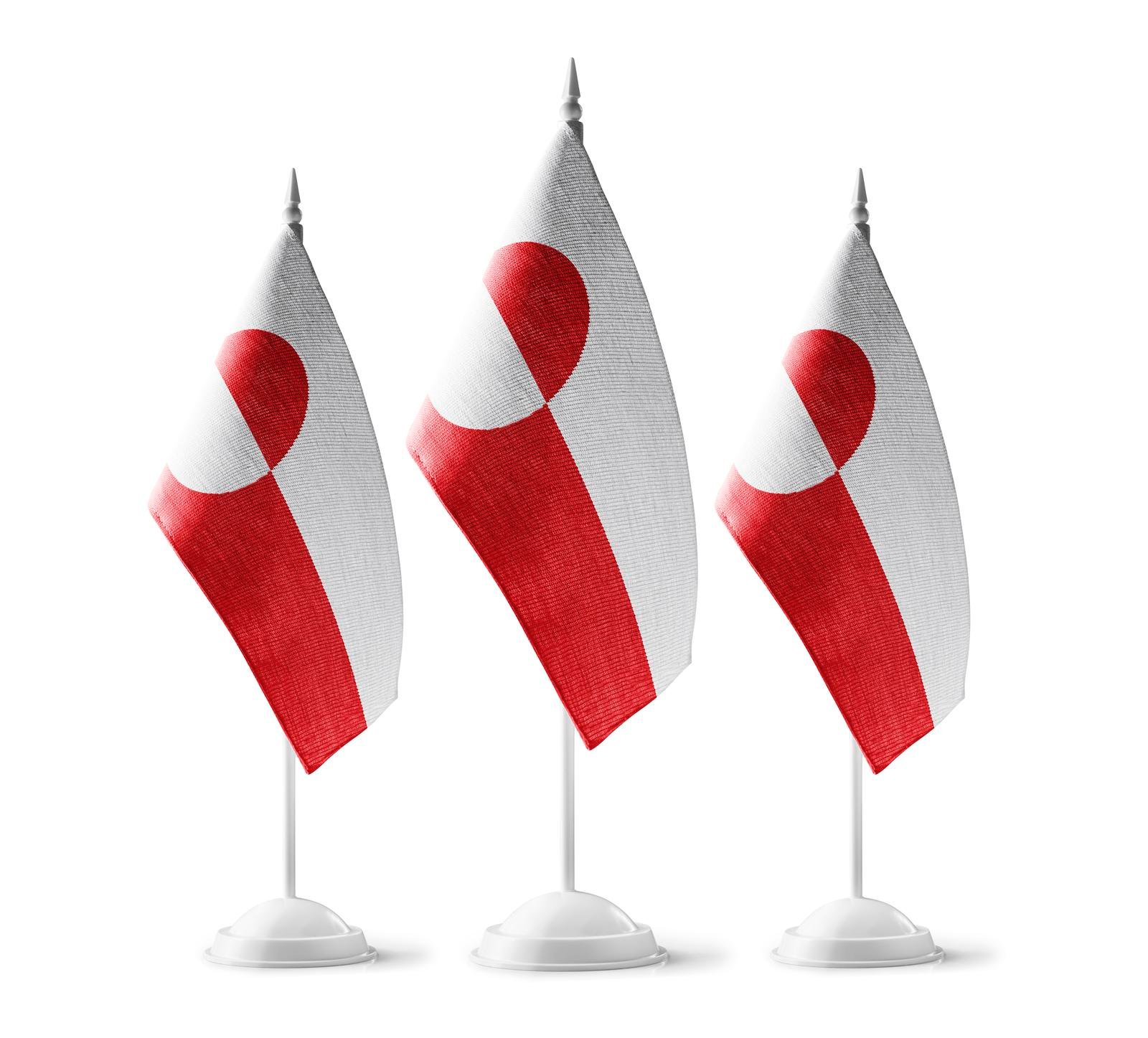
Greenland’s history is a cloth made with threads of exploration, colonization, and cultural exchange, usually at a loss to native Greenlanders. The island was first inhabited by the Thule people around 1000 AD, who thrived in the harsh Arctic environment. However, it wasn’t until the late 15th century and the vikings that European interest in Greenland began to take shape.
Danish explorer Hans Egede arrived in 1721, marking the beginning of a long and complex relationship between Greenland and Denmark. Egede’s mission was not merely one of exploration; he sought to convert the indigenous Inuit population to Christianity and establish a foothold for Denmark in the New World. This marked the start of a colonial era that would significantly alter the course of Greenlandic history.
As Denmark established its presence, it gradually expanded its control over Greenland, leading to the formal annexation of the island in 1776. This period saw the introduction of Danish laws, education systems, and economic structures that often disregarded traditional Inuit practices. The relationship between the two entities was characterized by a paternalistic approach, with Denmark viewing itself as a benevolent guardian of Greenland, while Greenlanders viewed it as anything but, enduring Christianization and industrialism with the industry.
This dynamic fostered resentment among the Greenlandic people, who found their cultural identity increasingly overshadowed by Danish influence. The historical context of this relationship is crucial for understanding the complexities of modern-day Greenland and its ongoing quest for autonomy.
The Impact of Colonialism on Greenland’s Culture and Identity
Colonialism has left an indelible mark on Greenland’s culture and identity, shaping the way its people view themselves and their heritage. The imposition of Danish culture and language led to a gradual erosion of traditional Inuit customs and practices. Schools taught in Danish, and many Greenlanders were encouraged to abandon their native languages in favor of the colonizer’s tongue.
This cultural assimilation was not merely an educational policy; it was a systematic effort to reshape Greenlandic identity. As a result, many Inuit found themselves caught between two worlds, struggling to reconcile their indigenous heritage with the expectations imposed by colonial rule. The impact of colonialism extended beyond language and education; it also influenced social structures and economic practices.
Traditional hunting and fishing methods were often deemed primitive by Danish authorities, leading to a shift towards a more Westernized economy reliant on imported goods and services. This transition disrupted age-old practices that had sustained communities for generations. The loss of traditional livelihoods contributed to a sense of dislocation among the Inuit population, further complicating their relationship with both their land and their identity.
Today, there is a growing movement to reclaim and revitalize these cultural practices, as many Greenlanders seek to reconnect with their roots in an effort to forge a distinct national identity. However, there are now Greenlanders who cannot speak native Greenlandic, and a legacy of Danish influence and history, not all of it good.
The Role of Denmark in Greenland’s Governance and Autonomy
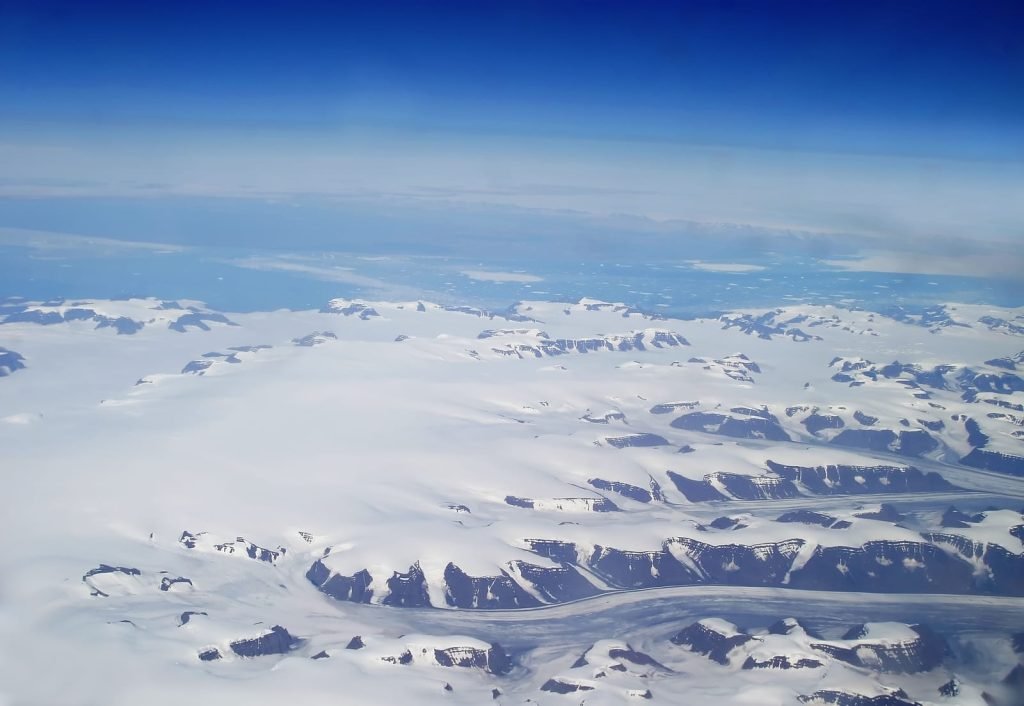
There’s more than snow and rock
Denmark’s governance over Greenland has evolved significantly over the years, particularly in response to growing calls for autonomy from the Greenlandic people.
In 1979, Denmark granted home rule to Greenland, allowing for greater self-governance while still maintaining control over foreign affairs and defense.
This marked a pivotal moment in the relationship between the two entities, as it acknowledged the aspirations of Greenlanders for more control over their own affairs. Denmark continues to foot half of Greenland’s budget.
However, the arrangement was not without its challenges; many felt that true autonomy remained elusive under Danish oversight. In 2009, further steps were taken to enhance Greenland’s self-governance through the Self-Government Act. This legislation granted Greenland greater authority over its natural resources and allowed for more decision-making power in various sectors, including education and health care.
While these developments were celebrated as significant strides toward autonomy, they also highlighted the complexities of governance in a post-colonial context.
The balance between maintaining ties with Denmark and pursuing full independence remains a contentious issue among Greenlanders.
As discussions about governance continue, many are questioning whether true self-determination can be achieved within the existing framework or if a complete break from Denmark is necessary.
The Influence of the United States on Greenland’s Political and Economic Development
The United States has played a notable role in shaping Greenland’s political landscape, particularly during World War II and the Cold War era. The strategic location of Greenland made it an essential ally for the U.S., leading to the takeover of Greenland during World War II and establishment of military bases on the island. The most famous of these is Thule Air Base, which remains operational today.
This military presence has had lasting implications for Greenland’s political development, as it has often been viewed as a double-edged sword—providing economic benefits while also raising concerns about sovereignty and environmental impact. In recent years, after a decline, U.S. interest in Greenland has surged again, driven by climate change and the potential for resource extraction in the Arctic region. Oddly, under current treaties, the US is allowed to expand its military presence. Denmark has freely acknowledged this and will not stand in the way of any such development in line with previous treaties.
As melting ice opens up new shipping routes and access to untapped natural resources, both American businesses and government officials have expressed interest in investing in Greenland’s economy. While this influx of attention could provide much-needed economic opportunities for Greenlanders, it also raises questions about who truly benefits from these developments. A disastrous experiment with foreign smelting led many to believe that such developments are a long way with off. Many Greenlanders are wary of foreign exploitation and are advocating for policies that prioritize local interests over external profit motives.
The challenge lies in navigating this complex relationship while ensuring that Greenlandic voices are heard in discussions about their future.
The Movement for Greenlandic Independence and Self-Determination
The movement for independence in Greenland has gained momentum over recent years as younger generations increasingly assert their desire for self-determination. Fueled by a growing sense of national identity and cultural pride, many Greenlanders are calling for a complete break from Danish rule. This desire is not merely about political autonomy; it encompasses a broader aspiration to reclaim cultural heritage and assert control over natural resources that have long been exploited by foreign powers.
Grassroots organizations have emerged to advocate for independence, emphasizing the importance of recognizing Greenland as a sovereign nation in its own right. These movements often highlight historical injustices stemming from colonialism while promoting a vision for a future where Greenlanders can govern themselves without external interference. The push for independence is also intertwined with environmental concerns, as many activists argue that local governance is essential for sustainable management of natural resources in an era of climate change.
As discussions about independence continue to evolve, it remains clear that the quest for self-determination is deeply rooted in both historical context and contemporary aspirations.
The Importance of Recognizing Greenland as a Sovereign Nation in the Post-Colonial Era
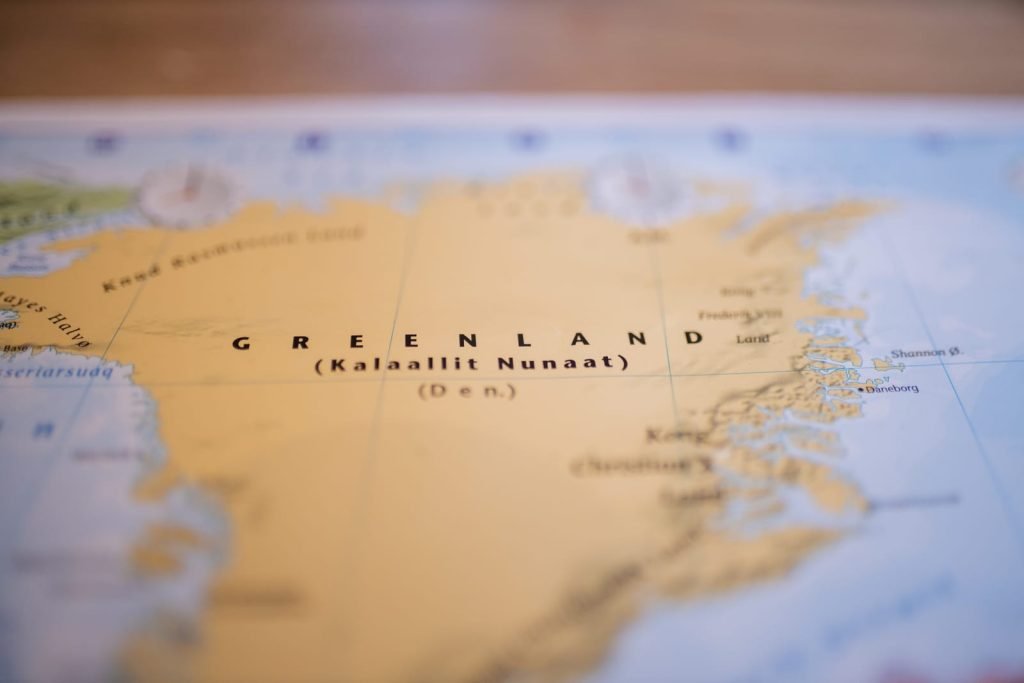
Rectifying Historical Injustices and Fostering Reconciliation
In an increasingly interconnected world, recognizing Greenland as a sovereign nation is not merely an act of political acknowledgment; it is a crucial step toward rectifying historical injustices rooted in colonialism. As nations grapple with their colonial pasts, acknowledging the rights of indigenous peoples becomes paramount in fostering reconciliation and healing. For Greenlanders, sovereignty represents more than just political independence; it embodies the right to self-determination, cultural preservation, and environmental stewardship.
Global Implications and Empowerment
The recognition of Greenland as a sovereign nation would also have significant implications on the global stage. It would empower Greenlanders to engage with international organizations and treaties on their own terms, allowing them to advocate for their interests in matters such as climate change and resource management. Furthermore, acknowledging Greenland’s sovereignty could serve as an example for other indigenous populations worldwide who are seeking recognition and rights within their own nations.
Honoring Dignity and Aspirations
In this post-colonial era, embracing sovereignty is not just about politics; it’s about honoring the dignity and aspirations of those who have long been marginalized. As Greenlanders continue to assert their identity and push for self-determination, they are not only reclaiming their past but also shaping their future. The complexities of their relationship with Denmark, the influence of external powers like the United States, and the ongoing movement for independence all contribute to a situation that deserves attention and more respect. Demanding annexation might have the opposite effect.

 English