
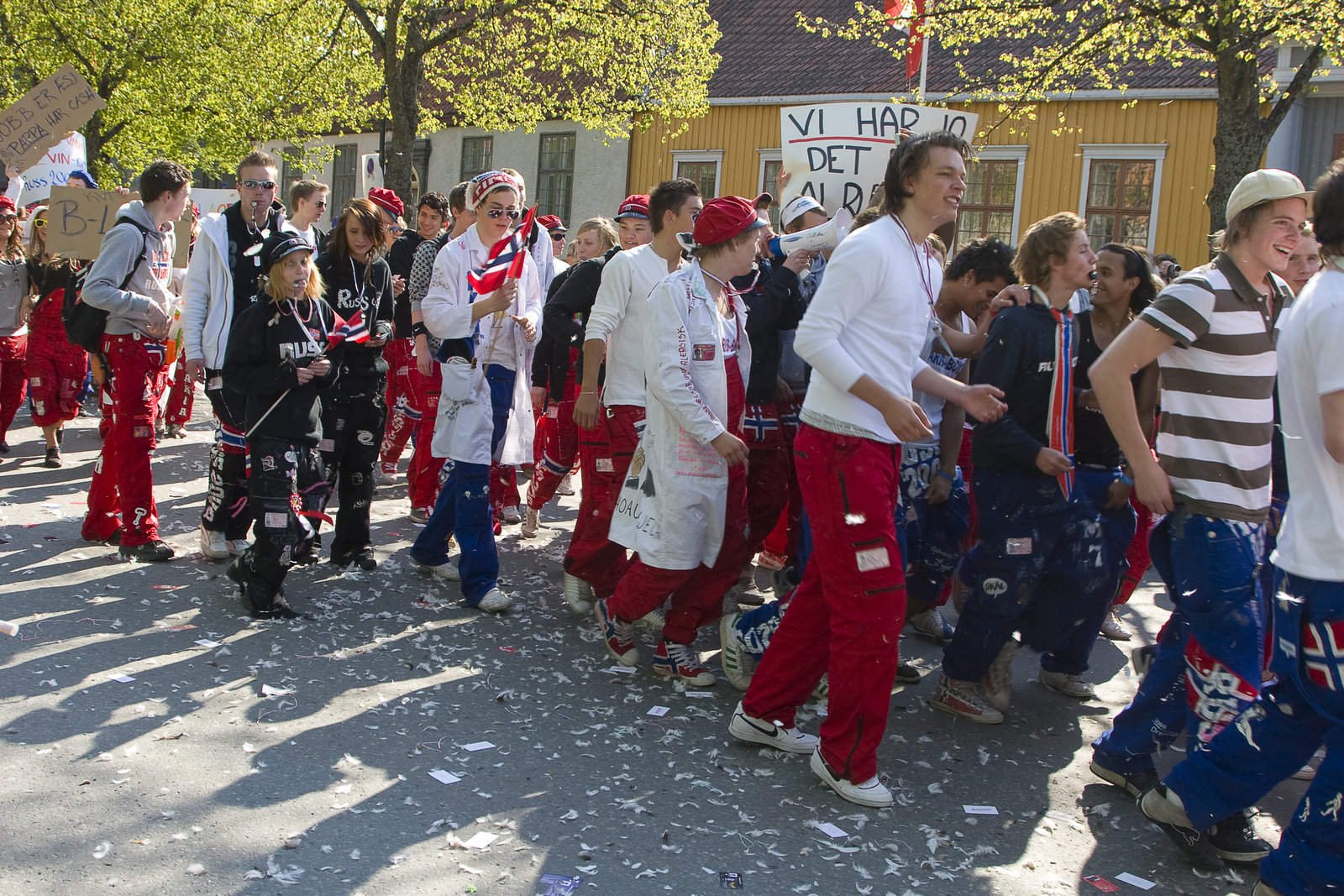
In Norway, the arrival of spring signals not only the thawing of snow and the blooming of flowers but also the onset of a unique cultural phenomenon known as “russ.” This vibrant celebration marks the end of high school for students, who don distinctive red or blue overalls, often adorned with patches and slogans that reflect their personalities and experiences. The “russ” period, which typically runs from late April to early May, is a time of revelry, camaraderie, and a whirlwind of activities that can range from parties to parades. However, beneath the surface of this jubilant tradition lies a complex web of social dynamics, challenges, and concerns that have sparked debates among parents, educators, and authorities alike.
The “russ” phenomenon is not merely a rite of passage; it encapsulates the spirit of youth and freedom. For many students, it represents a final hurrah before stepping into adulthood, a time to celebrate friendships forged over years of schooling. Yet, as with any large-scale celebration, the exuberance can sometimes lead to excesses that raise eyebrows and concern.
The duality of “russ”—its joyous celebration intertwined with potential pitfalls—makes it a fascinating subject for exploration. As we dive deeper into this tradition, we will uncover its historical roots, the challenges it presents to Norwegian society, and the ongoing efforts to ensure that this cherished custom remains a positive experience for all involved.
The tradition of “russ” and its history in Norway
The origins of “russ” can be traced back to the late 19th century when students began celebrating their graduation in a manner that would eventually evolve into the modern-day festivities we see today. Initially, the tradition was relatively modest, with students donning simple attire and engaging in light-hearted activities. However, as time progressed, the celebration grew in scale and complexity.
By the 1970s, “russ” had transformed into a full-blown festival characterized by elaborate costumes, organized events, and a sense of community among participants. At its core, “russ” is about marking a significant transition in life—the leap from adolescence to adulthood. The overalls worn by students symbolize their status as graduates, while the various activities they partake in serve as a rite of passage.
From bus parties to spontaneous street performances, the “russ” experience is designed to foster camaraderie among peers. However, this evolution has not come without its challenges. As the celebration has grown more extravagant, so too have the expectations placed on students to participate fully in the festivities.
This pressure can lead to an overwhelming desire to fit in and partake in all aspects of “russ,” sometimes at the expense of personal well-being.
The rise of “russ” related problems in Norwegian society
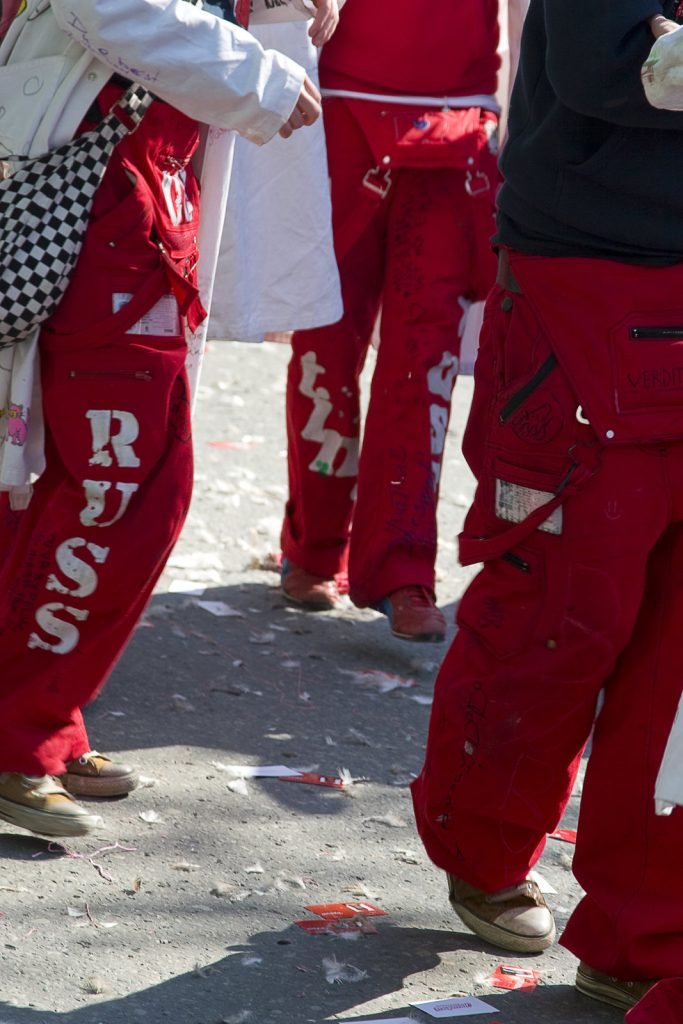
Are you a red russ or a blue russ?
As the “russ” tradition has expanded, so too have concerns regarding its impact on Norwegian society. Reports of excessive drinking, reckless behavior, and even instances of violence during the festivities have raised alarms among parents and educators. The sheer scale of participation—often involving thousands of students across the country—creates an environment where peer pressure can lead to poor decision-making.
The sheer costs involved have risen exponentially, forcing some students to drop out of russ, reducing their involvement in Norwegian society, while forcing others to work extensively for the sake of participation.
For some students, the desire to fully embrace the “russ” experience can overshadow their academic responsibilities and personal safety. Moreover, the normalization of heavy drinking during this period has sparked discussions about alcohol culture among Norwegian youth. While many students approach “russ” with a sense of fun and adventure, others find themselves caught in a cycle of binge drinking that can have lasting consequences.
The rise in alcohol-related incidents during this time has prompted calls for greater awareness and education surrounding responsible drinking habits. As society grapples with these issues, it becomes increasingly clear that while “russ” is a cherished tradition, it also presents significant challenges that need to be addressed.
The impact of “russ” on graduation celebrations and academic performance
The “russ” phenomenon undoubtedly shapes how graduation is celebrated in Norway. For many students, it serves as a capstone experience that encapsulates their high school years. However, this celebration can also have unintended consequences on academic performance.
The weeks leading up to graduation are often filled with parties and events that can distract students from their studies. While some manage to strike a balance between revelry and responsibility, others may find their grades slipping as they prioritize socializing over academics. The pressure to participate fully in “russ” can create an environment where students feel compelled to sacrifice their studies for the sake of fitting in.
This phenomenon raises important questions about the long-term implications for young people as they transition into higher education or the workforce. Are they adequately prepared for the demands that lie ahead? The challenge lies in finding ways to celebrate this important milestone without compromising academic integrity or personal well-being.
“Russ” and the Excessive use of alcohol: a growing concern for Norwegian authorities
One of the most pressing issues surrounding “russ” is its association with alcohol consumption. For many participants, drinking is seen as an integral part of the celebration—a way to bond with friends and let loose after years of hard work. However, this culture of drinking has raised significant concerns among Norwegian authorities who are tasked with ensuring public safety during this chaotic period.
Reports of alcohol-related incidents have prompted calls for intervention and education aimed at promoting responsible drinking habits among youth. Authorities have recognized that while “russ” is a time for celebration, it should not come at the cost of safety or well-being. Initiatives aimed at raising awareness about the dangers of excessive drinking have been implemented in schools and communities across Norway.
These programs seek to educate students about responsible alcohol consumption while also providing support for those who may struggle with substance use during this high-pressure time. The challenge remains: how can society preserve the spirit of “russ” while mitigating its potential risks?
The role of “russ” in bus-related incidents and accidents
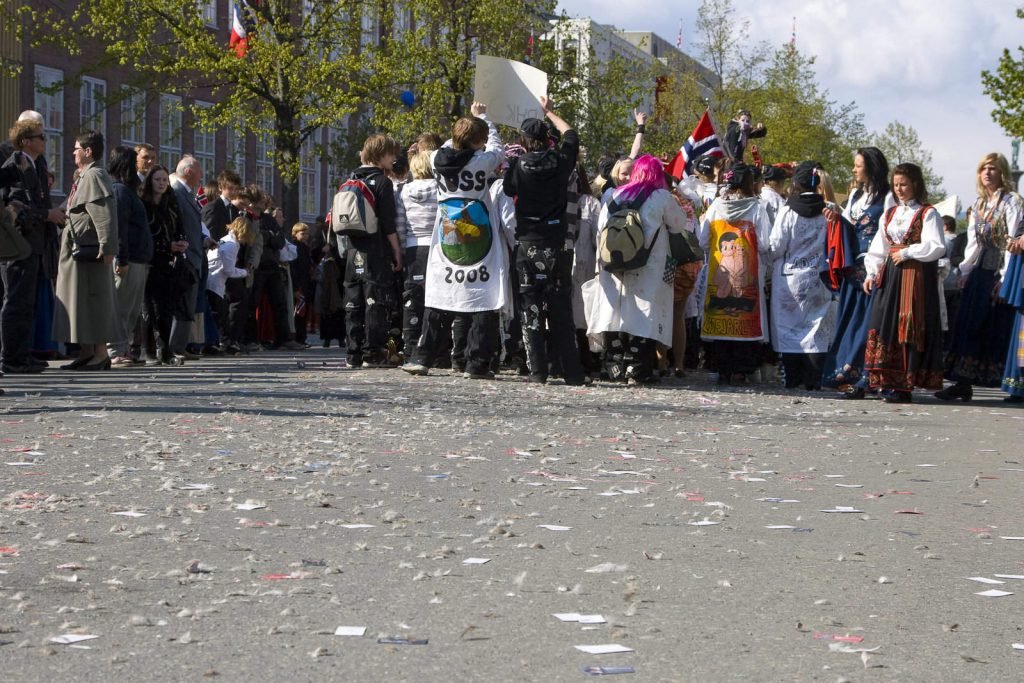
Fun but at what cost?
The iconic “russ” buses are a hallmark of the celebration—colorful vehicles adorned with decorations that serve as mobile party hubs for graduates. However, these buses have also become synonymous not only with exorbitant costs but with reckless behavior and accidents during the festivities. Instances of injuries while moving (dancing), overcrowding, and even vandalism have raised serious concerns about safety on the roads during this period.
The combination of youthful exuberance and alcohol consumption can create a perfect storm for accidents that put both participants and innocent bystanders at risk. In response to these incidents, authorities have begun implementing stricter regulations regarding bus use during “russ.” This includes measures such as mandatory safety checks and guidelines for responsible driving practices. While these efforts aim to reduce accidents and ensure safer celebrations, they also highlight the need for greater awareness among participants about their responsibilities as drivers and passengers.
As long as buses remain central to the “russ” experience, addressing these safety concerns will be crucial for preserving both the tradition and public safety.
Measures taken by Norwegian authorities to address the “russ” problem
Recognizing the challenges posed by the “russ” phenomenon, Norwegian authorities have taken proactive steps to address various issues associated with the celebration. Educational campaigns aimed at promoting responsible drinking habits have been launched in schools across the country. These initiatives focus on equipping students with knowledge about alcohol consumption while encouraging open discussions about peer pressure and personal choices.
Additionally, local governments have collaborated with schools and community organizations to create safe spaces for students during “russ.” This includes organizing alternative events that provide opportunities for graduates to celebrate without relying solely on alcohol or risky behavior. By fostering an environment where students feel supported in making positive choices, authorities hope to mitigate some of the negative aspects associated with “russ.” These measures reflect a growing recognition that while traditions are important, they must evolve to prioritize health and safety.
The future of the “russ” tradition in Norway and potential solutions to mitigate its negative impact
As Norway continues to grapple with the complexities surrounding “russ,” discussions about its future are becoming increasingly relevant. While many cherish this tradition as an essential part of their high school experience, there is a collective understanding that changes may be necessary to ensure its sustainability. Potential solutions could include reimagining aspects of the celebration to emphasize community engagement rather than excessive partying.
One promising avenue is fostering greater collaboration between schools, parents, and local authorities to create a more supportive environment for graduates. By encouraging open dialogue about expectations and responsibilities during “russ,” stakeholders can work together to promote healthier celebrations that prioritize well-being over excess.
Additionally, integrating educational components into the festivities—such as workshops on responsible drinking or discussions about mental health—could empower students to make informed choices during this pivotal time.
Ultimately, preserving the spirit of “russ” while addressing its challenges will require a collective effort from all corners of society. As Norway navigates this delicate balance between tradition and responsibility, there is hope that future generations will be able to celebrate their achievements in ways that honor both their past and their future aspirations.



 English