
Stockholm, the capital of Sweden, is a city that effortlessly blends history with modernity, and its airports are no exception. The two main airports serving the city (there are four, but you’ll probably only go to two) are Arlanda Airport (ARN) and Bromma Airport (BMA). Arlanda, located about 40 kilometers north of the city center, is the larger of the two and handles most international flights.
It’s a sprawling facility with multiple terminals, each equipped with shops, restaurants, and services to cater to travelers.
On the other hand, Bromma is much closer to the city, just about 8 kilometers away, and primarily serves domestic flights along with a few international routes. This proximity makes it a convenient option for those traveling within Sweden or to nearby countries.
Navigating from these airports to the city center is relatively straightforward, thanks to a well-organized transportation network under the SL transport company. From Arlanda, you can hop on the Arlanda Express train, which whisks you into Stockholm Central Station in about 20 minutes. Alternatively, there are buses and taxis available for those who prefer a more leisurely pace or have a lot of luggage.
Bromma Airport offers a more limited selection of transport options, but the airport shuttle bus can get you to the city in around 30 minutes. Understanding these layouts and transport options can save you time and stress upon arrival, allowing you to dive straight into the vibrant life of Stockholm.
Navigating Stockholm’s Efficient Metro System
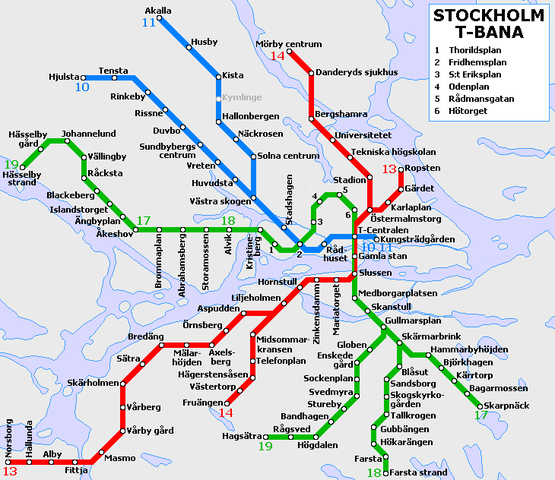
Once you’re in the heart of Stockholm, the metro system—known as Tunnelbana or T-bana—becomes your best friend. This underground network is not only efficient but also impressively extensive, covering three main lines: green, blue, and red. Each line branches out into various directions, making it easy to reach popular destinations like Gamla Stan (the Old Town), Södermalm, and Djurgården.
The trains run frequently, typically every 5-10 minutes during peak hours, so you won’t find yourself waiting long. What sets Stockholm’s metro apart from others is its artistic flair. Many stations are adorned with stunning murals, sculptures, and installations that transform your commute into a mini art tour.
For instance, the T-Centralen station features a striking blue cave-like design that’s worth seeing even if you’re not catching a train. With over 100 stations in total, each with its own unique character, riding the metro can be an adventure in itself. Some of the stations are works of art – you can even find an app to help guide you through the pieces. Just remember to grab a SL card for easy access; it’s valid for all public transport in the city and can be topped up as needed.
Exploring the City with Stockholm’s Extensive Bus Network
While the metro is fantastic for getting around quickly, Stockholm’s bus network offers an equally comprehensive way to explore the city. Buses cover areas that the metro doesn’t reach, making them essential for accessing neighborhoods like Norrmalm or Östermalm. The bus system is well-integrated with other forms of public transport, meaning you can easily transfer from a bus to a metro or tram without missing a beat.
One of the highlights of taking a bus in Stockholm is the opportunity to see the city above ground. As you ride through various districts, you’ll catch glimpses of local life—charming cafes, bustling markets, and beautiful parks. The buses are clean and comfortable, equipped with digital displays that announce upcoming stops in both Swedish and English.
If you’re feeling adventurous, consider taking a bus to some of the outer suburbs; you might stumble upon hidden gems that aren’t on the typical tourist radar.
Getting Around with the Charming Trams and Rails of Stockholm
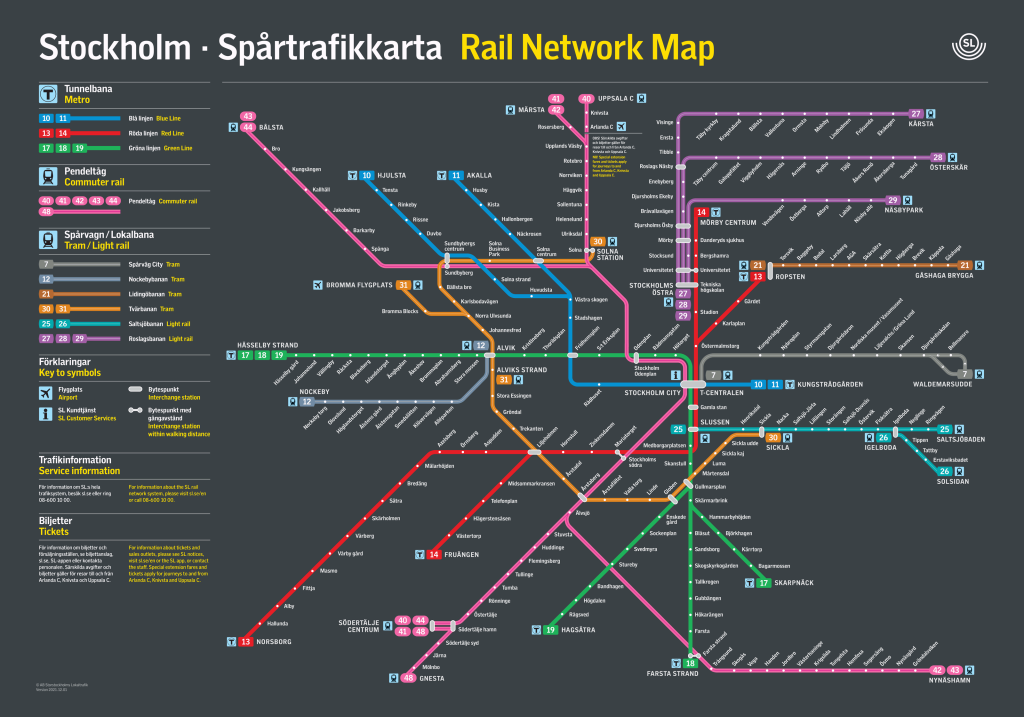
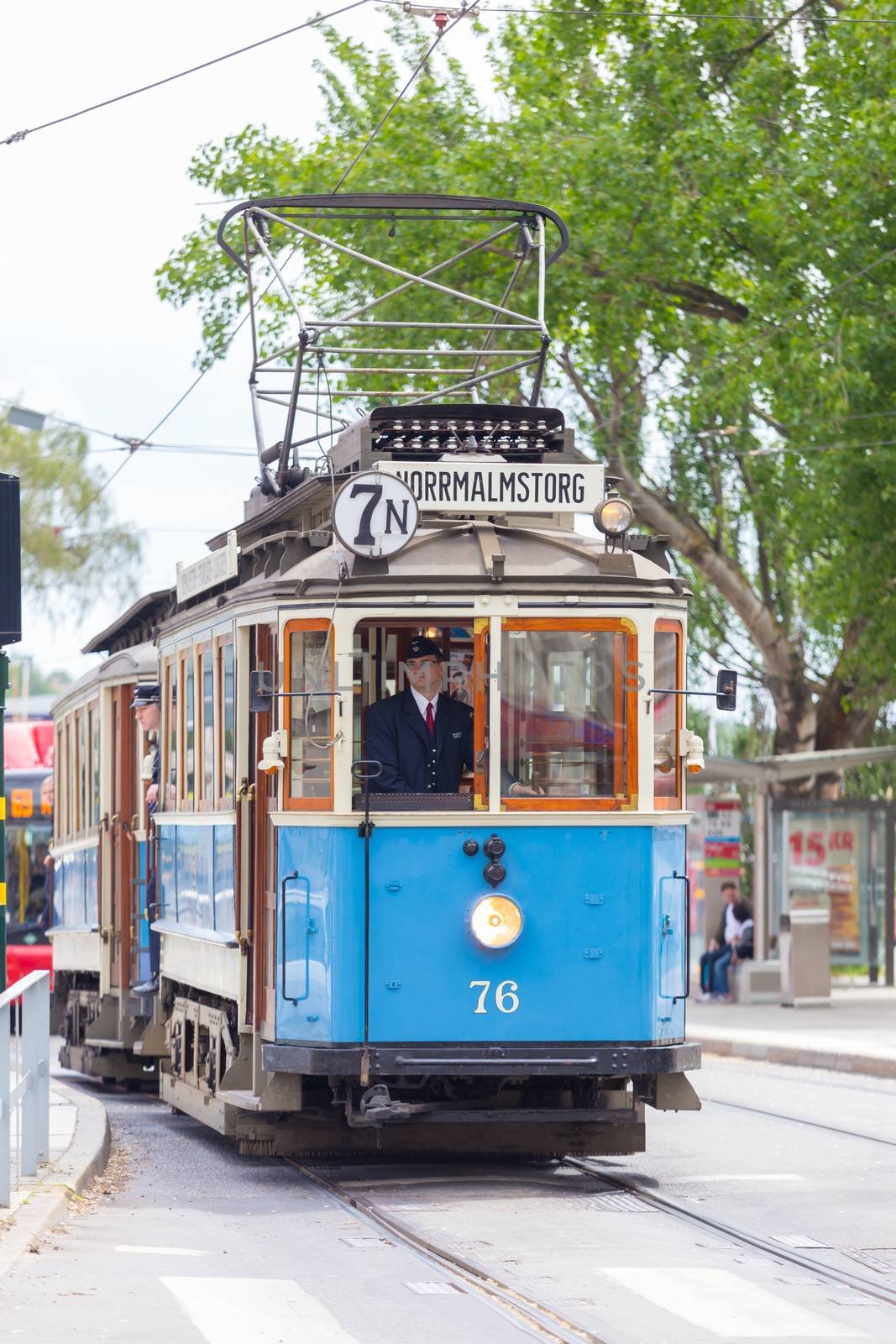
Trams add a delightful touch to Stockholm’s transportation landscape. While they may not be as extensive as the metro or bus systems, they offer a unique way to experience the city’s charm. The most notable tram line is Line 7, which runs from Djurgården through Östermalm and into Norrmalm. If you’re lucky, you might be able to catch a preserved tram.
This route takes you past some of Stockholm’s most picturesque sights, including the Royal Palace and the waterfront.
Riding a tram feels like stepping back in time; many of them have retained their vintage charm while still being modernized for comfort and efficiency. The trams are particularly enjoyable during warmer months when you can open the windows and feel the breeze as you glide through the streets.
Plus, they’re an excellent option for those who want to take their time exploring different neighborhoods without worrying about navigating on foot or finding parking.
Considering Taxi Services for Convenience and Comfort
For those moments when public transport doesn’t quite fit your needs—perhaps you’re traveling with heavy luggage or late at night—taxis can be a convenient alternative. In Stockholm, taxis – use the Sixt app to hail a taxi – are readily available at designated taxi stands throughout the city and can also be hailed on the street or booked via apps like Uber or Bolt. While they may be pricier than public transport options, taxis offer door-to-door service that can be invaluable after a long day of sightseeing. Taxi 020, Taxi Stockholm, and Taxi Kurir are a few of the companies available.
One thing to keep in mind is that taxi fares in Stockholm can vary significantly depending on the company you choose. It’s wise to check rates beforehand or ask your hotel for recommendations to avoid any surprises. Additionally, taxis accept credit cards, but it’s always good practice to confirm before getting in. Tips are not needed unless the driver saved you or you’re feeling generous.
If you’re looking for comfort and convenience—especially after a long flight or during inclement weather—taxis can be a great way to navigate the city.
Comparing the Pros and Cons of Each Transportation Option
When it comes to getting around Stockholm, each transportation option has its own set of advantages and disadvantages. The metro system is undoubtedly one of the fastest ways to traverse the city; however, it may not reach every corner you want to explore. Buses fill in those gaps nicely but can sometimes be slower due to traffic conditions.
Trams offer a scenic route but are limited in coverage compared to buses and metros. Taxis provide unmatched convenience but come at a higher cost. If you’re traveling solo or in a small group, this might not be an issue; however, larger groups may find public transport more economical.
Ultimately, your choice will depend on your specific needs—whether you prioritize speed, cost-effectiveness, or comfort—and how much time you have to explore this beautiful city.
Tips for Efficiently Traveling Between Stockholm’s Airports and the City Center
Traveling between Stockholm’s airports and the city center can be seamless if you plan ahead. First off, consider your arrival time; if you’re landing late at night or early in the morning, check which transport options are available during those hours. The Arlanda Express operates until late evening but may have reduced service during off-peak hours.
Bromma Airport has limited public transport options at night as well. Another tip is to purchase your SL card ahead of time if possible; this will save you from fumbling around for cash or cards upon arrival. If you’re flying into Arlanda and plan on using public transport frequently during your stay, consider getting an SL card that covers multiple days—it can save you both time and money.
Keep an eye on your luggage; while Sweden is generally safe, it’s always wise to stay vigilant in crowded areas like train stations. Malmo Station in particular has been known for issues but generally, these issues are gang-related and tourists are generally safe. Lastly, why are the airports so far from the city in Stockholm? Environmentalism and noise control, but that won’t change the fact that they’re a long way from the city.







 English