
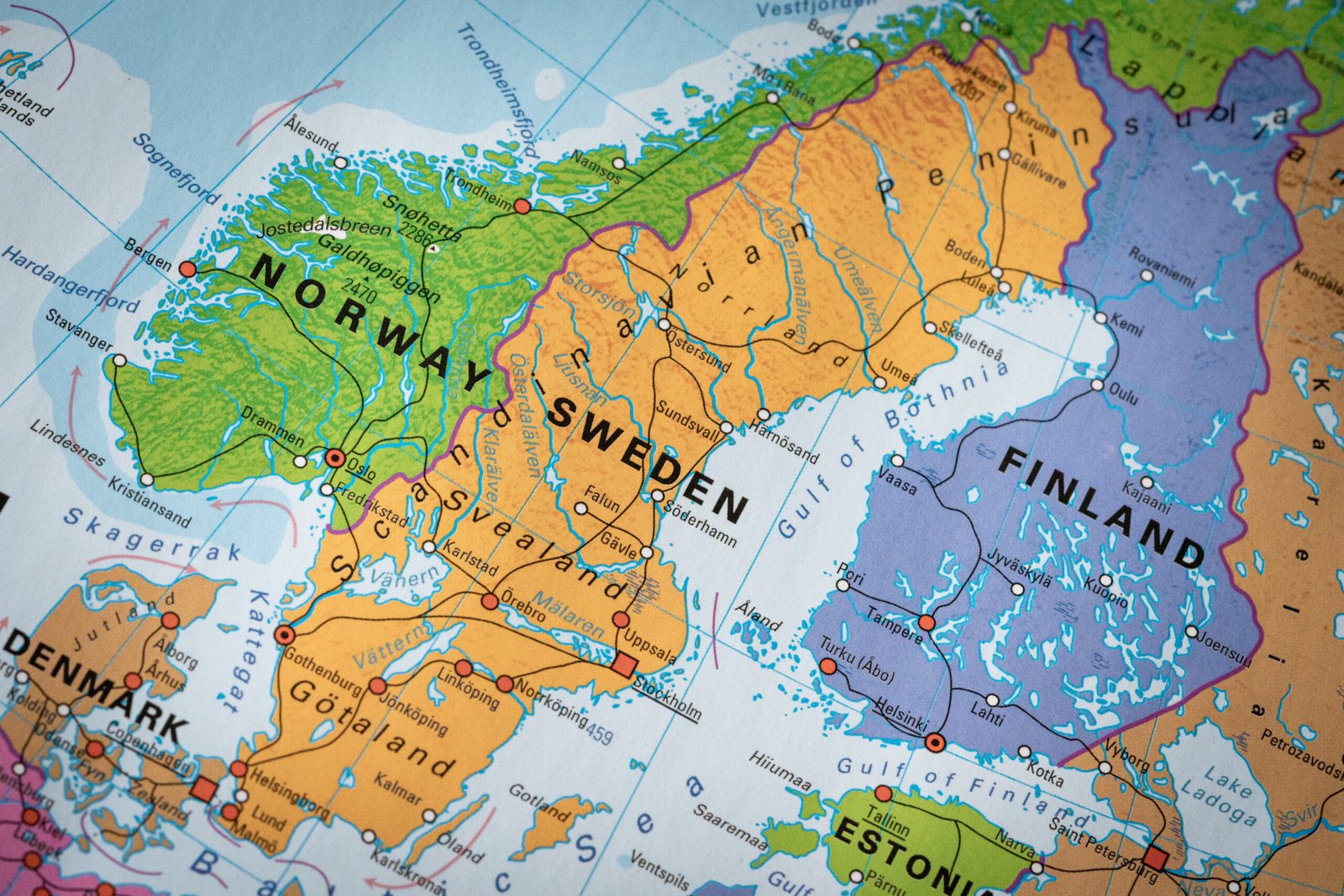
Scandinavia and the Nordic region are gaining global attention as top travel destinations in 2026. What made them popular is not a fad, it’s a measurable shift in traveler behavior toward cooler, nature-first holidays. This trend is now known as coolcations — vacations in cooler climates rather than the typical sun-soaked summer hotspots. (euronews)
What Is Driving the Nordic Travel Boom
Travelers from southern Europe, North America, and Australia are increasingly avoiding extreme summer heat and crowded Mediterranean destinations. Instead, they’re choosing Denmark, Sweden, Norway, Finland, Iceland, and even Greenland for mild temperatures, natural landscapes, and sustainable experiences. Search interest for cooler holiday options has grown sharply in recent years. (euronews)
Market data confirms this is real. In 2024–2025, Virtuoso, a global travel network, reported a 44% increase in travel bookings to cooler destinations, including Nordic countries. Dragon Pass, another travel provider, saw bookings for Scandinavia grow over 100% in one year, with continued growth expected in 2025–2026. (euronews)
More Europeans are searching for Nordic travel, especially northern Sweden and Norway, with flights from southern hubs sometimes up 50% year-on-year. Summer season arrivals at major airports like Copenhagen reached record levels. (All Things Nordic)
Coolcations Across the Region
Each country in the Nordic region is benefiting in its own way:
- Iceland stands out for dramatic glacier landscapes, volcanoes, hot springs, and nearly 24-hour daylight in summer, perfect for adventure travel and outdoor activities. (euronews)
- Norway attracts visitors with fjords, mountains, and small towns like Ålesund, and cities like Bergen are seeing heavy summer traffic. (All Things Nordic)
- Sweden draws with lakes, archipelagos, design cities, and forest retreats. (The Nordic Nomad)
- Finland sees strong growth in international overnight stays, especially in wilderness areas and winter destinations like Lapland. (ilag.nordnorge.com)
- Denmark blends city culture with seaside calm, and Danish design and food scenes are part of the draw. (All Things Nordic)
- Greenland is emerging as a remote wilderness destination with massive icebergs and unspoiled landscapes. (euronews)
Sustainability partly explains demand. The Nordics have strong renewable energy systems, extensive public transport, and eco-certified lodgings that fit cleaner travel preferences. (The Nordic Nomad)
New Ways People Travel
Not every trip looks the same. Trends include:
- Noctourism — travel focused on night experiences like stargazing or chasing the Northern Lights, with many visitors planning trips around darker skies and solar activity peaks. (Nordis Travel)
- Off-peak travel — more adults and solo travelers choose shoulder seasons for quieter landscapes, lower costs, and less crowding. (Off the Map Travel)
- Quietcation travel — people seek calm, nature, and slower pacing over busy city trips. (Norwegian)
Challenges and Responses
Rising tourism has downsides. Outdoor hotspots like national parks and fjords are under pressure from heavier visitor numbers, and some cities are planning tourism taxes to fund infrastructure and reduce strain. (All Things Nordic)
Nordic governments and tourism boards are adapting policies to spread visits across seasons and regions, and to maintain nature protection while supporting travel demand. (All Things Nordic)
What It Means for Travelers
If you plan a Nordic trip in 2026:
- Expect mild summer weather and long daylight.
- Book early to secure accommodation and transport for peak months.
- Explore multiple seasons — autumn foliage, winter lights, spring renewal.
- Look for sustainable options like trains, bikes, and eco-certified stays.
Sources You Can Read
Here are key sources for context on this trend:
- Euronews on coolcations in Norway, Finland and Iceland — https://www.euronews.com/travel/2025/04/21/coolcations-why-more-people-are-flocking-to-destinations-in-norway-finland-and-iceland-this-summer (euronews)
- All Things Nordic on travel growth and impacts — https://all-things-nordic.com/2025/11/01/coolcations-the-rise-of-low-temperature-holidays-in-the-high-north/ (All Things Nordic)
- NordicNomad on why the Nordics pioneer coolcations — https://thenordicnomad.com/insider-guides/why-the-nordics-are-the-true-pioneers-of-the-coolcation-travel-trend/ (The Nordic Nomad)
- Norwegian Airlines travel trends for 2026 — https://www.norwegian.com/uk/inspiration/tips/top-travel-trends/ (Norwegian)




 English