
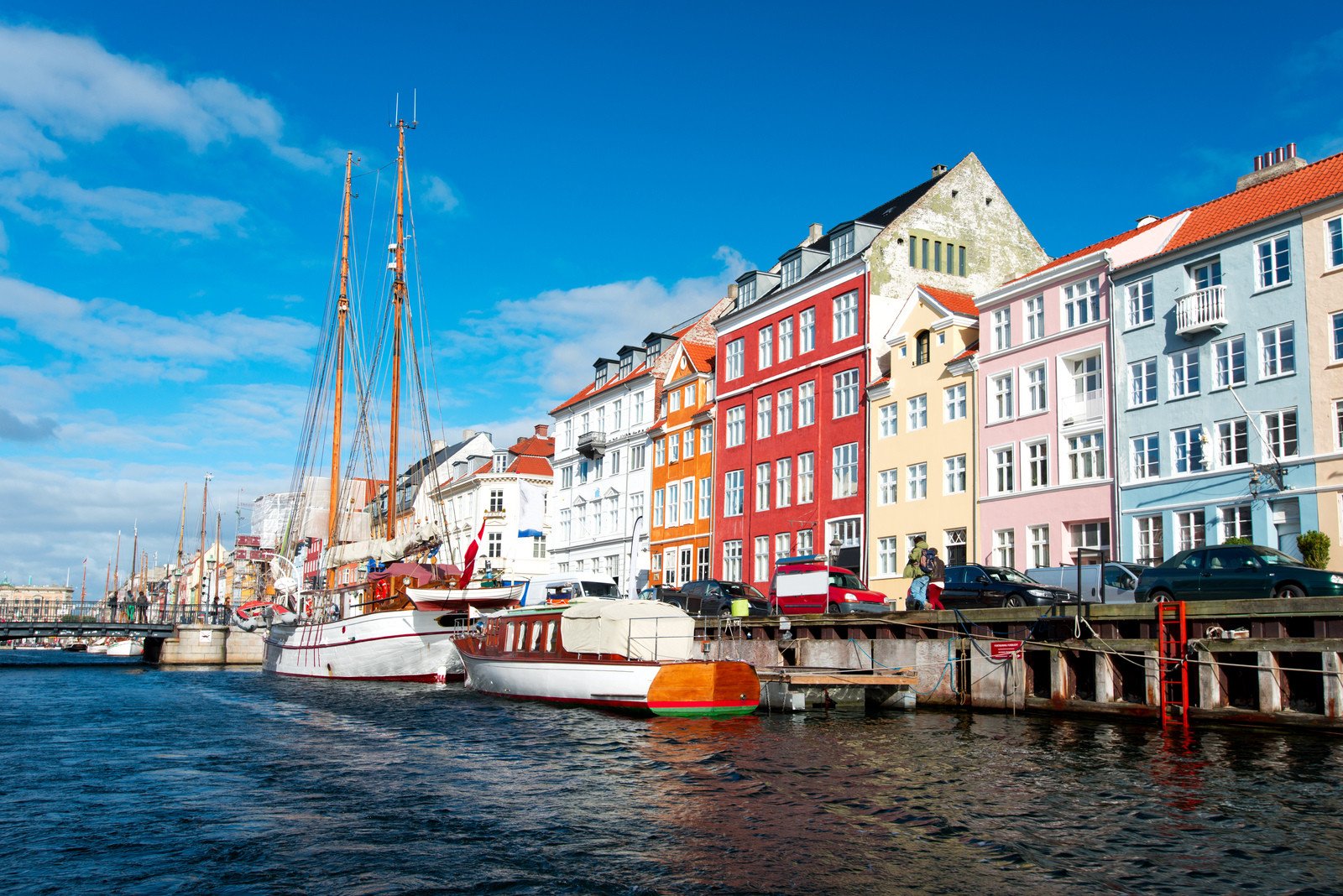
Copenhagen has recently snagged the title of the most liveable city in the world, according to the Economist Intelligence Unit (EIU). This accolade isn’t just a feather in the cap for the Danish capital; it’s a testament to years of thoughtful urban planning, social welfare policies, and a commitment to sustainability. The EIU’s annual Global Liveability Index evaluates cities based on various factors, including stability, healthcare, culture, environment, education, and infrastructure.
Copenhagen consistently scores high across these categories, making it a shining example of what a modern city can achieve when it prioritizes the well-being of its residents. The charm of Copenhagen lies not only in its picturesque canals and historic architecture but also in its vibrant cultural scene and progressive values. The city has become a magnet for expats and tourists alike, drawn by its reputation for safety, cleanliness, and a strong sense of community.
The EIU’s ranking reflects a growing recognition that liveability is about more than just aesthetics; it encompasses the overall quality of life that residents experience daily. As cities around the globe grapple with challenges like climate change and urban sprawl, Copenhagen stands out as a model for sustainable living and urban resilience.
Factors Contributing to Copenhagen’s High Quality of Life
Several factors contribute to Copenhagen’s high quality of life, making it a desirable place to live. One of the most significant is the city’s commitment to sustainability. Copenhagen aims to become the world’s first carbon-neutral capital by 2025, and this ambitious goal has led to extensive investments in green infrastructure.
From an extensive cycling network that encourages residents to ditch their cars to innovative waste management systems that recycle nearly half of the city’s waste, Copenhagen is setting a standard for environmental responsibility. This focus on sustainability not only benefits the planet but also enhances the overall quality of life for its residents. Another key factor is the robust social welfare system that Denmark is known for.
The government provides comprehensive healthcare, free education, and generous parental leave policies, which contribute to a sense of security among residents. This safety net allows people to pursue their passions without the constant worry of financial instability. Moreover, the emphasis on work-life balance is palpable in Copenhagen.
Many companies promote flexible working hours and encourage employees to take time off for personal pursuits, fostering a culture where well-being is prioritized over mere productivity.
The Expensive Reality of Living in Copenhagen

Great restaurants, but it’ll cost you
While Copenhagen boasts an enviable quality of life, it comes with a hefty price tag. The cost of living in this Scandinavian gem can be daunting for newcomers and even locals who have lived there for years. Housing is one of the most significant expenses, with rental prices soaring in popular neighborhoods.
A cozy one-bedroom apartment in the city center can easily set you back several thousand kroner each month. For those who dream of living in this picturesque city, it’s essential to brace for sticker shock when it comes to real estate. Food and entertainment also contribute to the high cost of living.
Dining out at restaurants can be a delightful experience, but it often comes with a bill that leaves your wallet feeling lighter than expected. Even grocery shopping can be pricier than in many other countries, as Denmark has high taxes on goods and services. While these costs reflect the high standards of living and quality products available, they can be a rude awakening for those who are used to more affordable options elsewhere.
Comparing Copenhagen’s Cost of Living to Other Liveable Cities

The only way is up
Comparing Copenhagen to Other Liveable Cities
When comparing Copenhagen’s cost of living to other highly liveable cities around the world, it becomes clear that it occupies a unique position. Cities like Vienna or Melbourne may also rank highly on liveability indexes but often offer lower housing costs or cheaper dining options. For instance, while Vienna boasts an impressive public transport system and rich cultural offerings at relatively affordable prices, Copenhagen’s costs can feel steep by comparison.
Looking Beyond the Numbers
However, it’s essential to consider what these rankings mean beyond mere numbers. The quality of services provided in Copenhagen—such as healthcare and education—often justifies higher living costs for many residents. Moreover, cities like Zurich or Sydney may have similar price tags but lack some of the social safety nets that Denmark provides.
A Unique Blend of Quality and Community
Ultimately, while Copenhagen may not be the cheapest option on the list of liveable cities, its unique blend of quality services and community spirit makes it an attractive choice for many.







 English