
| Country | Number of Wins | Notable Winners |
|---|---|---|
| Sweden | 7 | ABBA (1974), Loreen (2012, 2023), Måns Zelmerlöw (2015) |
| Norway | 3 | Bobbysocks! (1985), Alexander Rybak (2009), Secret Garden (1995) |
| Denmark | 3 | Olsen Brothers (2000), Emmelie de Forest (2013), Leonora (2019) |
| Finland | 1 | Lordi (2006) |
| Iceland | 0 | None |
Every spring, the air in Europe crackles with excitement as the Eurovision Song Contest rolls around. This annual spectacle, which began in 1956, has become a beloved tradition, particularly in Scandinavia. For many, it’s not just a music competition; it’s a cultural phenomenon that brings together nations, ignites friendly rivalries, and showcases the continent’s diverse musical talent.
The contest has evolved from its humble beginnings into a grand event that attracts millions of viewers worldwide, with Scandinavian countries often leading the charge. In Scandinavia, Eurovision is more than a mere television show; it’s a celebration of identity and creativity. Each year, countries like Sweden, Norway, Denmark, Finland, and Iceland prepare for the contest with fervor.
National selection shows become the talk of the town, with fans passionately supporting their favorite artists. The excitement builds as the date approaches, and living rooms across the region transform into makeshift viewing parties.
Friends gather to cheer on their representatives, armed with snacks and drinks, ready to critique performances and vote for their favorites.
This communal experience fosters a sense of belonging and pride that transcends borders.
LGBTQ+ Inclusivity in Eurovision
A Sense of Solidarity
This has deeply resonated with audiences, fostering a sense of solidarity among individuals who have often felt marginalized by society. The celebration of LGBTQ+ culture at Eurovision is not just a side note; it is intricately woven into the fabric of the event. Iconic performances often boast flamboyant costumes, bold choreography, and messages of love and acceptance.
A Beacon of Hope
The contest has become a beacon of hope for many in the LGBTQ+ community, showcasing that love knows no boundaries. In recent years, countries like Sweden have taken this commitment to heart, with artists like Måns Zelmerlöw and Loreen not only winning the contest but also becoming symbols of pride and representation. Their success has inspired countless others to embrace their true selves and pursue their dreams without fear.
Inspiring a Generation
Their success has inspired a generation of young people to be proud of who they are, without fear of persecution or rejection. Eurovision’s commitment to inclusivity has created a safe space for people to express themselves freely, and this is something that should be celebrated and cherished.
Scandinavian Unity in Eurovision
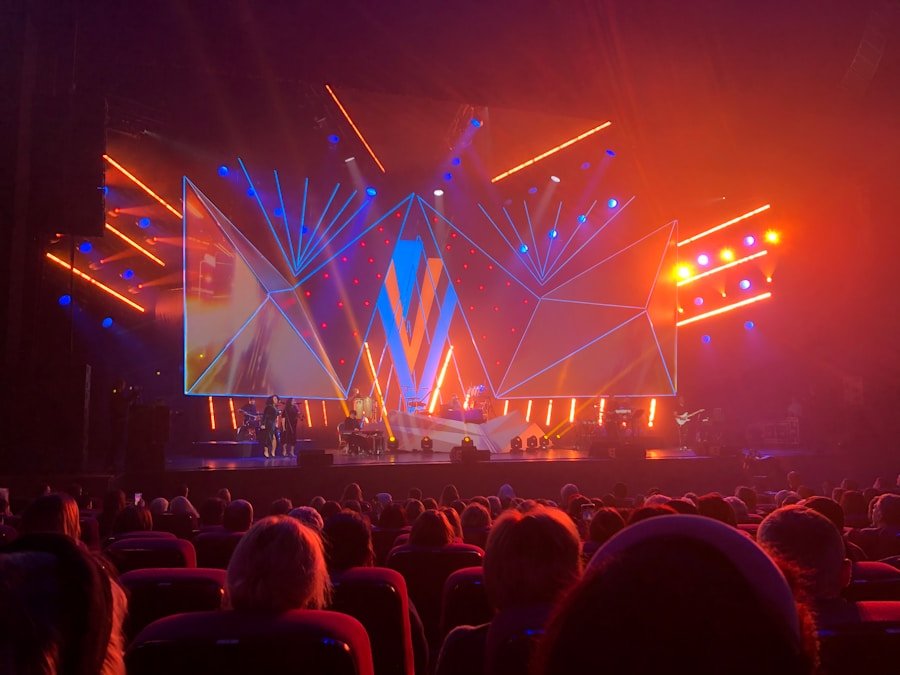
Sure, it’s glitzy, but it means so much more
While Eurovision is a competition at its core, it also serves as a platform for Scandinavian unity. The shared cultural heritage among these nations fosters a sense of camaraderie that is palpable during the contest. Each country brings its unique flavor to the stage, yet there’s an underlying thread that connects them all—an appreciation for music that transcends language barriers.
This unity is particularly evident in the way Scandinavian countries often support one another during voting. When the votes are tallied, it’s not uncommon to see Scandinavian nations rallying behind each other. The “Nordic bloc” voting pattern has become a well-known phenomenon, where countries like Sweden, Norway, Denmark, Finland, and Iceland lend their points to one another.
This solidarity reflects a deeper connection that goes beyond mere geography; it’s about shared values and mutual respect. The friendly competition encourages collaboration among artists and songwriters across borders, leading to innovative and memorable performances that captivate audiences.
Sweden’s Influence on Eurovision
Sweden has long been considered a powerhouse in the Eurovision arena, consistently producing top-tier talent and memorable entries. The country’s influence on the contest is undeniable; it has won the competition six times and has been a runner-up on numerous occasions. Sweden’s success can be attributed to its robust music industry, which nurtures artists from a young age and emphasizes quality songwriting and production.
The Swedish music scene is characterized by its ability to blend genres and push boundaries. This innovative spirit is reflected in Eurovision entries that often stand out for their catchy melodies and polished performances. Iconic figures like ABBA and Roxette paved the way for future generations of Swedish artists, proving that pop music can resonate on an international scale.
More recently, artists like Loreen and Benjamin Ingrosso have continued this legacy, showcasing Sweden’s knack for creating chart-topping hits that captivate audiences far beyond Europe.
Norway, Denmark, Finland, and Iceland’s Impact on Eurovision
While Sweden may dominate the conversation around Eurovision success, its Scandinavian neighbors—Norway, Denmark, Finland, and Iceland—have also made significant contributions to the contest’s rich tapestry. Each country brings its unique cultural influences to the stage, resulting in a diverse array of performances that keep audiences engaged year after year. Norway has produced memorable entries that often blend traditional folk elements with contemporary pop sounds.
Artists like Alexander Rybak and his infectious “Fairytale” captured hearts across Europe and secured Norway’s third victory in 2009. Denmark has also made its mark with catchy tunes and engaging performances; who could forget Emmelie de Forest’s “Only Teardrops,” which won in 2013? Meanwhile, Finland has carved out a niche with its distinctive rock sound, exemplified by Lordi’s unforgettable win in 2006 with “Hard Rock Hallelujah.” Iceland may be smaller in size but has consistently delivered powerful performances that resonate emotionally with audiences.
Eurovision’s Quirky Appeal
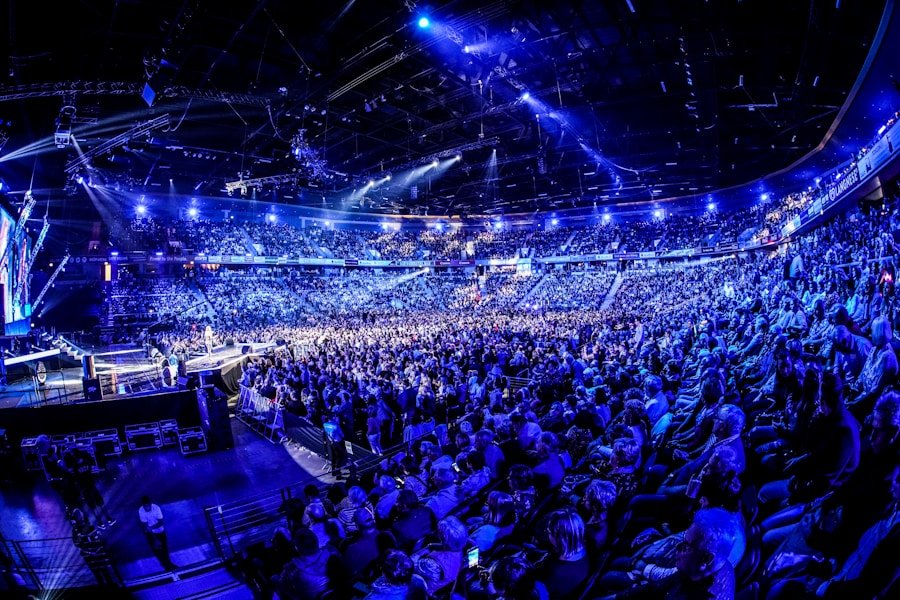
What truly sets Eurovision apart from other music competitions is its quirky charm. The event embraces eccentricity in all forms—be it outrageous costumes, unexpected staging choices, or performances that defy conventional norms. This whimsical approach creates an atmosphere where anything can happen, making it an exhilarating experience for viewers.
The unpredictability of Eurovision is part of its allure. Each year brings new surprises: from jaw-dropping pyrotechnics to jaw-dropping dance moves that leave audiences both bewildered and entertained. The contest encourages artists to take risks and showcase their individuality, resulting in performances that are as memorable as they are entertaining.
Whether it’s a ballad that tugs at your heartstrings or an upbeat anthem that gets you dancing in your living room, Eurovision never fails to deliver moments that spark joy and laughter. In conclusion, Eurovision is more than just a song contest; it’s a celebration of culture, diversity, and creativity that resonates deeply with audiences across Europe and beyond.
Its roots in Scandinavian tradition foster a sense of unity among nations while championing inclusivity for all.
As we look forward to future contests, one thing remains clear: Eurovision will continue to be a vibrant tapestry of music and performance that captivates hearts around the world.







 English