

Nordic culture has long been characterized by its progressive values and emphasis on individual freedom, making it a fertile ground for LGBTQ+ pride movements. Countries like Sweden, Finland, Denmark, Norway, and Iceland have been at the forefront of advocating for LGBTQ+ rights, often leading the way in legalizing same-sex marriage and promoting inclusivity. This cultural backdrop has allowed figures like Greta Garbo, Tom of Finland, and Hans Christian Andersen to emerge as icons within the LGBTQ+ community.
The influence of Nordic culture on LGBTQ+ pride can be seen in its celebration of diversity and acceptance. Festivals such as Stockholm Pride and Copenhagen Pride attract thousands of participants each year, showcasing vibrant parades and events that honor queer identities. These celebrations not only highlight the achievements of LGBTQ+ individuals but also serve as a reminder of the ongoing struggle for equality worldwide.
The legacy of Garbo, Tom of Finland, and Andersen is woven into this cultural tapestry, inspiring new generations to embrace their identities with pride.
Greta Garbo, the Swedish actress who captivated audiences in the early 20th century, remains an enduring symbol of mystery and allure. Born in 1905 in Stockholm, she rose to fame during the silent film era and transitioned seamlessly into talkies, becoming one of Hollywood’s most iconic figures. Her performances in films like “Camille” and “Ninotchka” showcased not only her extraordinary talent but also her ability to embody complex emotions, making her a favorite among both straight and queer audiences.
Garbo’s enigmatic persona—marked by her reclusive nature and refusal to conform to the Hollywood machine—has solidified her status as a gay icon. Garbo’s allure transcends her film roles; it lies in her ability to evoke a sense of longing and desire that resonates deeply within the LGBTQ+ community. Her portrayal of strong, independent women challenged traditional gender norms, allowing queer individuals to see themselves reflected in her characters.
The phrase “I want to be alone,” famously uttered by Garbo in “Ninotchka,” has become a rallying cry for those who feel marginalized or misunderstood. This sentiment resonates with many in the LGBTQ+ community, who often grapple with feelings of isolation while simultaneously seeking connection. Garbo’s legacy is not merely that of a talented actress; she embodies the complexities of identity and the struggle for acceptance.
Tom of Finland: The Pioneering Finnish Artist and Gay Icon
Tom of Finland, born Touko Laaksonen in 1920, is celebrated as one of the most influential artists in the realm of gay culture. His distinctive style, characterized by hyper-masculine figures and erotic imagery, has left an indelible mark on the LGBTQ+ community. Laaksonen’s work emerged during a time when homosexuality was largely stigmatized, yet he boldly depicted male sexuality in a way that was both celebratory and empowering.
His art not only challenged societal norms but also provided a sense of belonging for those who felt alienated by mainstream culture. The impact of Tom of Finland’s work extends beyond mere aesthetics; it has played a crucial role in shaping the visual language of gay identity. His illustrations often featured leather-clad men, sailors, and bikers—archetypes that became symbols of masculinity within the gay community.
By portraying these figures with confidence and sensuality, Tom of Finland helped redefine masculinity for queer individuals, allowing them to embrace their desires without shame. His art has inspired countless artists and continues to be celebrated at exhibitions worldwide, serving as a reminder of the power of representation in fostering pride and acceptance.
Hans Christian Andersen: The Danish Author and Gay Icon
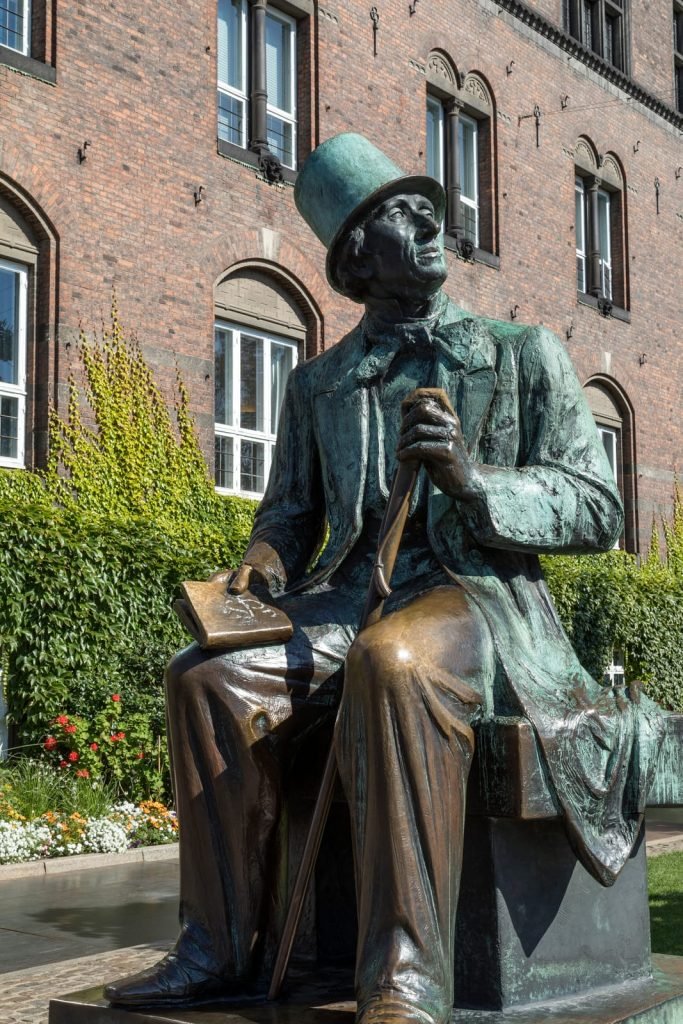
HCA: much more than the little mermaid
Hans Christian Andersen, the beloved Danish author known for his fairy tales, has long been regarded as a literary icon. Born in 1805 in Odense, Andersen’s stories—such as “The Little Mermaid” and “The Ugly Duckling”—are imbued with themes of transformation, longing, and the search for identity. While his tales are often seen as children’s literature, they resonate deeply with LGBTQ+ individuals who find parallels between Andersen’s characters and their own experiences of alienation and self-discovery.
Andersen’s life was marked by personal struggles that mirrored the themes present in his stories. He never married and had close relationships with several men throughout his life, leading many scholars to speculate about his sexuality. His poignant narratives often reflect the pain of unrequited love and the quest for acceptance, making them particularly relatable to those navigating their own identities.
The beauty of Andersen’s work lies in its ability to transcend time and culture, offering solace to generations of readers who have felt different or out of place.
The Enduring Legacy of Garbo, Tom of Finland, and Hans Christian Andersen as Gay Icons
The legacies of Greta Garbo, Tom of Finland, and Hans Christian Andersen continue to resonate within the LGBTQ+ community today. Each figure represents a unique facet of queer identity—Garbo embodies the complexity of desire and isolation; Tom of Finland celebrates unapologetic masculinity; while Andersen captures the essence of transformation and self-acceptance. Together, they form a triad of inspiration that encourages individuals to embrace their true selves.
Their influence extends beyond their respective mediums; they have become symbols of resilience in the face of adversity. In an era where LGBTQ+ rights are still being fought for globally, these icons remind us that representation matters. Their stories encourage individuals to find strength in their identities and to celebrate their uniqueness.
As society continues to evolve, the legacies of Garbo, Tom of Finland, and Andersen serve as beacons of hope for those navigating their own journeys toward self-acceptance.
How Greta Garbo, Tom of Finland, and Hans Christian Andersen Embody LGBTQ+ Pride
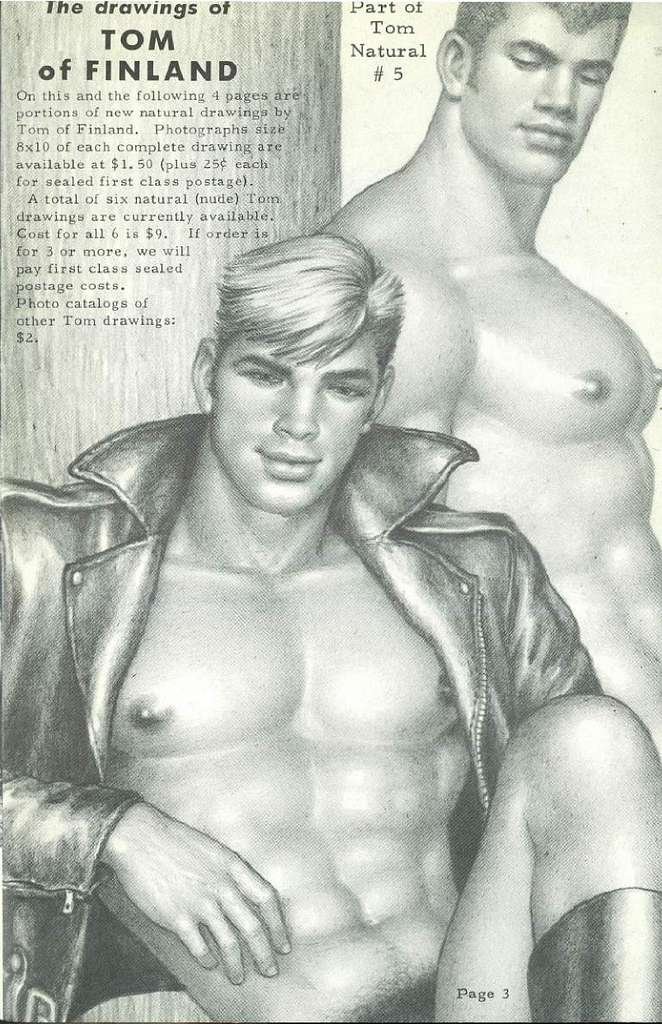
Tom of Finland brought male erotica out of the closet
Greta Garbo’s enigmatic presence on screen invites viewers to explore the depths of human emotion while challenging societal expectations. Her characters often grapple with their desires in a world that seeks to confine them, mirroring the experiences of many LGBTQ+ individuals who have faced similar struggles. Garbo’s ability to convey vulnerability alongside strength resonates deeply with those who identify as queer, making her an enduring symbol of pride.
Tom of Finland’s art celebrates male sexuality in all its forms, providing a visual language that empowers queer individuals to embrace their desires without shame. His bold depictions challenge traditional notions of masculinity while fostering a sense of community among those who feel marginalized. By creating a space where eroticism is celebrated rather than shamed, Tom of Finland has become an emblematic figure within LGBTQ+ pride movements.
Hans Christian Andersen’s fairy tales offer profound insights into the human experience, particularly regarding identity and acceptance. His characters often embark on journeys of self-discovery that resonate with those navigating their own paths toward authenticity. Andersen’s ability to capture the complexities of love and longing speaks to the heart of LGBTQ+ pride—an acknowledgment that our differences are what make us beautiful.
The Impact of Greta Garbo, Tom of Finland, and Hans Christian Andersen on LGBTQ+ Representation
The impact these three icons have had on LGBTQ+ representation cannot be overstated. Greta Garbo’s films provided early glimpses into complex female characters who defied societal norms, paving the way for future representations of queer women in cinema. Her legacy continues to inspire filmmakers today who seek to portray authentic narratives that reflect diverse experiences.
Tom of Finland’s artwork has transformed how masculinity is represented within gay culture. By challenging stereotypes and celebrating eroticism without shame, he has influenced countless artists who strive to create inclusive representations that resonate with contemporary audiences. His work serves as a reminder that art can be a powerful tool for advocacy and change.
Hans Christian Andersen’s stories have transcended generations, offering timeless lessons about acceptance and self-love. His narratives encourage readers to embrace their uniqueness while fostering empathy for others who may feel different. The themes present in Andersen’s work continue to inspire writers and artists seeking to create inclusive narratives that reflect the diverse experiences within the LGBTQ+ community.







 English