

Like the poster? https://nordicforbeginners.shop/products/fine-art-poster-1?variant=45557922889927
Got to have the mug? https://nordicforbeginners.shop/products/white-11oz-ceramic-mug-with-color-inside?variant=45557922169031
“Ut på tur, aldri sur.” Literally, out on tour, never sour, meaning, it’s good to be outside roaming.
Allemansrätten, often translated as “the right to roam,” is a cherished principle in Sweden and other Nordic countries that allows individuals to access and enjoy nature freely. Its roots can be traced back to ancient customs and practices, where the relationship between people and the land was built on mutual respect and understanding. Historically, the concept emerged from a time when communities relied heavily on the land for sustenance, gathering wild foods, and hunting.
As societies evolved, so did the understanding of land use, leading to a more formal recognition of the rights of individuals to traverse and enjoy natural spaces. The formalization of Allemansrätten began in the 18th century, but it wasn’t until the 20th century that it gained legal status. The Swedish Right of Public Access Act, enacted in 1994, codified these age-old customs into law, ensuring that everyone could enjoy the beauty of Sweden’s vast landscapes.
This legal framework not only protects the rights of individuals but also emphasizes the importance of preserving nature for future generations. The origins of Allemansrätten reflect a deep-seated cultural belief in the value of nature and the collective responsibility to protect it.
The Principles of Allemansrätten
At its core, Allemansrätten is built on a few fundamental principles that guide how individuals can interact with nature. First and foremost is the idea of freedom.
People are allowed to roam freely across uncultivated land, which includes forests, mountains, and lakes.
This freedom is accompanied by a sense of responsibility; while you can enjoy nature, you must also respect it. This means leaving no trace, avoiding damage to flora and fauna, and being considerate of other people who may be enjoying the same space. Another key principle is respect for private property.
While Allemansrätten grants access to many natural areas, it does not extend to private gardens or cultivated land without permission. This balance between freedom and respect is what makes Allemansrätten unique. It encourages a harmonious relationship between humans and nature while acknowledging the rights of landowners.
This duality fosters a culture of mutual respect that is essential for maintaining the integrity of both natural spaces and private properties.
Allemansrätten and Outdoor Activities
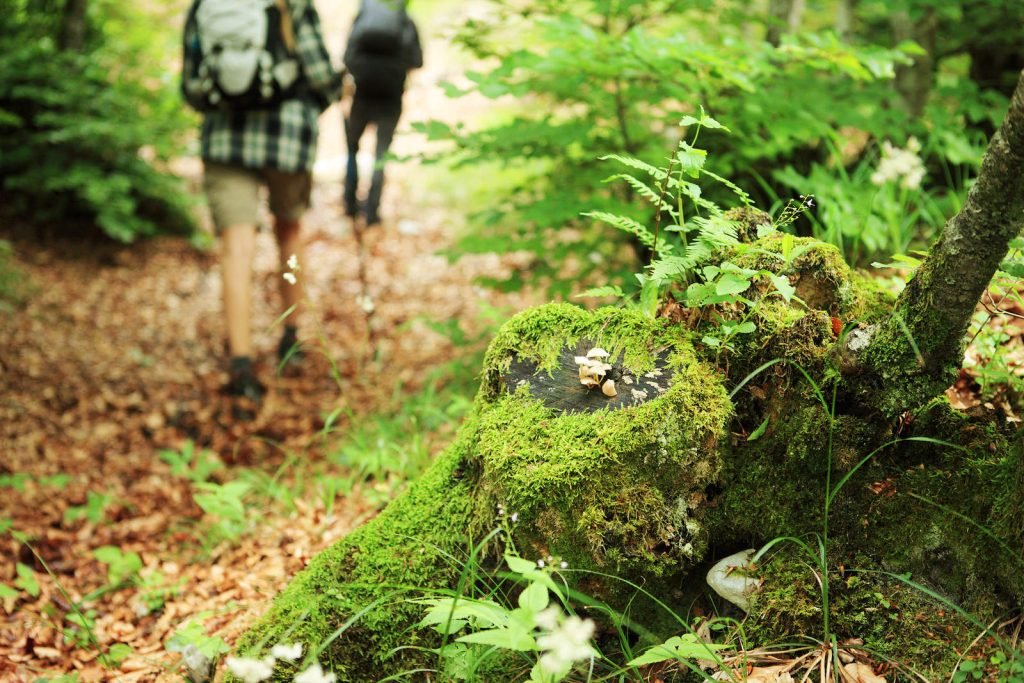
Freedom to walk, freedom to roam
Allemansrätten has become a cornerstone for outdoor enthusiasts in Sweden, providing a legal framework that encourages hiking, camping, fishing, and other recreational activities. Imagine waking up in a tent surrounded by towering pines, with the sound of a nearby stream lulling you into a state of blissful relaxation. Thanks to Allemansrätten, this dream can become a reality for anyone willing to explore Sweden’s breathtaking landscapes.
Hiking trails crisscross the country, leading adventurers through lush forests, over rugged mountains, and alongside serene lakes. The freedom to camp almost anywhere in nature allows for spontaneous adventures that can lead to unforgettable experiences. Whether you’re an experienced mountaineer or a casual day-tripper, Allemansrätten opens up a world of possibilities for outdoor activities.
It encourages people to connect with nature, promoting physical health and mental well-being while fostering a sense of community among those who share a love for the great outdoors.
Allemansrätten and Environmental Conservation
While Allemansrätten promotes access to nature, it also plays a crucial role in environmental conservation. The principles embedded within this right encourage individuals to engage with their surroundings in a sustainable manner. By fostering an appreciation for nature, Allemansrätten cultivates a sense of stewardship among those who enjoy outdoor activities.
When people feel connected to the land, they are more likely to advocate for its protection. Moreover, the legal framework surrounding Allemansrätten includes guidelines that help mitigate human impact on natural ecosystems. For instance, campers are encouraged to use established fire pits and avoid trampling sensitive vegetation.
This awareness helps preserve biodiversity and maintain the delicate balance within ecosystems. As more people embrace outdoor activities under the umbrella of Allemansrätten, there is an increasing recognition of the need to protect these precious resources for future generations.
Allemansrätten and Access to Natural Resources
Access to natural resources is another significant aspect of Allemansrätten that enhances its value in Swedish society. The right to roam extends beyond mere recreational activities; it encompasses the ability to forage for wild berries, mushrooms, and herbs. This practice not only connects individuals with their environment but also promotes sustainable harvesting methods that have been passed down through generations.
Foraging has become increasingly popular in recent years as people seek healthier lifestyles and a deeper connection to their food sources. The ability to gather wild edibles fosters an appreciation for local ecosystems and encourages individuals to learn about native plants and their uses. However, this access comes with an inherent responsibility: foragers must be knowledgeable about what they are picking and ensure they do not overharvest or damage delicate habitats.
This balance between access and responsibility is what makes Allemansrätten so vital in promoting sustainable interactions with nature.
Allemansrätten and Cultural Traditions
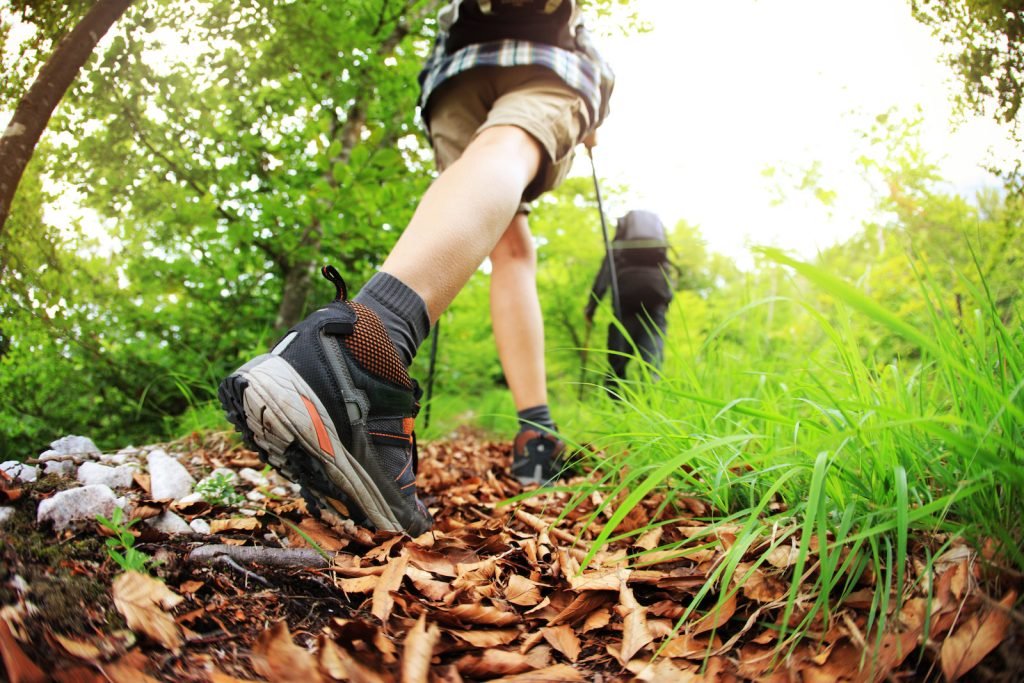
Allemansrätten is not merely a legal concept; it is deeply woven into the cultural fabric of Sweden and other Nordic countries. The right to roam reflects a collective ethos that values nature as a shared resource rather than a commodity owned by individuals. This cultural perspective fosters a sense of community among those who cherish outdoor experiences, creating bonds that transcend social barriers.
Traditional practices such as midsummer celebrations often take place in natural settings, highlighting the importance of nature in Swedish culture. Families gather in forests or by lakesides to celebrate with food, music, and dance, reinforcing the connection between people and their environment. These cultural traditions are enriched by Allemansrätten, which allows everyone to partake in these communal experiences without fear of trespassing or legal repercussions.
In this way, Allemansrätten serves as a bridge between past customs and contemporary practices, ensuring that future generations can continue to enjoy and celebrate their natural heritage.
Allemansrätten and Responsible Outdoor Behavior
With great freedom comes great responsibility, and this adage rings particularly true when it comes to Allemansrätten. While individuals are granted access to vast stretches of wilderness, they are also expected to adhere to guidelines that promote responsible outdoor behavior. This includes respecting wildlife habitats, minimizing noise pollution, and cleaning up after oneself—principles that are essential for maintaining the integrity of natural spaces.
Education plays a crucial role in fostering responsible behavior among outdoor enthusiasts. Many organizations offer workshops and resources aimed at teaching people about Leave No Trace principles and sustainable practices while enjoying nature. By instilling these values in both seasoned adventurers and newcomers alike, Sweden cultivates a culture of respect for the environment that aligns with the spirit of Allemansrätten.
Ultimately, responsible outdoor behavior ensures that everyone can continue to enjoy these beautiful landscapes without compromising their ecological health.
The Future of Allemansrätten
As society evolves and environmental challenges become more pressing, the future of Allemansrätten will likely face new tests. Climate change poses significant threats to natural ecosystems, which could impact access to certain areas or alter traditional practices like foraging or fishing. However, this also presents an opportunity for innovation in how we engage with our environment.
The ongoing dialogue surrounding sustainability will shape how Allemansrätten is practiced in the years to come. As more people recognize the importance of preserving natural spaces for future generations, there may be an increased emphasis on education and advocacy surrounding responsible outdoor behavior. Additionally, technology could play a role in enhancing access while promoting conservation efforts—think apps that help users identify local flora or track their environmental impact during outdoor activities.
In conclusion, Allemansrätten stands as a testament to humanity’s enduring connection with nature—a right that embodies freedom while demanding responsibility. As we navigate the complexities of modern life, this cherished principle will continue to inspire individuals to explore the great outdoors while fostering a culture of respect for our planet’s precious resources. The future may hold challenges, but with collective effort and commitment to sustainability, Allemansrätten can thrive for generations to come.





 English