

When you think of Nordic cuisine, you might picture a plate of herring or a bowl of creamy potato soup, but hold onto your forks, folks. The culinary landscape here is as mixed as the landscapes themselves, filled with flavors that are as bold as the northern lights.
From the icy shores of Greenland to the lush forests of Sweden, the Nordic countries have a treasure trove of delicacies that are not only unique but also steeped in history and tradition. The beauty, and often survival, of Nordic cuisine lies in its ability to embrace the local environment. The harsh climates and long winters have led to ingenious methods of food preservation, resulting in dishes that might raise an eyebrow or two.
Fermentation, smoking, and pickling are not only techniques; they are a way of life.
Icelandic Fermented Shark: A Unique Culinary Tradition
Let’s kick things off with a dish that’s as infamous as it is intriguing: hákarl, or fermented shark. If you’ve ever found yourself in Iceland and thought, “What’s the weirdest thing I can eat?” then congratulations. You migh have hit the jackpot. Hákarl is made from Greenland shark, which is not exactly your run-of-the-mill seafood choice. The process involves burying the shark in the ground for several months to ferment before hanging it out to dry for a few more months. Yes, you read that right—months! This is not a dish for the faint-hearted or those with a weak stomach. Let’s talk about the flavor profile. Imagine biting into something that smells like a combination of ammonia and pungent socks. Sounds delightful, right? But here’s the kicker: once you get past the initial olfactory assault, you might find yourself appreciating its unique taste. Braver souls describe it as having a strong fishy flavor with a hint of sweetness. It’s often served in small cubes, accompanied by a shot of Icelandic schnapps to wash it down. If you’re feeling adventurous, pair it with some traditional rye bread for a true Icelandic experience. Just remember to breathe through your mouth—your nose will thank you later.
Unusual Nordic Delicacies: From Reindeer Heart to Lutefisk
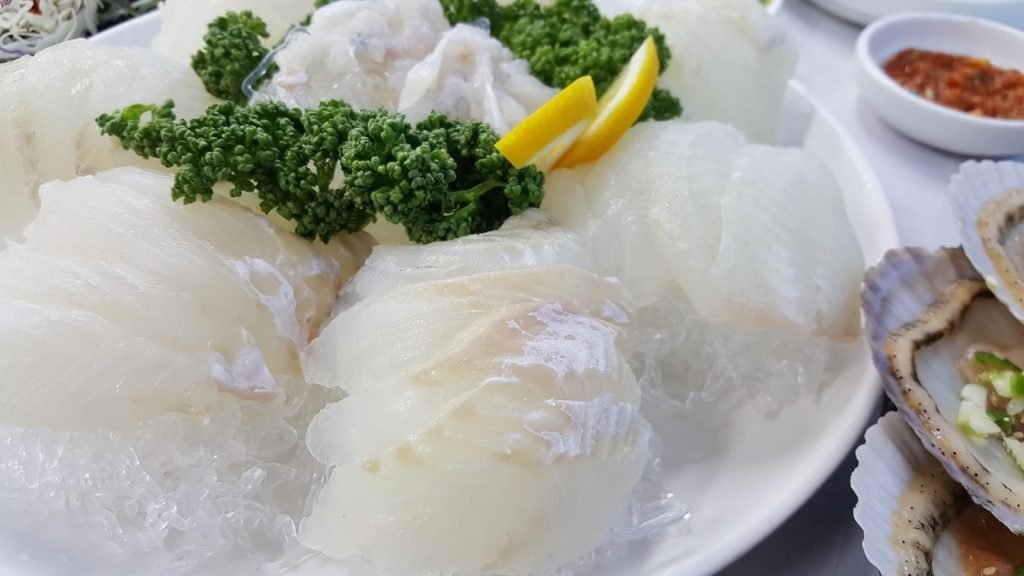
If you thought hákarl was pushing the envelope, wait until you hear about some other unusual Nordic delicacies that might make you raise an eyebrow—or two. Take reindeer heart, for instance. In Finland and parts of Norway, this dish is considered a delicacy and is often prepared during festive occasions.
The heart is typically slow-cooked or grilled and served with a rich sauce that complements its gamey flavor.
It’s not only about eating; it’s about honoring the animal and embracing the culture of the Sámi people, who have been herding reindeer for centuries. And then there’s lutefisk, a dish that has earned its place in the pantheon of culinary oddities.
Made from dried fish (usually cod) that has been soaked in lye, lutefisk has a gelatinous texture that can be polarizing—people either love it or loathe it. Traditionally served during Christmas in Norway and Sweden, this dish is often accompanied by potatoes and white sauce. The preparation process is an art form in itself; it requires precision and patience to ensure that the fish doesn’t turn into an inedible mush.
If you’re brave enough to try it, be prepared for a flavor experience that’s unlike anything else—think of it as a rite of passage into the world of Nordic cuisine.
The Role of Fermentation in Scandinavian Cuisine
Fermentation is not merely a trend in Scandinavian cuisine; it’s a time-honored tradition that has been passed down through generations. In a region where fresh produce can be scarce during long winters, fermentation serves as a vital method for preserving food and enhancing flavors. From pickled herring to fermented vegetables, this technique allows chefs and home cooks alike to create dishes that are bursting with umami and complexity.
The science behind fermentation is fascinating. It involves the transformation of sugars into acids or alcohol through the action of microorganisms like bacteria and yeast. This process not only extends the shelf life of food but also introduces new flavors and textures that can elevate even the simplest ingredients.
In Scandinavia, fermentation has become an integral part of the culinary identity, with chefs experimenting with traditional methods to create innovative dishes that pay homage to their roots while pushing boundaries. Imagine walking into a cozy Nordic restaurant where the air is filled with the tangy aroma of fermented cabbage or the sweet scent of pickled berries. These ingredients are not side dishes; they are stars in their own right, adding depth and character to every meal.
Whether it’s a dollop of fermented lingonberry sauce on your meatballs or a side of tangy sauerkraut with your sausages, fermentation plays a crucial role in creating a harmonious balance of flavors that define Scandinavian cuisine.
Cultural Significance of Unusual Nordic Delicacies
Unusual Nordic delicacies are more than just food; they are cultural artifacts that tell stories about the people who create them. Each dish carries with it a sense of history and tradition, reflecting the values and practices of the communities from which they originate. For instance, hákarl is not merely an acquired taste; it symbolizes Icelandic resilience and resourcefulness in adapting to harsh environmental conditions.
Moreover, these delicacies often serve as focal points during celebrations and gatherings. In many Nordic cultures, food plays an essential role in bringing people together—think festive feasts during Midsummer or Christmas where lutefisk takes center stage. Sharing these unique dishes fosters a sense of community and belonging, allowing individuals to connect with their heritage while creating new memories around the table.
As globalization continues to influence culinary trends worldwide, there’s something beautifully nostalgic about preserving these unusual delicacies.
They remind us of our roots and encourage us to explore flavors that may be outside our comfort zones.
In an age where fusion cuisine reigns supreme, indulging in traditional Nordic dishes offers a refreshing reminder of the importance of cultural heritage in our ever-evolving food landscape.
Where to Experience Unusual Nordic Delicacies in Scandinavia
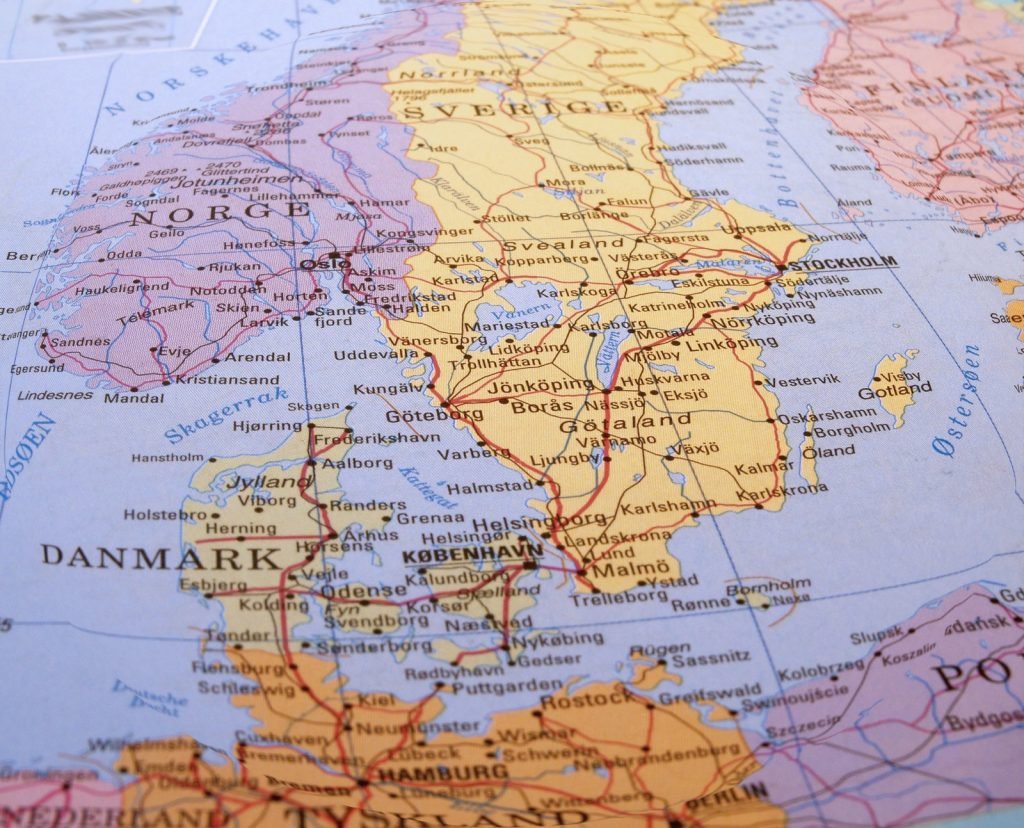
Ready to embark on your own culinary adventure? If you’re itching to experience these unusual Nordic delicacies firsthand, there are plenty of places across Scandinavia where you can dive into this gastronomic treasure trove. Start your journey in Reykjavik, Iceland’s capital, where numerous restaurants specialize in traditional Icelandic fare.
Places like Café Loki serve up hákarl alongside other local delights like rye bread ice cream—yes, you read that right. If you find yourself wandering through Norway, make sure to stop by Bergen’s famous fish market for some fresh seafood options or head to Oslo for restaurants like Lofoten Fiskerestaurant that offer lutefisk during the holiday season. And let’s not forget about Finland.
Helsinki boasts several eateries where you can savor reindeer heart prepared with love and care—try Restaurant Savotta for an authentic experience. For those who prefer guided experiences, consider joining food tours that focus on traditional Nordic cuisine. These tours often include tastings at local markets and restaurants while providing insights into the cultural significance behind each dish.
Whether you’re sampling fermented herring or indulging in reindeer stew, these experiences will leave you with not only full bellies but also rich stories to share. In conclusion, exploring unusual Nordic delicacies is like embarking on a culinary expedition through time and culture. From fermented shark to reindeer heart, each dish offers a glimpse into the heart and soul of Scandinavian traditions.



 English