

Scandinavia is a land of extremes, where nature plays a dramatic game of light and dark. The phenomenon of the Midnight Sun occurs during the summer months, particularly above the Arctic Circle, where the sun doesn’t set for several weeks. Imagine a summer evening where the sun hangs low in the sky, casting a golden glow well past midnight.
This surreal experience can be both enchanting and disorienting. In places like Norway, Sweden, and Finland, locals and tourists alike revel in the endless daylight, engaging in outdoor activities that stretch into the early hours. Hiking, fishing, and even midnight picnics become part of the daily routine, creating a unique rhythm of life that thrives on the abundance of sunlight. Sweden has even made a national holiday out on June 21. On Midsummer’s Eve, many shops are closed for festivities and the city streets are suddenly deserted.
Conversely, the Polar Nights grip these same regions during winter, when the sun barely rises above the horizon for weeks on end. The landscape transforms into a realm of twilight, where the world is cloaked in shades of blue and gray. In some parts, there is 24 hours of darkness. This stark contrast between perpetual daylight and prolonged darkness shapes not only the environment but also the psyche of those who inhabit it.
While some find beauty in the serene stillness of winter’s embrace, others struggle with the emotional weight that comes with such extended periods of darkness. The interplay between these two extremes creates a fascinating backdrop for understanding how light and dark influence daily life in Scandinavia.
The Impact of Extended Daylight on Sleep Patterns
The Midnight Sun can have a profound effect on sleep patterns, often leading to what some might call a “sleep crisis.” With sunlight flooding the landscape at all hours, many people find it challenging to maintain a regular sleep schedule. The body’s internal clock, or circadian rhythm, relies heavily on light cues to signal when it’s time to sleep and when it’s time to wake. In regions where daylight stretches into the early hours, this natural rhythm can become disrupted.
People may find themselves staying up later than intended, lured by the bright skies and the allure of social activities that seem to last forever. Interestingly, while some embrace this extended daylight as an opportunity for adventure, others may experience negative consequences.
Sleep deprivation can lead to irritability, decreased cognitive function, and even physical health issues over time.
Studies have shown that individuals living in areas with prolonged daylight often report difficulties falling asleep or staying asleep. The challenge lies not only in the quantity of sleep but also in its quality. As the sun blazes on, many find themselves tossing and turning, unable to escape the bright intrusion of daylight into their bedrooms.
This phenomenon raises important questions about how we adapt to such extreme variations in our environment.
Coping with 24-Hour Darkness: How Polar Nights Affect Sleep
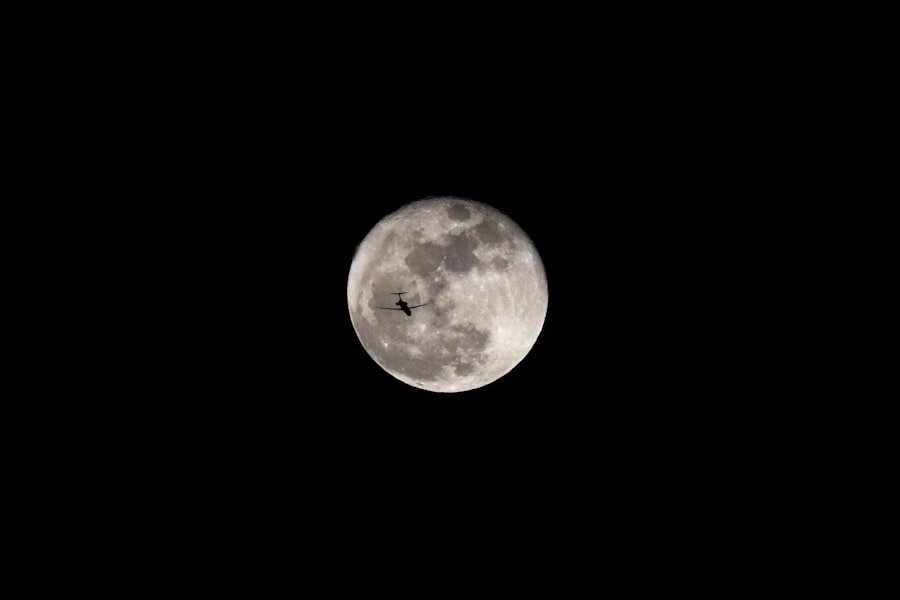
Is it 12 AM or 12 PM?
On the flip side, Polar Nights present their own set of challenges when it comes to sleep. The absence of sunlight can lead to feelings of lethargy and sadness, commonly referred to as Seasonal Affective Disorder (SAD). During these long winter months, many people struggle with low energy levels and a general sense of malaise.
The body craves sunlight, and when it’s deprived of this essential element, it can throw off our internal clocks even further. The darkness can feel suffocating at times, leading to disrupted sleep patterns as individuals grapple with feelings of isolation and fatigue. In an attempt to cope with the darkness, some people turn to artificial light sources to mimic the sun’s rays.
However, this can create a paradox; while light therapy can help alleviate some symptoms of SAD, it may also interfere with sleep if used improperly. The challenge lies in finding a balance between seeking light during waking hours and allowing for darkness when it’s time to rest. Many residents develop their own strategies for coping with Polar Nights, from establishing strict bedtime routines to creating cozy environments that promote relaxation.
Ultimately, navigating this period requires a keen awareness of one’s own needs and an understanding of how darkness affects both mood and sleep.
Strategies for Managing Sleep Deprivation During Midnight Sun and Polar Nights
Managing sleep deprivation during both the Midnight Sun and Polar Nights requires a different approach. For those grappling with sleepless nights under the relentless glow of summer sunlight, creating a conducive sleep environment is crucial. Blackout curtains can be a game-changer, blocking out unwanted light and signaling to the body that it’s time to wind down.
Additionally, establishing a consistent bedtime routine can help reinforce healthy sleep habits.
This might include winding down with calming activities such as reading or meditating before bed—essentially training the body to recognize when it’s time to sleep despite the bright surroundings.
During Polar Nights, embracing natural light during the day becomes vital for maintaining energy levels and mood.
Taking advantage of any available sunlight—no matter how fleeting—can help regulate circadian rhythms. Outdoor activities during daylight hours not only provide exposure to natural light but also promote physical well-being. Exercise has been shown to improve sleep quality and overall mental health, making it an essential component of coping strategies during these dark months.
Furthermore, incorporating mindfulness practices can help individuals manage stress and anxiety associated with both extremes of light exposure.
Cultural and Social Implications of Light and Dark in Scandinavian Sleep Patterns
The cultural fabric of Scandinavia is intricately woven with threads of light and dark. Festivals celebrating the Midnight Sun are common in summer months, where communities come together to enjoy music, food, and outdoor festivities that last well into the night. These gatherings foster a sense of connection among residents and create a shared experience that transcends individual struggles with sleep deprivation.
Conversely, during Polar Nights, traditions often shift towards introspection and coziness—think candlelit gatherings and warm drinks shared among friends as they huddle together against the cold. The impact of these seasonal changes extends beyond individual experiences; they shape societal norms around work and leisure as well. In summer months, work hours may shift to accommodate late-night activities, while winter often sees a more relaxed pace as people prioritize self-care and community bonding over productivity.
This cultural adaptability highlights how deeply intertwined human behavior is with environmental factors. In Scandinavia, light and dark are not merely physical phenomena; they are integral to identity and community life.
The Role of Technology and Light Therapy in Mitigating Sleep Disruptions in the Nordic Region
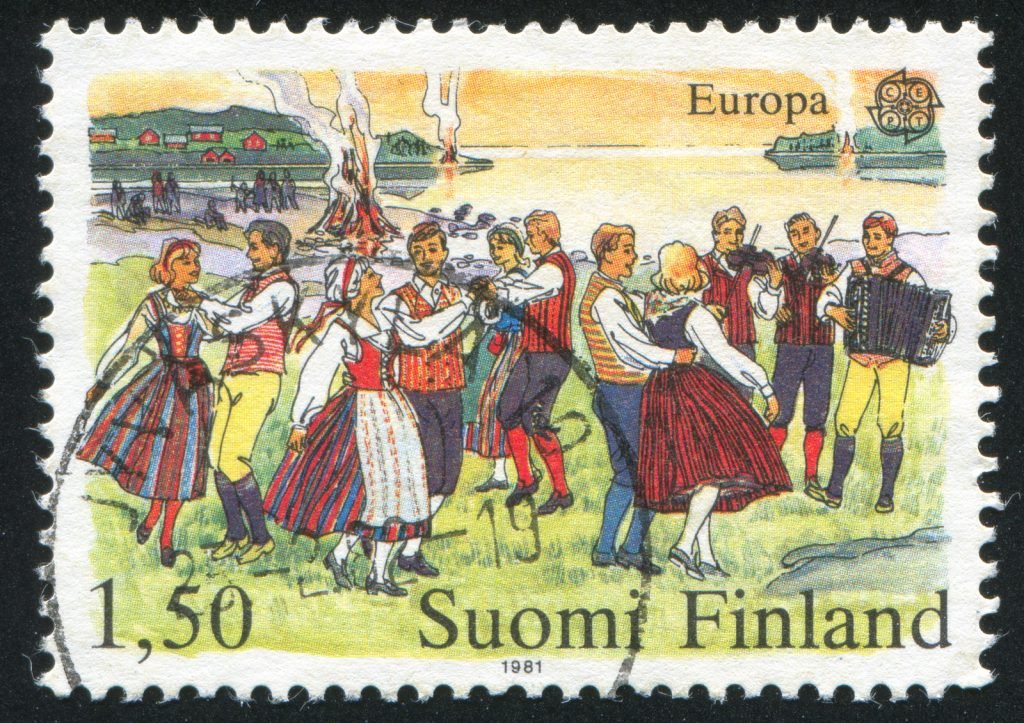
It’s midnight – let’s dance
In recent years, technology has emerged as a powerful ally in managing sleep disruptions caused by extreme light conditions in Scandinavia. Light therapy devices have gained popularity as effective tools for combating Seasonal Affective Disorder during Polar Nights. These devices simulate natural sunlight exposure, helping to regulate mood and energy levels while promoting better sleep patterns.
Many people have found success incorporating these therapies into their daily routines, using them strategically during morning hours to kickstart their day or in the evening to wind down. Moreover, advancements in sleep technology have led to innovative solutions for those struggling with sleepless nights during the Midnight Sun. Smart lighting systems that adjust brightness based on time of day can help create an environment conducive to rest.
Additionally, wearable devices that track sleep patterns provide valuable insights into individual sleep quality, allowing users to make informed adjustments to their routines. As technology continues to evolve, it offers new avenues for understanding and managing the complex relationship between light exposure and sleep in this unique region. In conclusion, Scandinavia’s extreme variations in daylight profoundly influence sleep patterns and overall well-being.
Whether basking in the Midnight Sun or enduring Polar Nights, residents navigate a complex interplay between light and dark that shapes their daily lives. By employing effective strategies for managing sleep deprivation and embracing cultural practices that celebrate these seasonal changes, individuals can find balance amidst nature’s extremes. As technology continues to advance, it holds promise for further enhancing our understanding of how we adapt to these unique environments—ultimately helping us thrive in both light and darkness.






 English