
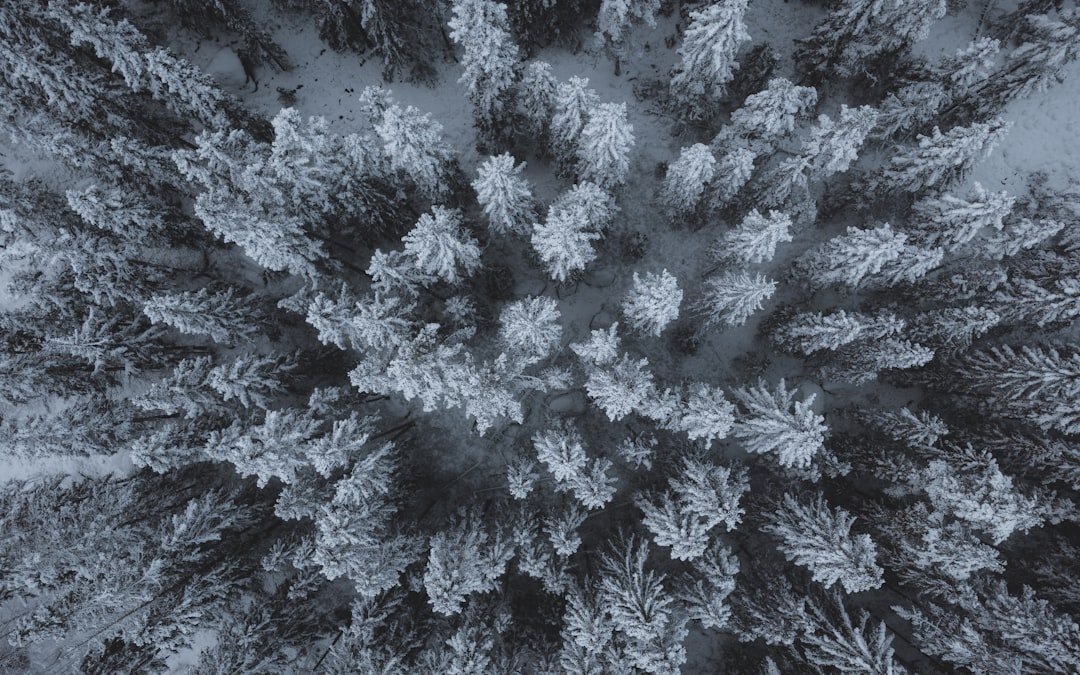
The Nordic fascination with mythical creatures in this part of the world runs deep, weaving through the very fabric of its culture and history. From trolls lurking under bridges to little people living in nature, these beings are not mere figments of imagination; they are integral to the identity of the Nordic people.
The allure of these creatures lies in their ability to embody the mysteries of nature, the complexities of human emotion, and the age-old struggle between good and evil. In a region where long, dark winters can stretch on for what feels like an eternity, it’s no wonder that stories of mythical beings have flourished. These tales provide a sense of wonder and escapism, allowing people to explore realms beyond their everyday lives.
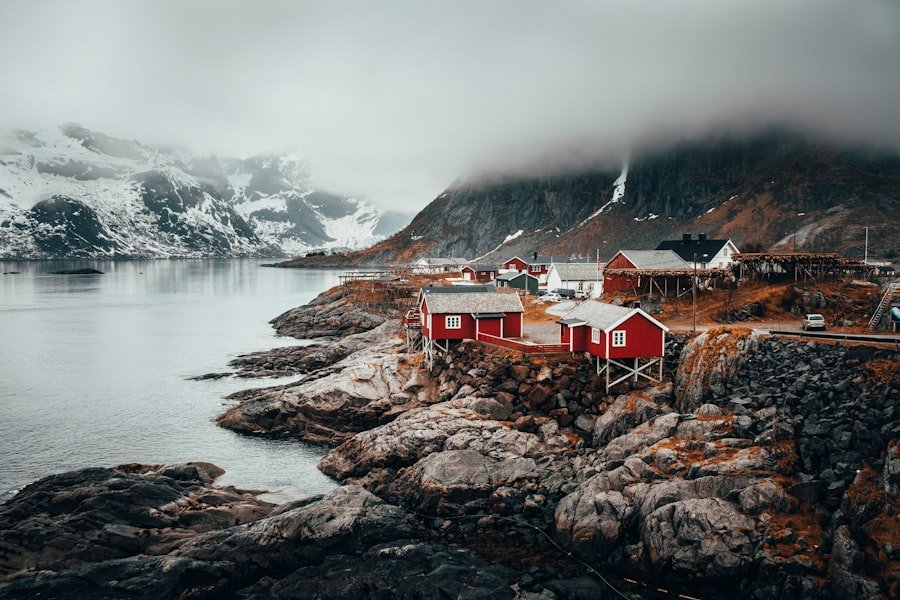
The Nordic landscape itself—rugged mountains, dense forests, and expansive lakes—serves as a perfect backdrop for these enchanting stories. Each creature tells a story, often reflecting the values, fears, and aspirations of the people who believe in them. Whether it’s the mischievous antics of a gnome or creatures that live in barns , these narratives resonate deeply, reminding us that there’s always more to life than meets the eye.
Vikings and Their Belief in Mythical Beings
Bedtime stories.
Let’s take a moment to talk about those fierce warriors known as Vikings—seafaring adventurers who roamed the seas and left their mark on history. But beneath their rugged exteriors lay a rich tapestry of beliefs in mythical beings that shaped their worldview. The Vikings were not merely warriors; they were storytellers who wove tales of gods, giants, and otherworldly creatures into their daily lives.
Odin, Thor, and Freyja were not just names; they were powerful deities who influenced everything from agriculture to warfare. The Vikings’ belief in these mythical beings was deeply intertwined with their understanding of fate and destiny. They saw themselves as part of a grand narrative where gods and creatures played pivotal roles in shaping their lives.
This belief system provided comfort in an unpredictable world filled with danger and uncertainty. The sagas—epic tales passed down through generations—often featured encounters with trolls, elves, and other supernatural beings that served as metaphors for human struggles. These stories were not merely entertainment; they were lessons wrapped in adventure, teaching values such as bravery, loyalty, and respect for nature.
Elves: Enigmatic Creatures in Scandinavian Folklore
Elves—the enigmatic beings that flit through Scandinavian folklore like whispers on the wind. Often depicted as ethereal and otherworldly, these creatures have captivated imaginations for centuries. In Nordic mythology, elves are not just cute little sprites; they are powerful entities associated with nature and fertility.
They inhabit forests, mountains, and meadows, often appearing at twilight when the veil between worlds is thinnest. Their presence is both enchanting and unsettling, embodying the duality of beauty and danger that permeates much of Nordic folklore. Elves have a complex relationship with humans in these tales.
They can be benevolent guardians or mischievous tricksters, depending on how they are treated.
Folklore warns that disrespecting an elf or their domain can lead to dire consequences—think bad luck or even illness!
This duality serves as a reminder to respect nature and its mysteries.
In modern times, elves have been reimagined in various forms—from Santa’s little helpers to characters in fantasy novels—yet their roots in Scandinavian folklore remain strong. They continue to symbolize the magic that exists just beyond our perception, inviting us to explore the unknown.
The Influence of Mythical Creatures on Nordic Culture and Art
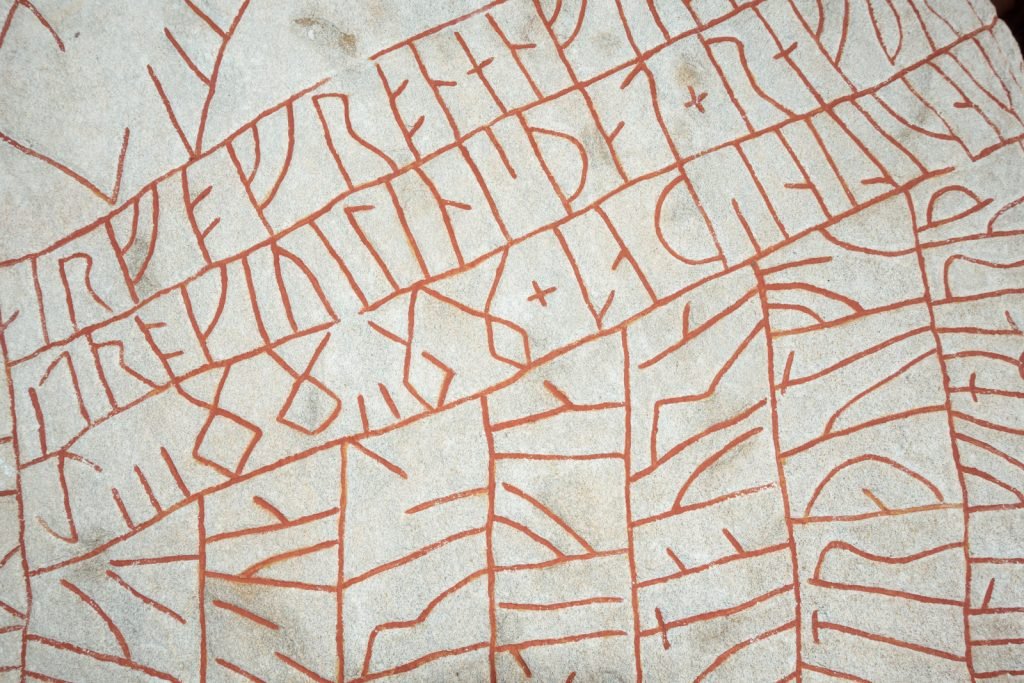
The impact of mythical creatures on Nordic culture is nothing short of profound. These beings have inspired countless works of art, literature, and music throughout history. From ancient carvings on runestones to contemporary films like “Frozen,” the influence of these fantastical entities is omnipresent.
Artists have long drawn inspiration from the rich tapestry of folklore, using it as a lens through which to explore human emotions and experiences. The vibrant colors and intricate designs found in traditional Nordic art often reflect themes from these myths, creating a visual language that speaks to both past and present. Moreover, mythical creatures serve as cultural touchstones that connect generations.
Ancesteral grandparents shared tales of trolls and giants with their grandchildren around cozy firesides, ensuring that these stories live on. Modern festivals celebrating folklore bring communities together, fostering a sense of belonging and shared identity. The enduring popularity of these creatures speaks to their ability to resonate with universal themes—love, loss, courage—that transcend time and place.
In a world increasingly dominated by technology and rapid change, these mythical beings remind us of our roots and the stories that shape who we are.
Exploring the Modern Day Obsession with Nordic Mythical Creatures
Fjords and fantasy.
Fast forward to today, where Nordic mythical creatures have experienced a renaissance like no other.
Thanks to social media, streaming platforms, and an insatiable appetite for all things fantasy, these enchanting beings have found new life in popular culture.
From Netflix series inspired by Norse mythology to blockbuster films featuring trolls and elves, it seems everyone is eager to dive into this magical realm.
The rise of fantasy literature has also played a significant role in rekindling interest in these age-old tales, with authors drawing inspiration from Nordic folklore to create captivating narratives that resonate with modern audiences. This modern obsession isn’t merely about entertainment; it reflects a deeper yearning for connection to our roots and the natural world. In an age where technology often distances us from nature, stories about mythical creatures remind us of the magic that exists all around us—if only we take a moment to look.
Whether it’s through art exhibitions celebrating folklore or themed events that invite people to dress up as their favorite characters, the fascination with Nordic mythical beings continues to thrive. It’s a beautiful testament to the enduring power of storytelling—a reminder that no matter how much time passes or how much the world changes, there will always be room for magic in our lives. In conclusion, the Nordic fascination with mythical creatures is a vibrant tapestry woven from history, culture, and imagination.
From the fierce Vikings who believed in gods and giants, these stories continue to captivate hearts across generations. As we explore this enchanting world today, we find ourselves not only entertained but also connected to something greater—a shared human experience.





 English