
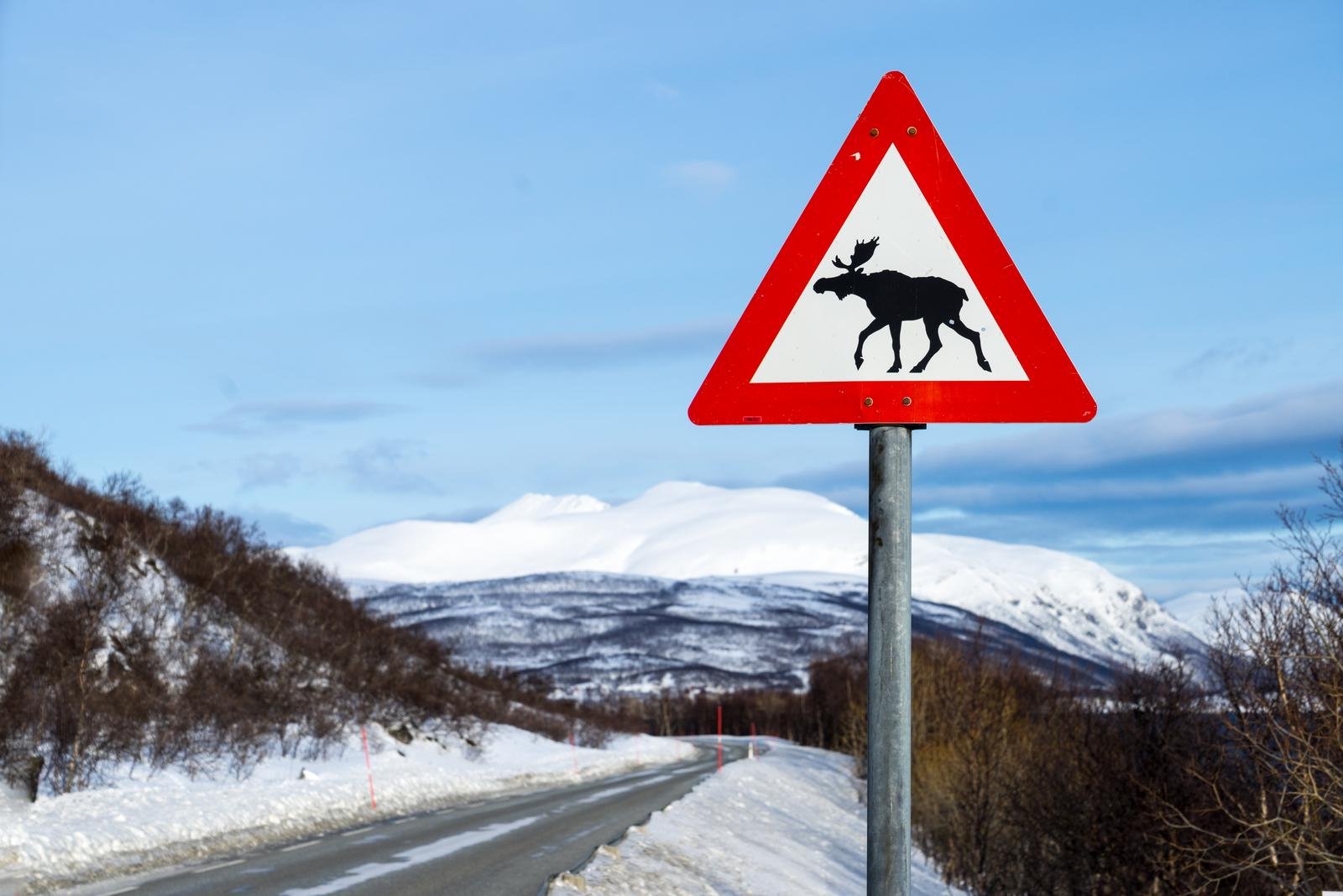
When winter descends upon Scandinavia, it doesn’t merely blanket the landscape in a picturesque layer of snow; it also transforms the lives of its most iconic inhabitants, the moose. These majestic creatures, with their towering antlers and lumbering gait, are not just wandering around aimlessly. They have a migration pattern that is as intricate as a well-choreographed dance, dictated by the whims of Mother Nature.
As snow piles up and ice forms, moose are forced to adapt their routes and behaviors, often leading them into unexpected territories. The heavy snowfall can create a veritable buffet of challenges for moose, one of which is a lack of food. With their long legs designed for traversing through dense forests and marshy terrains, deep snow can become an insurmountable obstacle.
As they struggle to navigate through the white drifts, they may find themselves venturing into areas they typically avoid, such as roads or urban settings. This shift in migration patterns not only affects their feeding habits but also increases the likelihood of encounters with humans, leading to a host of complications that neither party is particularly thrilled about.
Understanding the Moose Population in Scandinavia
Scandinavia is home to a thriving population of moose, with estimates suggesting that there are over 300,000 of these gentle giants roaming the forests and fields. These animals are not just a part of the landscape; they are woven into the cultural fabric of the region. From folklore to cuisine, moose have earned their place in the hearts and minds of Scandinavians.
However, understanding their population dynamics is crucial for ensuring their survival and managing human-wildlife interactions. Moose are social creatures, often found in small groups, but they can also be solitary, especially during mating season. Their population is influenced by various factors, including food availability, predation, and climate conditions.
In recent years, climate change has begun to play a significant role in shaping their habitat and behavior. Warmer winters can lead to changes in vegetation patterns, which in turn affects the moose’s diet and migration routes. As researchers delve deeper into these dynamics, it becomes increasingly clear that maintaining a healthy moose population requires a delicate balance between conservation efforts and human activity.
The Dangers of Moose-Car Collisions in Norway
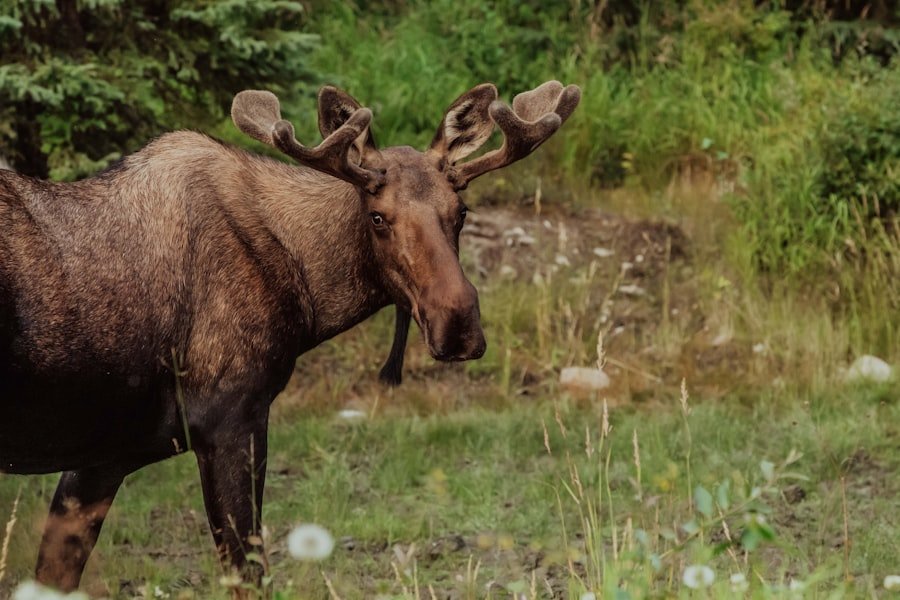
Ah, the majestic moose: a creature that embodies the wild spirit of Norway. But let’s not sugarcoat it—these gentle giants can also be a driver’s worst nightmare. Moose-car collisions are not just a minor inconvenience; they pose serious risks to both the animals and humans involved.
With their towering height and hefty weight, a collision with a moose can result in catastrophic damage to vehicles and severe injuries or fatalities for drivers and passengers alike. The statistics are sobering. Each year, many moose are struck by vehicles across Norway, sometimes leading to tragic outcomes that ripple through communities.
The sheer size of these animals means that when they step onto the road—often at dusk or dawn when visibility is low—the results can be devastating. Drivers may not have enough time to react, and the consequences can be life-altering. It’s a grim reality that underscores the need for awareness and proactive measures to mitigate these dangerous encounters.
Measures Taken to Prevent Moose-Car Collisions in Scandinavia
In response to the alarming number of moose-car collisions, Scandinavian countries have implemented various measures aimed at reducing these incidents. From wildlife crossings to enhanced signage, authorities are pulling out all the stops to keep both moose and motorists safe. One innovative approach has been the construction of overpasses and underpasses specifically designed for wildlife.
These structures allow moose to cross busy roads without putting themselves or drivers at risk. Additionally, there has been an increase in public awareness campaigns aimed at educating drivers about the dangers of moose on the road. Signs warning of moose crossings are strategically placed in high-risk areas, often accompanied by flashing lights to grab attention.
Some regions have even experimented with using technology, such as motion sensors that alert drivers when moose are nearby. While these measures may not eliminate collisions entirely, they represent a proactive approach to addressing a complex issue that affects both wildlife conservation and road safety.
The Economic and Environmental Costs of Moose-Car Collisions
The ramifications of moose-car collisions extend far beyond the immediate physical damage; they also carry significant economic and environmental costs. For drivers involved in accidents, the financial burden can be staggering—think vehicle repairs, medical bills, and potential legal fees. Insurance companies also feel the pinch as claims rise due to these collisions, leading to increased premiums for everyone on the road.
On an environmental level, the impact is equally concerning. When a moose is struck by a vehicle, it doesn’t just affect that individual animal; it disrupts local ecosystems as well. Moose play a vital role in their habitats by influencing vegetation growth through their feeding habits.
A decline in their population due to collisions can lead to overgrowth of certain plant species, which can have cascading effects on other wildlife that depend on a balanced ecosystem. The economic and environmental costs of these collisions highlight the urgent need for continued efforts to protect both moose and motorists.
Tips for Drivers to Avoid Moose-Car Collisions in Norway
Stay Vigilant and Be Aware of Your Surroundings
Always stay vigilant while driving, especially during dawn and dusk when moose are most active. Keep your eyes peeled for those warning signs indicating moose crossings; they’re there for a reason!
Reduce Your Speed and Be Prepared to React
Another crucial tip is to reduce your speed in areas known for high moose activity. Slowing down gives you more time to react should a moose decide to make an unexpected appearance on the road.
What to Do in a Moose Encounter
If you do spot one (or several) moose near the roadside, remember that they often travel in groups—where there’s one moose, there’s likely more lurking nearby. Finally, if you find yourself in a situation where a collision seems imminent, it’s better to steer your vehicle away from the animal rather than swerving abruptly; this can help prevent losing control of your car.
By understanding their migration patterns, recognizing the dangers posed by collisions, and implementing preventive measures, we can work together to ensure that both humans and these magnificent creatures coexist safely on Norway’s roads.





 English