
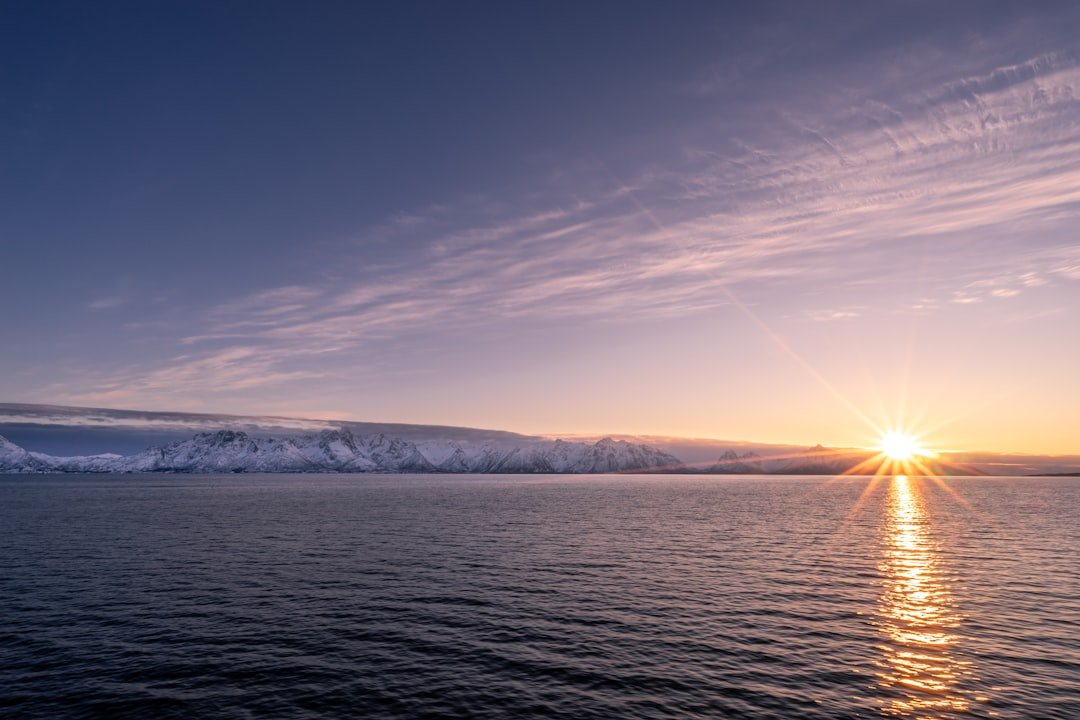
March 23 is Nordic Day, celebrating the culture, history, and natural beauty that defines the Nordic countries: Denmark, Finland, Iceland, Norway, and Sweden. This day serves as a reminder of the shared heritage and unique characteristics that bind these nations together while also highlighting their individual identities. Each country and territory boasts its own distinct traditions, languages, and landscapes, yet they all share a commitment to social welfare, environmental sustainability, and a high quality of life.
Nordic Day is not just a celebration; it is an opportunity for us to explore the fascinating stories behind these nations. From the Viking Age to modern-day innovations, the Nordic countries have made significant contributions to global culture and society. As we delve into the histories and cultures of Denmark, Finland, Iceland, Norway, and Sweden, we will uncover the unique elements that make each country special while appreciating the common threads that unite them in this vibrant region of Northern Europe.
Denmark: history, culture, and traditions
Denmark’s history is a captivating narrative that stretches back to the Viking Age when seafaring warriors roamed the seas, establishing trade routes and settlements across Europe. The legacy of these Vikings is still palpable today, influencing Danish culture and identity. As we explore Denmark’s past, we can see how it evolved from a collection of tribal kingdoms into a unified nation-state in the 10th century under King Harald Bluetooth.
This historical journey has shaped Denmark into a modern democracy known for its progressive values and high standard of living. Culturally, Denmark is renowned for its contributions to art, design, and literature. The concept of “hygge,” which embodies coziness and contentment, has become a defining aspect of Danish life.
We can see this reflected in their architecture, with minimalist designs that prioritize functionality and aesthetics. Additionally, Denmark has produced notable figures in literature, such as Hans Christian Andersen, whose fairy tales continue to enchant readers around the world. Traditional Danish celebrations, like Midsummer and Christmas, are steeped in customs that reflect the country’s agrarian roots and communal spirit.
These traditions foster a sense of belonging and connection among Danes, reinforcing their identity as a cohesive society.
Finland: geography, language, and famous inventions
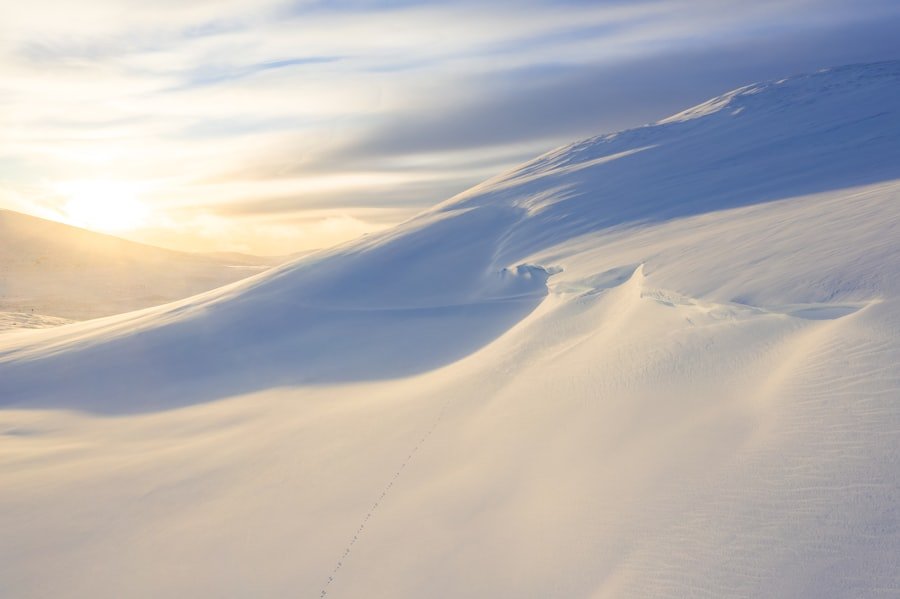
Yes, there is snow, and much, much more.
Finland’s geography is as unqiue as it is stunning. With over 188,000 lakes and an extensive archipelago along its coastline, we find ourselves surrounded by breathtaking natural beauty. The northern part of Finland lies within the Arctic Circle, where we can witness the mesmerizing phenomenon of the Northern Lights during winter months.
This unique landscape not only attracts tourists but also plays a crucial role in shaping Finnish culture and lifestyle. The connection to nature is deeply ingrained in Finnish society, with outdoor activities like hiking, skiing, and ice fishing being integral parts of daily life. The Finnish language is another fascinating aspect of this country.
Unlike most European languages, Finnish belongs to the Finno-Ugric language family, which also includes Estonian and Hungarian. This linguistic uniqueness can be challenging for outsiders to grasp but adds to Finland’s rich cultural tapestry. Moreover, Finland is known for its remarkable innovations; it has given the world groundbreaking inventions such as the sauna—a quintessential part of Finnish life—and the mobile phone game Angry Birds.
These contributions reflect Finland’s spirit of creativity and adaptability, showcasing how a small nation can have a significant impact on global culture.
Iceland: natural wonders, literature, and folklore
Iceland is often referred to as the “Land of Fire and Ice,” a fitting description for a country characterized by its dramatic landscapes shaped by volcanic activity and glacial formations. As we traverse this island nation, we encounter geysers, hot springs, and majestic waterfalls that captivate our senses. The Golden Circle route offers breathtaking views of some of Iceland’s most famous natural wonders, including Gullfoss waterfall and the geothermal area at Haukadalur, home to the famous Strokkur geyser.
This unique geography not only attracts tourists but also influences Icelandic culture and traditions. Literature holds a special place in Icelandic society, with a rich history dating back to the medieval sagas that recount tales of heroes and gods. We can appreciate how this literary tradition continues to thrive today through contemporary authors like Halldór Laxness, who won the Nobel Prize in Literature in 1955.
Additionally, Icelandic folklore is steeped in tales of elves and hidden people—mythical beings believed to inhabit the rugged landscapes. These stories reflect the deep connection between Icelanders and their environment, illustrating how nature inspires creativity and storytelling in this enchanting land.
Norway: outdoor Life, music, and famous explorers
Norway’s stunning fjords and rugged mountains provide an unparalleled playground for outdoor enthusiasts. As we explore this breathtaking landscape, we discover that activities such as hiking, skiing, and kayaking are not just pastimes but integral parts of Norwegian culture. The famous hiking trail to Preikestolen (Pulpit Rock) offers breathtaking views over Lysefjord and attracts adventurers from around the globe.
In winter months, we can embrace Norway’s snowy terrain through activities like cross-country skiing or dog sledding—experiences that connect us with nature in profound ways. Norway’s cultural contributions extend beyond its natural beauty; it has also produced remarkable musicians who have made their mark on the global stage. The haunting melodies of Edvard Grieg resonate with audiences worldwide, while contemporary artists like A-ha have left an indelible mark on pop music history.
Furthermore, Norway is known for its rich maritime history and famous explorers such as Roald Amundsen—the first person to reach both the South Pole and the North Pole. These explorations not only expanded our understanding of geography but also inspired generations to pursue adventure and discovery.
Sweden: cuisine, royal family, and innovative technology
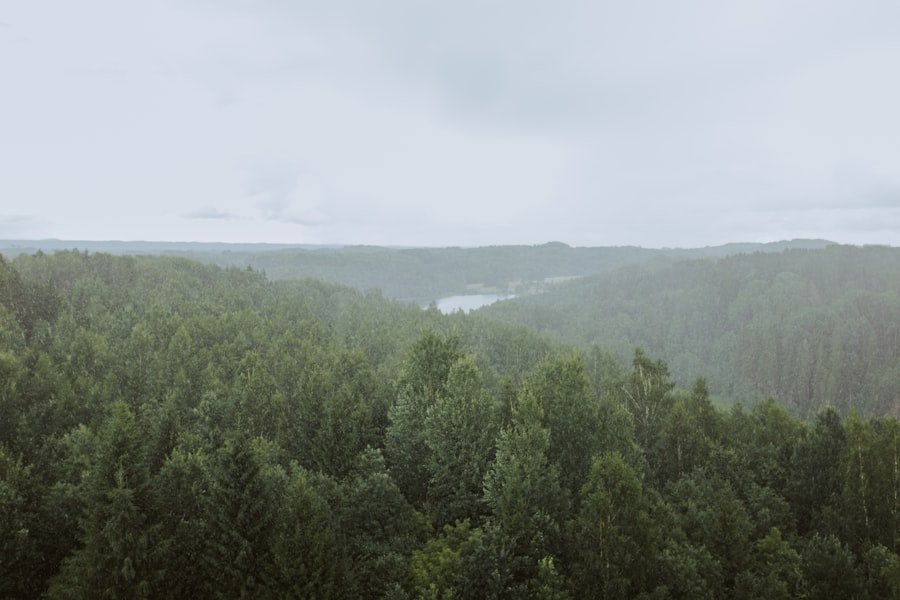
Even with large cities like Stockholm, there are millions of trees in Scandinavia.
Swedish cuisine offers a delightful blend of flavors that reflect both tradition and innovation. As we indulge in classic dishes like meatballs served with lingonberry sauce or gravlax (cured salmon), we can appreciate how food plays a central role in Swedish culture. Fika—a cherished coffee break accompanied by pastries—embodies the Swedish ethos of taking time to relax and connect with others over good food.
Additionally, Sweden is known for its unique culinary events such as Midsummer celebrations where herring and new potatoes take center stage. The Swedish royal family adds an intriguing layer to the nation’s identity. With a history dating back over a thousand years, the monarchy remains an important symbol of national unity.
We can admire their commitment to charitable work and cultural preservation while enjoying royal events that capture public interest. Furthermore, Sweden is recognized as a hub for innovation and technology; companies like Spotify and Ericsson have revolutionized industries worldwide. This spirit of creativity extends to various sectors—from sustainable design to cutting-edge research—showcasing how Sweden continues to lead in shaping the future.
In conclusion, as we celebrate Nordic Day together, we embrace the unqiue histories, cultures, and landscapes that define Denmark, Finland, Iceland, Norway, and Sweden. Each country offers unique stories that enrich our understanding of this remarkable region while reminding us of our shared values and connections. Through exploration and appreciation of these Nordic nations, we foster a deeper sense of unity and respect for the vibrant cultures that contribute to our global community.



 English