
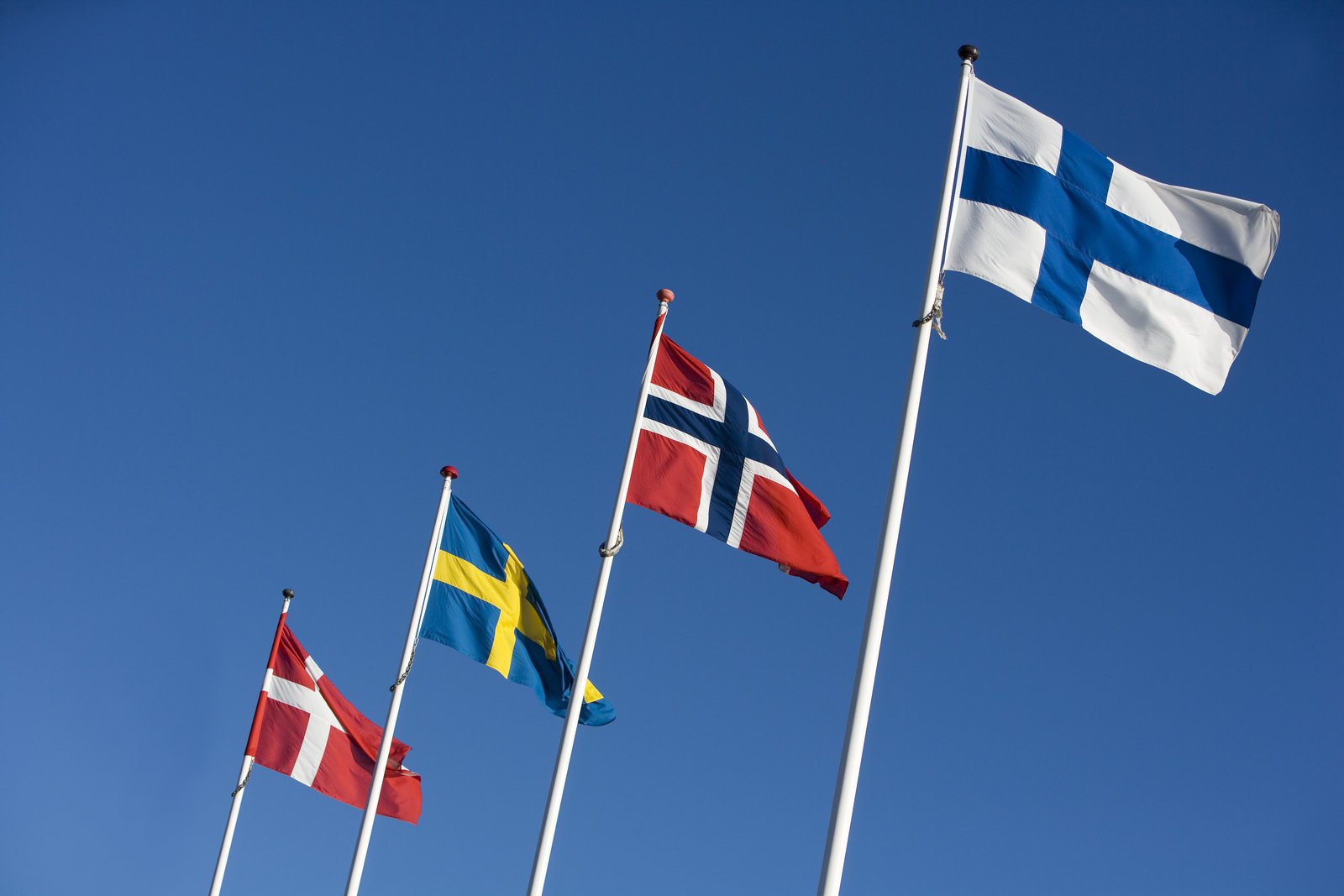
When you think of flags, what comes to mind? Perhaps the vibrant colors, the intricate designs, or the stories they tell. Nordic flags, in particular, are a fascinating tapestry of mix, culture, and identity.
These flags represent not just nations but also a shared heritage among the Nordic countries: Denmark, Norway, Sweden, Finland, Iceland, and even Greenland. Each flag carries its own unique symbolism and design elements, yet they all share a common thread—the Nordic cross. This cross symbolizes Christianity and has become a hallmark of Nordic identity.
The beauty of these flags lies not only in their aesthetics but also in the stories they tell about the people and places they represent. From the deep blue of the sea to the vibrant red of the earth, each color and design element has significance. As we explore the flags of these countries, we’ll uncover the rich histories and cultural narratives that have shaped them.
So grab a cup of coffee, settle in, and let’s embark on a journey through the colorful world of Nordic flags.
History of the Nordic Flags
The history of Nordic flags is as intricate as the designs themselves. The origins can be traced back to the Viking Age when banners were used to represent clans and tribes. These early flags were often adorned with symbols that held deep meaning for the people who carried them.
As Christianity spread through the region, the cross became a prominent feature in flag designs, marking a significant shift in both religious and cultural identity. The modern Nordic flags we recognize today began to take shape in the 19th century during a period of national awakening. Countries sought to establish their own identities separate from their historical ties to Denmark and Sweden.
This led to the adoption of distinct flags that still retained elements of their shared heritage.
The Nordic cross became a unifying symbol, representing not only individual nations but also a collective identity among the Nordic countries. This shared design has fostered a sense of camaraderie and connection that persists to this day.
The Flag of Norway
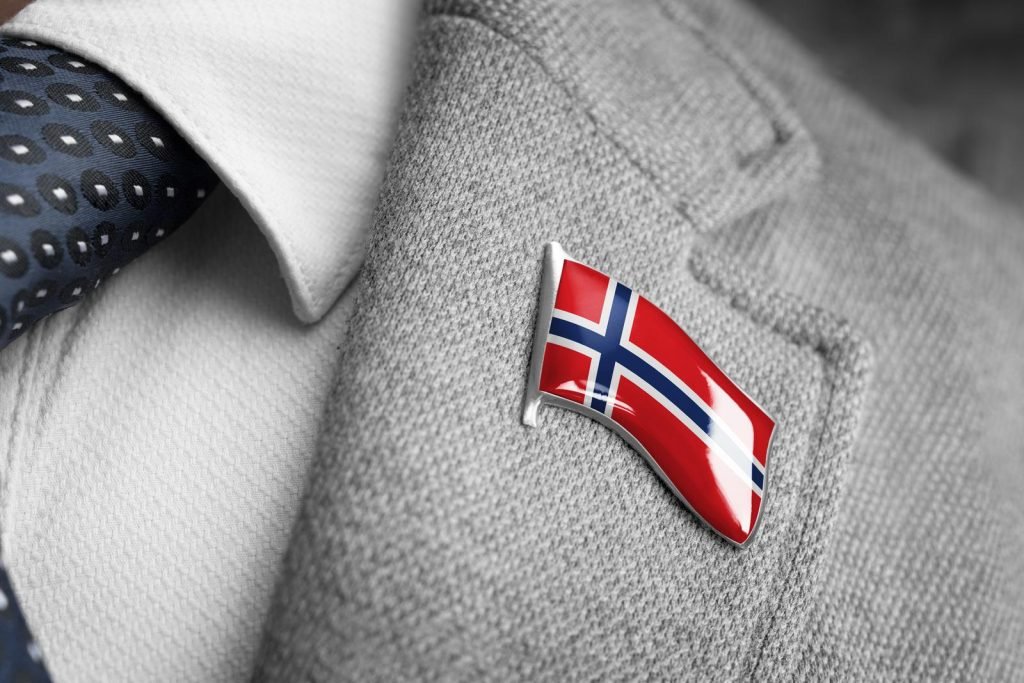
The flag of Norway is a striking combination of red, white, and blue, featuring a blue cross outlined in white on a red background. This design is not only visually appealing but also rich in symbolism. The red represents bravery and strength, while the blue signifies loyalty and truth.
The white cross symbolizes peace and purity, creating a harmonious balance that reflects Norway’s values. Historically, Norway’s flag has undergone several transformations. The current design was officially adopted in 1821, but its roots can be traced back to earlier banners used by Norwegian kings.
The blue cross is said to be inspired by the Danish flag, reflecting Norway’s historical ties to Denmark. However, it also incorporates elements that are distinctly Norwegian, making it a unique representation of national pride. The flag is often displayed during national holidays and celebrations, serving as a reminder of Norway’s rich history and cultural heritage.
The Flag of Sweden
Sweden’s flag is instantly recognizable with its bold blue field and golden yellow cross. This design is steeped in history and tradition, believed to have originated from a vision experienced by King Eric IX in the 12th century. According to legend, he saw a golden cross against a blue sky while on a pilgrimage to Jerusalem, which inspired the colors we see today.
The blue symbolizes loyalty and truth, while the yellow represents generosity and wealth. Together, they create a striking contrast that captures the essence of Sweden’s natural beauty—think of its vast blue lakes and golden fields of grain swaying in the summer breeze. The flag was officially adopted in 1906, but its roots run deep in Swedish culture.
It is commonly seen during Midsummer celebrations and other national festivities, embodying a sense of unity among Swedes both at home and abroad.
The Flag of Denmark
Denmark boasts one of the oldest national flags still in use today: the Dannebrog. Legend has it that this flag fell from the sky during a battle in 1219, inspiring Danish soldiers to victory. Its simple yet powerful design features a white cross on a red background, symbolizing Christianity and Denmark’s long-standing connection to its faith.
The colors red and white are often associated with courage and purity, respectively. The Dannebrog has become an enduring symbol of Danish identity and pride. It is prominently displayed during national holidays like Constitution Day and is often seen fluttering from homes and public buildings across the country.
The flag’s historical significance and its role in Danish culture make it more than just a piece of fabric; it represents centuries of tradition and resilience.
The Flag of Iceland
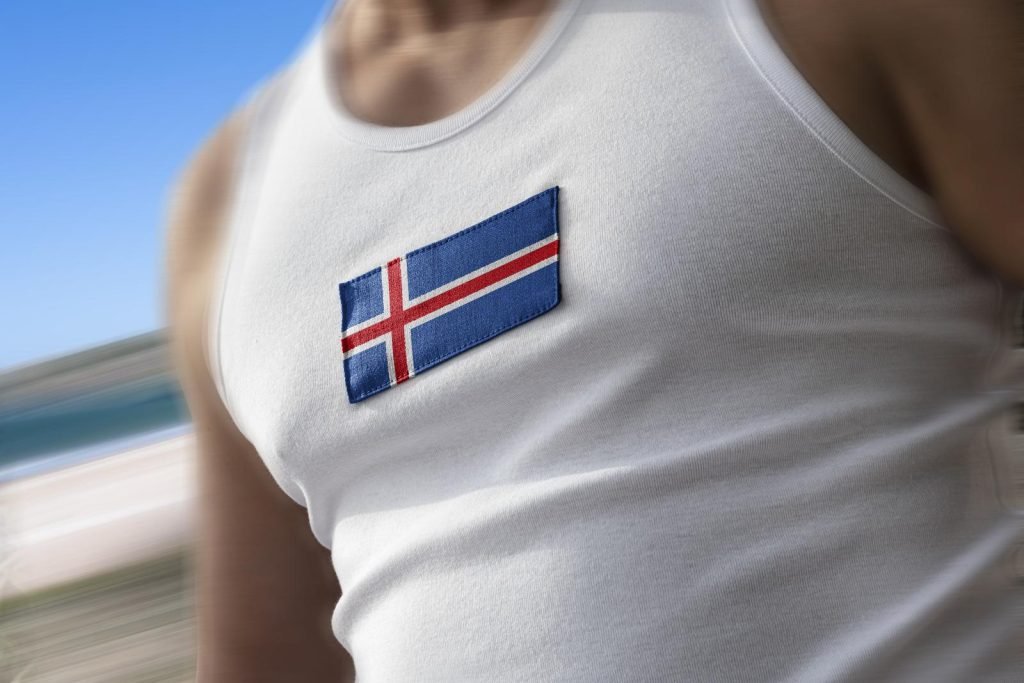
Iceland’s flag is a beautiful representation of its dramatic landscape—blue for the ocean surrounding the island, white for the glaciers that cover much of its terrain, and red for the volcanic fire that lies beneath. The design features a white cross with a red cross inside it on a blue field, creating a striking visual that captures the essence of this unique nation. Adopted in 1944 when Iceland became a republic, the flag reflects both natural elements and national pride.
The colors are said to symbolize Iceland’s natural beauty: the blue represents the vast skies and oceans, while white signifies purity and peace. The red stands for the volcanic activity that has shaped the island’s landscape over millennia. Icelanders take great pride in their flag, often displaying it during national holidays like Independence Day and Þjóðhátíð (National Festival), celebrating their rich cultural heritage.
The Flag of Finland
Finland’s flag is known as “Siniristilippu,” or “Blue Cross Flag,” featuring a blue Nordic cross on a white background. This design symbolizes Finland’s lakes and sky (the blue) against its snowy landscapes (the white). The simplicity of this flag speaks volumes about Finnish identity—proud yet understated.
The flag was officially adopted in 1918 after Finland gained independence from Russia in 1917. Its design reflects both natural beauty and national pride, embodying Finland’s connection to its environment. The blue represents not only lakes but also freedom and hope for the future, while white signifies purity and peace.
During national celebrations like Independence Day on December 6th, Finns proudly display their flag as a symbol of unity and resilience.
The Flag of Greenland
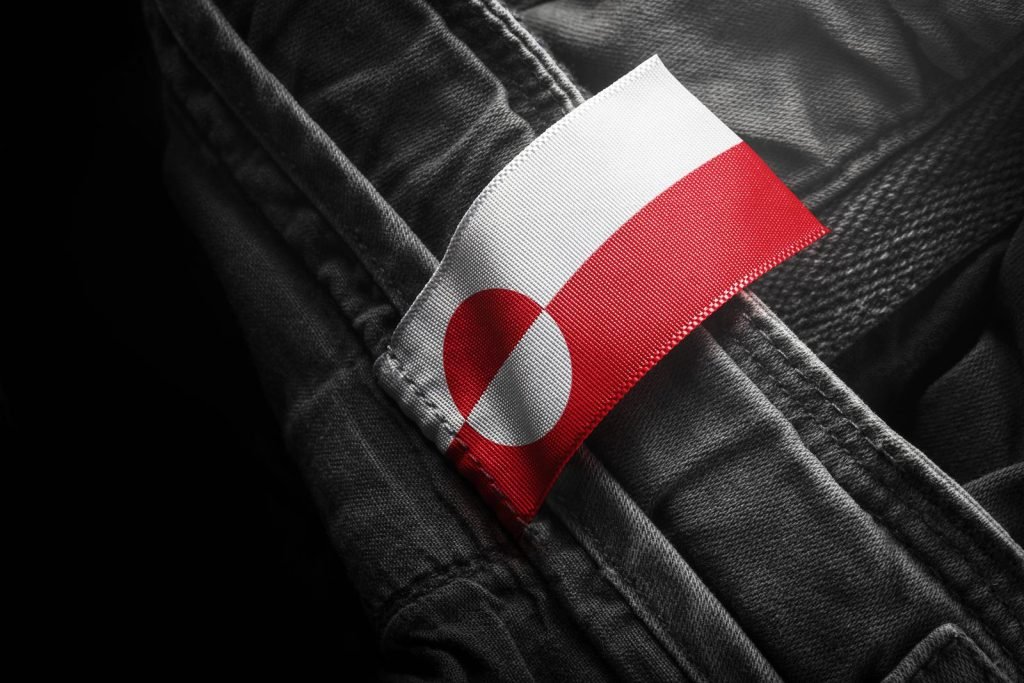
Greenland’s flag is distinctive with its bold red and white colors featuring a large circle that represents the sun setting over icebergs—a fitting tribute to this vast Arctic land. The top half is red while the bottom half is white; this design reflects both Greenland’s natural environment and its cultural heritage. Adopted in 1985, Greenland’s flag symbolizes not only its geographical features but also its Inuit culture.
The red represents the blood shed by those who fought for Greenland’s autonomy, while white signifies peace and hope for future generations. The circular motif embodies unity among Greenlanders as they navigate their unique identity within the Kingdom of Denmark. During celebrations like National Day on June 21st, Greenlanders proudly wave their flag as an expression of cultural pride and resilience.
In conclusion, Nordic flags are more than mere symbols; they encapsulate centuries of history, culture, and identity for each nation they represent. From Norway’s bold colors to Iceland’s striking landscapes reflected in fabric form, each flag tells a story that resonates with its people. As we explore these flags further, we gain insight into not only their designs but also what they mean to those who call these beautiful countries home.
Whether you’re planning a trip to Scandinavia or simply curious about these vibrant symbols, understanding their significance adds depth to your appreciation for this remarkable region of the world.







 English