
Nordic naming traditions are a fascinating tapestry woven from history, culture, and the natural world. In countries like Sweden, Norway, Denmark, Finland, and Iceland, names carry deep significance, often reflecting familial ties, historical legacies, and even the landscape itself. The way names are chosen and passed down can tell you a lot about the values and beliefs of a society.
For instance, many Nordic names are derived from Old Norse, a language that echoes the region’s rich mythology and storied past. This article will explore the intricate world of Nordic naming traditions, revealing how they have evolved over time while still holding onto their roots. As we journey through the history of Nordic names, we’ll uncover how these traditions have been shaped by various influences, from the Viking Age to modern societal changes.
Names in the Nordic countries are not merely labels; they are imbued with meaning and often carry a sense of identity that connects individuals to their heritage.
Whether it’s a name that honors a beloved ancestor or one that reflects the beauty of nature, each name tells a story.
So, let’s embark on this exploration of Nordic naming traditions and discover what makes them so unique.
Historical Roots of Nordic Names
The historical roots of Nordic names can be traced back to ancient times when the Norse people inhabited the region. Names were often derived from the natural environment, with many reflecting elements like mountains, rivers, and forests. For example, names such as Bjorn (bear) and Freya (goddess of love and fertility) not only signify personal identity but also connect individuals to the world around them.
This connection to nature is a hallmark of Nordic culture and is evident in the way names have been passed down through generations. In addition to nature-inspired names, many Nordic names have historical significance tied to legendary figures and events. The sagas of the Vikings are filled with tales of heroes and gods, and these stories have influenced naming conventions for centuries.
Names like Odin and Thor are not just remnants of mythology; they represent a cultural heritage that continues to resonate today. As societies evolved, so did naming practices, but the historical roots remain a vital part of the identity for many people in the Nordic countries.
The Influence of Viking Culture on Naming Traditions
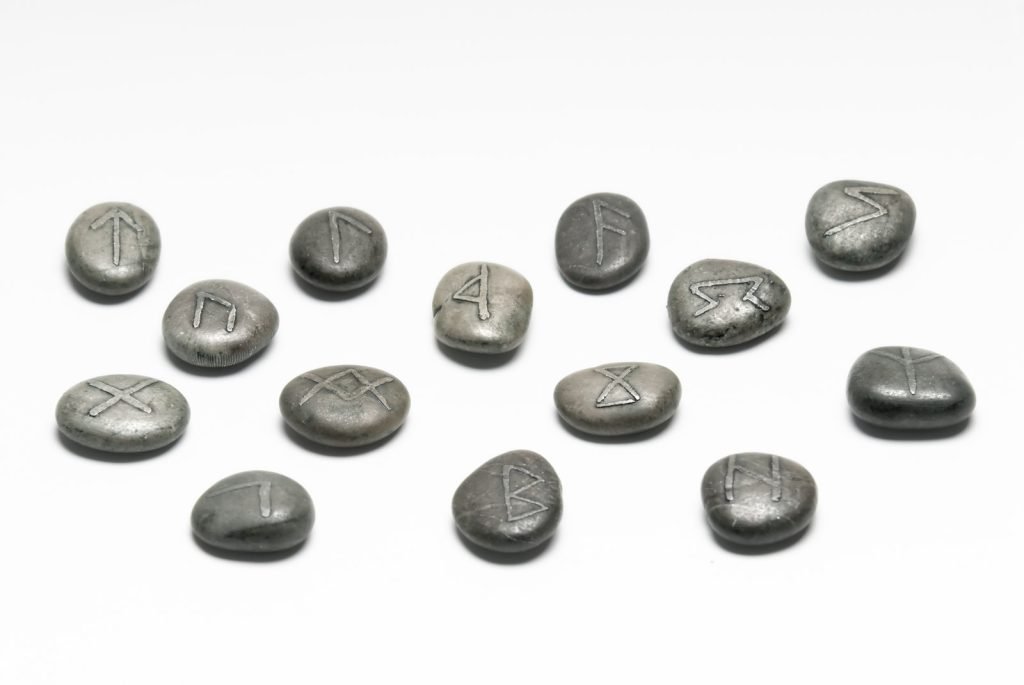
Nordic names involved much more than runes
The Viking Age, spanning from the late 8th to early 11th century, had a profound impact on Nordic naming traditions. During this time, Norse explorers, traders, and warriors ventured far beyond their homelands, leaving an indelible mark on the cultures they encountered. This era saw the emergence of patronymic naming systems, where children were given names based on their father’s name with the addition of “sen” (meaning “son”) or “dottir” (meaning “daughter”).
For instance, if a man named Erik had a son named Lars, the boy would be called Lars Eriksen. This practice not only reinforced family ties but also highlighted the importance of lineage in Viking society. Moreover, Viking culture celebrated strength and valor, which is reflected in many names that have endured through time.
Names like Astrid (divine strength) and Sigurd (victory) embody qualities that were highly valued in Viking society. Even today, many Nordic parents choose names that evoke these heroic traits for their children. The legacy of the Vikings is not merely historical; it continues to shape contemporary naming practices across the Nordic region.
Traditional Naming Patterns and Customs
Traditional naming patterns in Nordic countries often involve a blend of familial heritage and cultural significance. In many families, it is customary to name children after grandparents or other relatives as a way to honor family history. This practice fosters a sense of continuity and connection across generations.
In Iceland, for example, it is common for children to receive names that reflect their ancestry, with many opting for traditional Icelandic names that have been used for centuries. Another interesting aspect of Nordic naming customs is the celebration of name days. In several Nordic countries, individuals have specific days dedicated to their names, often linked to saints or historical figures.
On these days, friends and family may offer gifts or well-wishes, similar to a birthday celebration. This tradition adds another layer of meaning to names, as they become associated with personal milestones and communal celebrations.
Modern Trends in Nordic Naming
As society evolves, so do naming trends in the Nordic countries. While traditional names remain popular, there has been a noticeable shift towards more unique and modern choices in recent years. Parents are increasingly drawn to names that stand out or carry a contemporary flair.
This trend reflects a broader global movement where individuality is celebrated, and traditional norms are challenged. Interestingly, some parents are also looking to revive old names that have fallen out of favor over time. Names like Sigrid or Einar are making a comeback as people seek to reconnect with their heritage while still embracing modernity.
Additionally, there’s been an increase in gender-neutral names as societal views on gender continue to evolve. Names like Alex or Kim are becoming more common as parents seek options that transcend traditional gender boundaries.
Gender and Name Choices in Nordic Culture
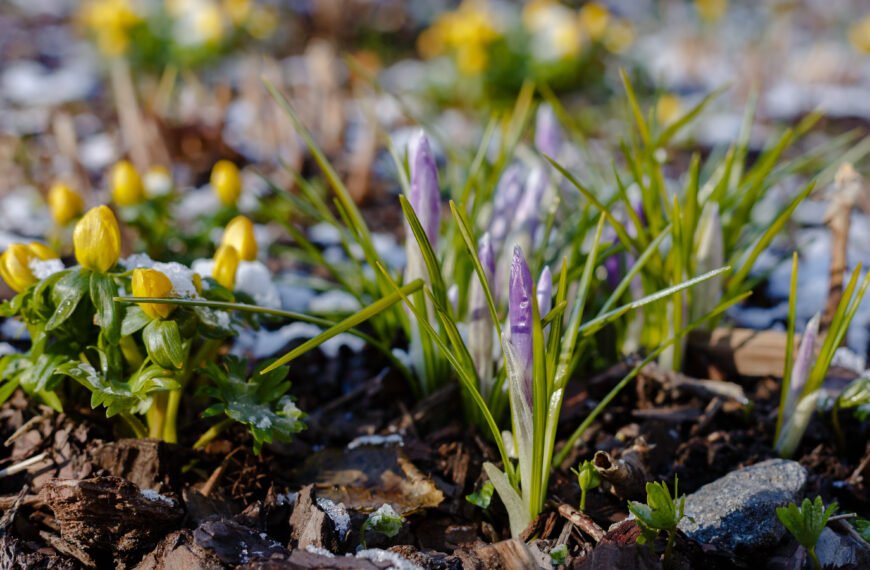
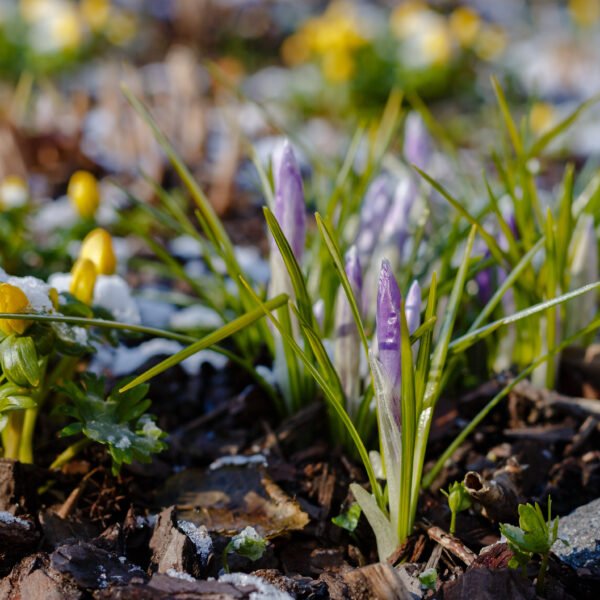
Nature played a major part in Nordic naming
Gender plays a significant role in naming conventions across the Nordic region. Traditionally, many names were distinctly male or female; however, there has been a growing acceptance of gender-neutral names in recent years. This shift reflects broader societal changes regarding gender identity and expression.
In countries like Sweden and Denmark, parents are increasingly choosing names that do not conform strictly to traditional gender norms. Moreover, some Nordic countries have specific laws governing name choices based on gender. For instance, in Iceland, parents must choose from an approved list of names for their children; this list is designed to ensure that names fit within Icelandic linguistic rules and cultural norms.
While this may seem restrictive to some, it also serves to preserve cultural heritage and maintain a connection to traditional naming practices.
Regional Variations in Nordic Naming Traditions
The Nordic region is not monolithic; each country has its own unique naming traditions influenced by local culture and history. In Sweden, for example, there’s a strong trend towards using surnames as first names—think of names like Lindgren or Johansson becoming popular first names for children. This practice reflects a sense of pride in family lineage while also embracing modern naming trends.
In contrast, Iceland maintains its distinct patronymic system more rigorously than its neighbors. The use of “sen” and “dottir” remains prevalent in Icelandic culture, creating a unique identity for individuals based on their parentage. This system can lead to some amusing situations; imagine meeting someone named Bjorn Bjornsson whose father was also named Bjorn!
Such quirks add character to Icelandic naming traditions and highlight the importance placed on family connections.
The Future of Nordic Naming: Preserving Tradition in a Modern World
As we look toward the future of Nordic naming traditions, it’s clear that there will be ongoing tension between preserving cultural heritage and embracing modernity. While many parents are eager to choose unique or contemporary names for their children, there remains a strong desire to honor family history and cultural roots. This duality creates an interesting dynamic where traditional names may evolve but still retain their significance.
In an increasingly globalized world, where cultures blend and influence one another more than ever before, it will be fascinating to see how Nordic naming traditions adapt while maintaining their essence.
Will we see more hybrid names that combine elements from different cultures?
Or will traditional names continue to hold sway as symbols of identity?



 English