
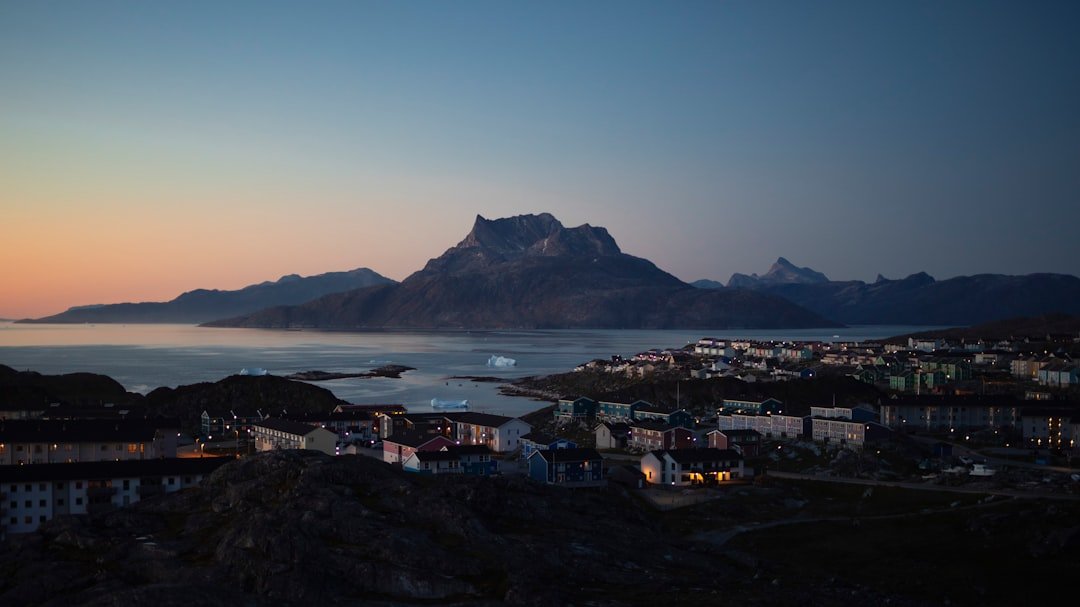
Nestled on the southwestern coast of Greenland, Nuuk (pronounced nuke) stands as a testament to the beauty and resilience of life in one of the world’s most remote locations. Often referred to as the littlest capital on a very big island, Nuuk is a vibrant hub that combines the charm of a small town with the responsibilities of a national capital. With a population of around 18,000 out of a population of 57,000, it may not be bustling like New York or Tokyo, but it possesses a unique character that draws visitors and residents alike into its embrace.
The city is surrounded by stunning fjords and mountains, offering breathtaking views that are hard to match anywhere else on the planet. Despite its size, Nuuk is rich in culture and history, serving as the political and economic heart of Greenland.
The city is a melting pot of traditional Inuit culture and modern influences, creating a fascinating juxtaposition that reflects the island’s complex identity. As you stroll through its streets, you’ll encounter colorful houses, contemporary architecture, and art that tells the story of its people. Nuuk is not just a place on the map; it’s a living narrative of survival, adaptation, and community spirit in one of the harshest environments on Earth.
The History and Culture of Nuuk, Greenland’s Capital
The history of Nuuk is as layered as the icebergs that float in its surrounding waters. Founded in 1728 by Danish-Norwegian missionary Hans Egede, the city was established as a trading post and mission station. This marked the beginning of a new chapter for the indigenous Inuit people, who had lived in the region for thousands of years prior. It also marked the beginning of colonialism, which still rings today. Although Greenland is internally autonomous and voted itself out of the European Union (EU), Denmark still controls defense and external affairs, which means Greenlanders enjoy the benefits of the EU and NATO. Denmark still also provides half of the total budget. It’s. conundrum on the best of days.
The arrival of Europeans brought significant changes to their way of life, introducing new technologies and trade opportunities while also leading to cultural shifts and challenges. Today, Nuuk is a vibrant cultural center where traditional Inuit practices coexist with modern life. The National Museum of Greenland and the Nuuk Center offers a glimpse into this rich heritage, showcasing artifacts that date back to the Thule culture and beyond.
Visitors can marvel at intricate kayaks, tools, and clothing that tell stories of survival in an unforgiving landscape. Additionally, local festivals celebrate Greenlandic traditions through music, dance, and storytelling, allowing both residents and visitors to connect with the island’s roots. The blend of old and new creates a dynamic atmosphere that is palpable throughout the city.
Nuuk’s Unique Position as the Capital of Greenland
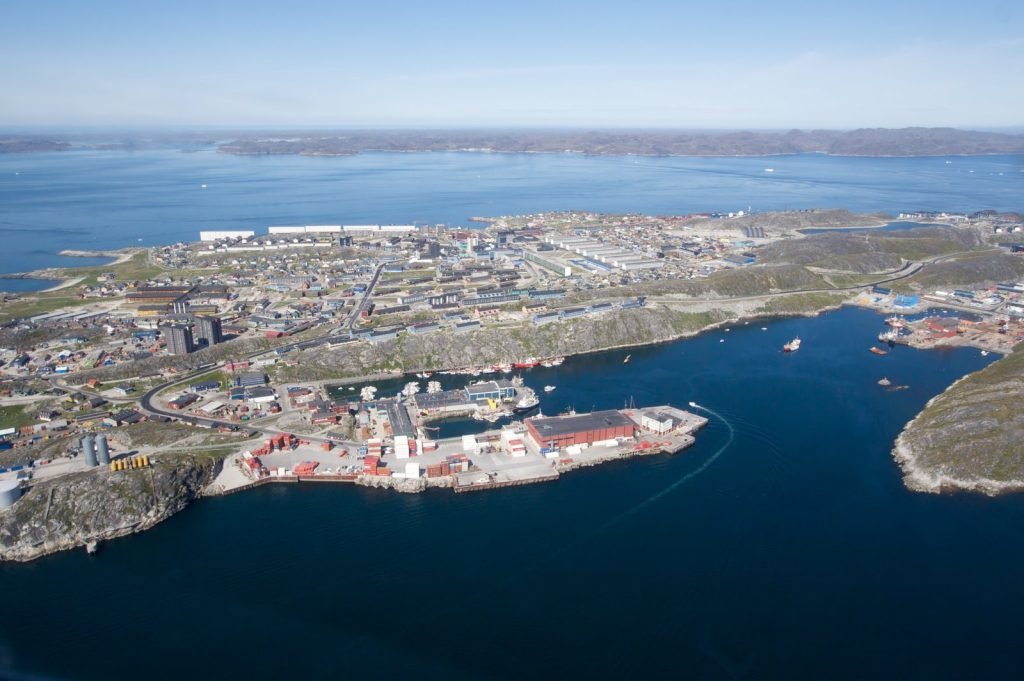
Yes, there is ice, but there are stop lights as well.
Nuuk’s status as Greenland’s capital comes with both advantages and challenges. As the administrative center, it houses key government institutions and serves as the focal point for political discourse in the country. This central role has made Nuuk a magnet for people from various parts of Greenland seeking education, employment, and services that may not be available in more remote areas.
The city feels disproportionately larger than it is – two main supermarkets, Pissifik and Brugsen, and a third smaller Spar, are the main shopping centers. Newly built suburbs are connected by roads, lacking in most of Greenland, and the newly re built airport finally connects the capital with jet capability. A teaching college and a newish university round out the importance of Nuuk.
The city’s growth reflects a broader trend of urbanization in Greenland, where many are drawn to the opportunities that urban life can provide. However, this unique position also brings challenges. The influx of people has led to increased demand for housing and services, straining resources in a city that is already grappling with the realities of living in an Arctic environment.
Infrastructure development must keep pace with population growth while respecting the delicate balance between modernity and tradition. As Nuuk continues to evolve, it must navigate these complexities while remaining true to its identity as a place where diverse cultures converge.
Exploring Nuuk: Attractions and Activities in Greenland’s Capital
For those who venture to Nuuk, a wealth of attractions awaits. The city is surrounded by stunning natural beauty, making it an ideal base for outdoor enthusiasts. Hiking trails weave through the rugged terrain, offering breathtaking views of the fjords and mountains.
One popular route is the hike to Mount Sermitsiaq, which rewards trekkers with panoramic vistas that are nothing short of spectacular.
In winter, these landscapes transform into a playground for snowshoeing and skiing, drawing adventurers eager to experience the Arctic wilderness.
Culturally inclined visitors will find plenty to explore within the city itself.
The Greenland National Museum is a must-visit destination, showcasing not only artifacts from Inuit history but also contemporary art from local artists. The museum’s exhibitions provide insight into Greenland’s past while celebrating its vibrant present. Nuuk Center hosts events and a theater. Additionally, Nuuk’s waterfront area is dotted with cafes and restaurants where you can savor local delicacies like fresh fish or reindeer stew while soaking in views of the harbor. The city has finally created better sewage facilities as well, and the notorious “chocolate factory” is largely part of the past.
Whether you’re an adrenaline junkie or a culture buff, Nuuk offers an array of activities that cater to diverse interests.
The Challenges and Opportunities of Living in Nuuk
Living in Nuuk comes with its own set of challenges that residents have learned to navigate with resilience and creativity. The harsh Arctic climate means long winters with limited daylight hours and temperatures that can plummet well below freezing. This can lead to feelings of isolation for some residents, particularly during the dark months when outdoor activities are limited.
However, the community spirit in Nuuk is strong; locals often come together for social events and gatherings that help combat loneliness and foster connections. On the flip side, these challenges also present opportunities for innovation and growth. The need for sustainable solutions has led to initiatives aimed at improving energy efficiency and reducing reliance on imported fossil fuels.
Local entrepreneurs are finding ways to harness renewable energy sources like wind and solar power, paving the way for a greener future. Additionally, as climate change reshapes the Arctic landscape, Nuuk stands at the forefront of discussions about environmental stewardship and adaptation strategies. Residents are not merely surviving; they are actively shaping their future in response to both challenges and opportunities.
Nuuk’s Role in Greenland’s Future
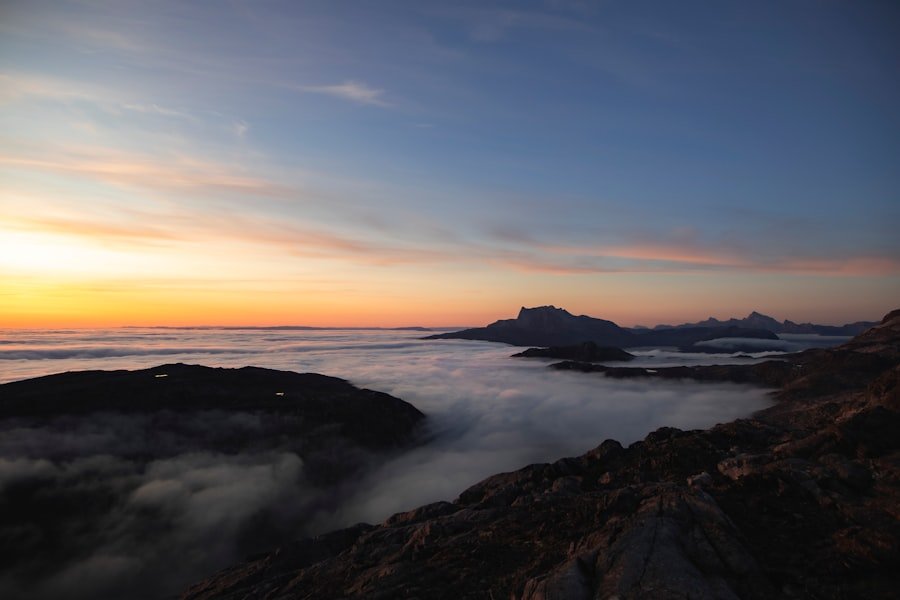
Nuuk is part of a vast ecosystem.
A Hub for Sustainable Industries
As Greenland navigates its path toward greater autonomy and self-determination, and the onslaught of American attention. Nuuk will play a pivotal role in shaping the nation’s future. The capital is not only a political center but also an incubator for ideas and innovation that can drive economic development across the island. With its strategic location and access to resources, Nuuk has the potential to become a hub for sustainable industries such as tourism, fishing, and renewable energy.
A Crossroads for Indigenous Rights and Environmental Protection
Moreover, as global interest in the Arctic region grows due to climate change and geopolitical dynamics, Nuuk finds itself at a crossroads. The city can leverage its unique position to advocate for indigenous rights and environmental protection (the people of the north are connected from Greenland to Russia) while fostering economic growth that benefits all Greenlanders. By embracing its cultural heritage while looking toward the future, Nuuk can serve as a model for other small capitals around the world facing similar challenges.
A Unique Destination Worth Exploring
In conclusion, Nuuk may be small in size but it is mighty in spirit. Its rich history, vibrant culture, and stunning natural beauty make it a unique destination worth exploring. As it faces both challenges and opportunities on its journey forward, Nuuk stands poised to play an essential role in shaping not only Greenland’s future but also its own identity as a capital city on one of the world’s largest islands. Whether you’re drawn by adventure or culture—or perhaps both—Nuuk invites you to experience life at its most authentic in this remarkable, and controversial, corner of the world.





 English