
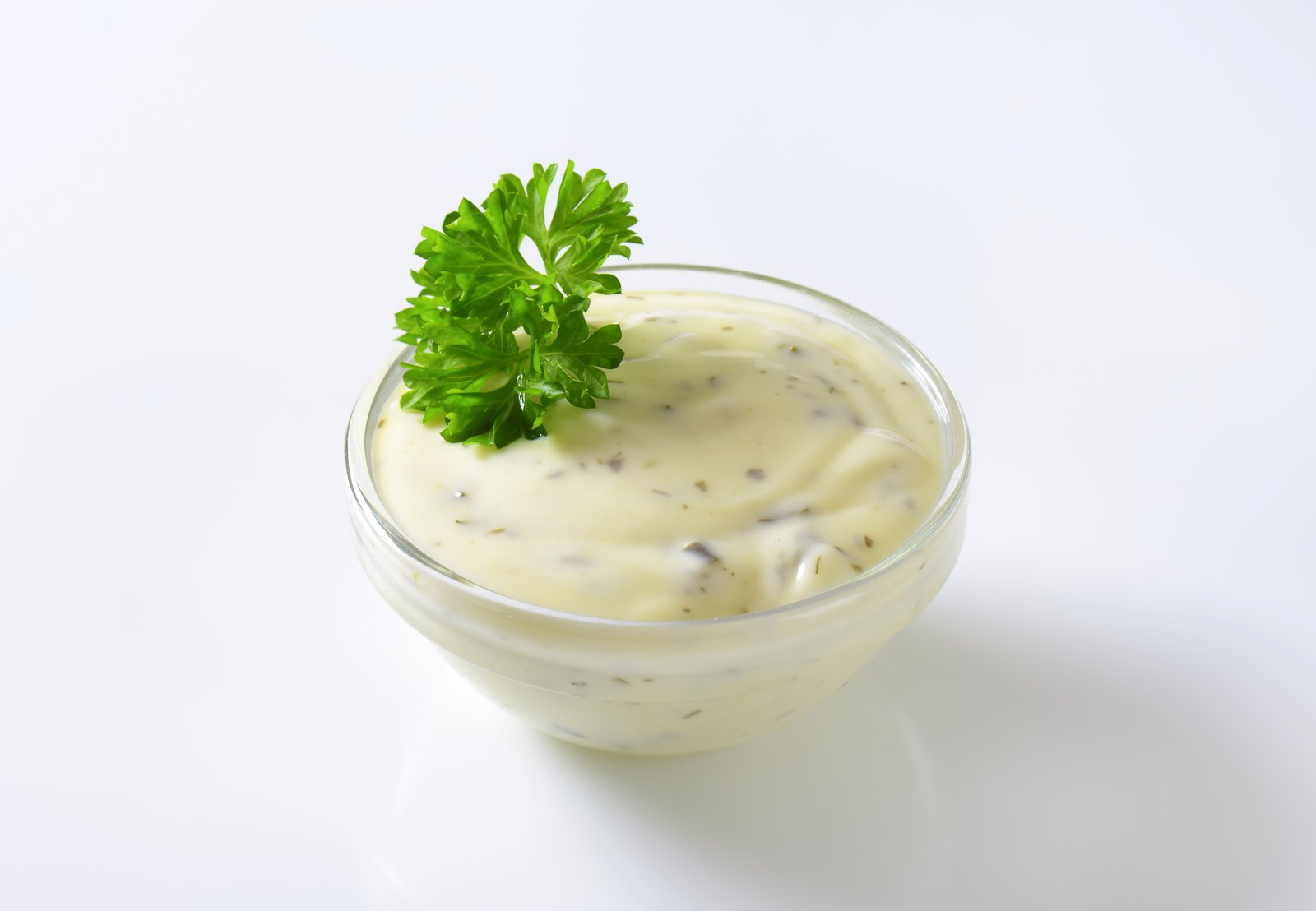
Remoulade, a condiment that has become a staple in Danish cuisine, boasts a rich history that intertwines with the culinary traditions of several European nations. Somehow, though, it’s become a culinary staple in Denmark.
Remoulade’s roots can be traced back to France, where the original remoulade sauce was crafted in the 17th century. This French version was a sophisticated blend of mayonnaise, mustard, and various herbs and spices, designed to elevate the flavors of seafood and meats.
As culinary practices evolved and crossed borders, the sauce found its way to Denmark, where it underwent a transformation to suit local tastes and ingredients. It tastes roughly as if mayo and mustard had a love child. In Denmark, remoulade took on a life of its own, becoming a beloved accompaniment that reflects the country’s penchant for simplicity and flavor. The Danish version typically incorporates ingredients like capers, pickles, and fresh herbs, creating a tangy and creamy sauce that complements a variety of dishes.
This adaptation not only highlights the Danish love for fresh, local produce but also showcases their ability to take inspiration from other cultures and make it distinctly their own. The evolution of remoulade in Denmark is a testament to the country’s culinary creativity and its ability to embrace and enhance global influences.
The Versatility of Remoulade in Danish Dishes
Versatility in Flavor and Texture
Its creamy texture and zesty flavor profile make remoulade an ideal partner for a wide range of ingredients, from seafood to vegetables. This adaptability extends beyond its use as a condiment, allowing it to be incorporated into salads, used as a base for dressings, or even blended into marinades.
A Canvas for Creativity
The flexibility of remoulade allows home cooks and professional chefs alike to experiment with flavors and textures, creating unique dishes that pay homage to Danish culinary traditions while also pushing the boundaries of creativity. With the ability to customize remoulade with different herbs, spices, or even heat levels, it can cater to various palates, making it a beloved choice for gatherings and family meals.
A Sauce for Every Palate
Remoulade’s versatility and customizability make it a sauce that can be enjoyed by everyone. Whether you’re a fan of traditional Danish cuisine or looking to add a new twist to your favorite dishes, remoulade is the perfect addition to any meal.
Popular Danish Dishes That Feature Remoulade
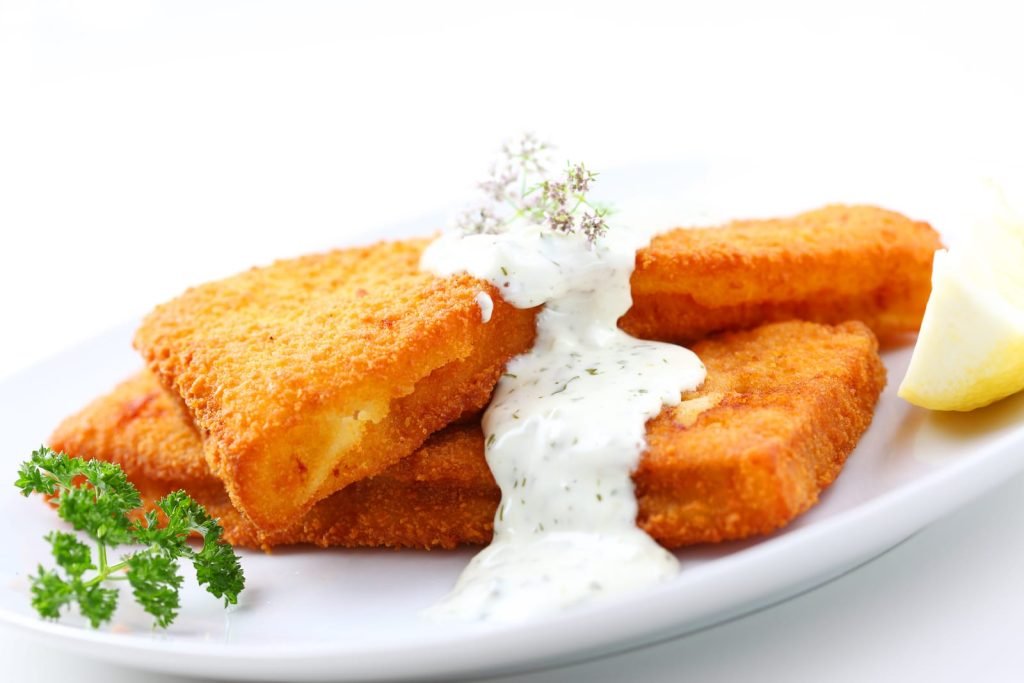
If it’s fish, it’s remoulade.
When it comes to popular Danish dishes that showcase remoulade, the list is as diverse as it is delicious. One of the most iconic pairings is with “fiskefrikadeller,” or fish cakes. These savory morsels are typically made from minced fish mixed with flour, eggs, and spices, then pan-fried to golden perfection.
A generous dollop of remoulade on the side not only enhances the flavor but also adds a refreshing contrast to the richness of the fish cakes. Another beloved dish that features remoulade is smørrebrød, the famous Danish open-faced sandwich. This culinary masterpiece often includes layers of herring, roast beef, or liver pâté, all beautifully arranged on a slice of dense rye bread.
Remoulade serves as an essential component in many variations of smørrebrød, providing a creamy element that ties together the various toppings. The combination of flavors and textures creates a delightful experience that showcases the best of Danish cuisine.
The Cultural Significance of Remoulade in Denmark
Remoulade holds a special place in the hearts of Danes, transcending its role as a mere condiment to become a symbol of national pride and culinary heritage. It embodies the spirit of Danish cooking—simple yet flavorful, rooted in tradition yet open to innovation. For many Danes, enjoying remoulade is not only about taste; it’s about connection—sharing meals with family and friends while celebrating their cultural identity.
In Denmark, remoulade is often associated with gatherings and celebrations. Whether it’s a summer barbecue or a festive holiday feast, this sauce makes an appearance at the table, bringing people together over shared dishes and cherished memories. Its presence in everyday meals also reflects the Danish concept of hygge, which emphasizes comfort and coziness in social settings.
Remoulade is more than just a sauce; it’s an integral part of the Danish way of life.
How to Make Authentic Danish Remoulade at Home
Creating authentic Danish remoulade at home is surprisingly simple and requires only a handful of ingredients. To start, gather mayonnaise as your base—homemade or store-bought will work fine. Then, chop up some pickles and capers finely; these will provide that signature tangy flavor that defines remoulade. Some go a step further and added spicy mustard.
Fresh herbs like dill or parsley can be added for an aromatic touch, while a squeeze of lemon juice will brighten up the overall taste. Mix all these ingredients together in a bowl until well combined. Taste your creation and adjust seasoning as needed—perhaps a pinch of salt or pepper will do the trick.
For those who enjoy a bit of heat, consider adding a dash of hot sauce or some finely chopped chili peppers. Once you’ve achieved your desired flavor profile, let the remoulade sit in the refrigerator for at least an hour before serving; this allows the flavors to meld beautifully. Serve it alongside your favorite dishes or use it as a dip for fresh vegetable.
Exploring the Unique Flavors of Danish Cuisine with Remoulade

Where’s the remoulade?
Danish cuisine is characterized by its emphasis on fresh ingredients and bold flavors, and remoulade serves as an excellent gateway to exploring this culinary landscape. The sauce’s unique combination of creaminess and tanginess complements many traditional dishes while also inviting experimentation with new flavors. As you venture into the world of Danish cooking, consider how remoulade can enhance your meals.
Pairing remoulade with seasonal vegetables can create delightful contrasts in taste and texture. For instance, serving it alongside roasted root vegetables or crisp salads can elevate these simple dishes into something extraordinary. Additionally, experimenting with different types of fish or meats can lead to exciting new flavor combinations that highlight the versatility of both remoulade and Danish cuisine as a whole.
Whether you’re enjoying classic dishes or trying your hand at modern interpretations, remoulade remains an essential companion that brings out the best in every bite. In conclusion, remoulade is more than just a condiment in Denmark; it’s a celebration of flavor, culture, and community. From its origins in French cuisine to its beloved status in Danish households, this sauce has proven its worth time and again.
So next time you find yourself enjoying a plate of fish cakes or an open-faced sandwich, remember that you’re not just tasting food—you’re experiencing a rich tapestry of history and tradition woven together by the simple yet profound act of sauce making.







 English