
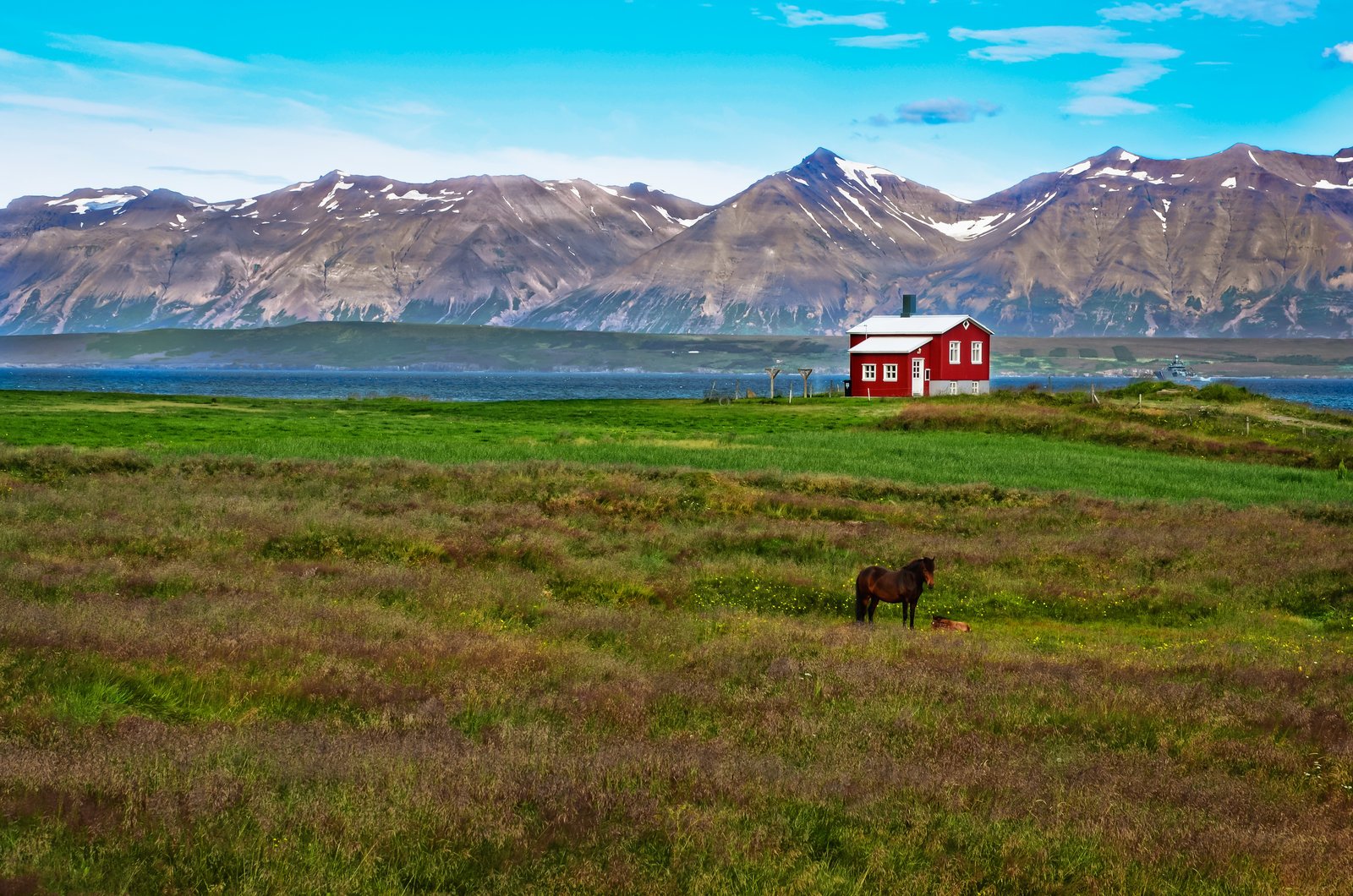
The Icelandic horse is a breed steeped in history, tracing its roots back to the Viking Age. When Norse settlers arrived in Iceland around the 9th century, they brought with them their trusty steeds, which were well-suited for the rugged terrain and harsh climate of the island. These horses were not only a means of transportation but also a vital part of daily life, assisting in farming and herding livestock.
Over the centuries, the breed has remained relatively pure due to Iceland’s geographical isolation and strict import laws, which have prevented outside breeds from diluting its unique genetic pool. As time passed, the Icelandic horse evolved into a hardy and resilient breed, capable of withstanding the island’s extreme weather conditions. The horses became integral to Icelandic culture, featuring prominently in folklore and traditional sagas.
They were celebrated not just for their utility but also for their spirit and character. Today, the Icelandic horse is recognized for its unique gaits and friendly disposition, making it a beloved companion for both locals and visitors alike. The breed’s history is a testament to the enduring bond between humans and horses, shaped by the challenges of life on this remote island.
Unique Characteristics of the Icelandic Horse
What sets the Icelandic horse apart from other breeds is its remarkable adaptability and unique gaits. Standing at an average height of 13 to 14 hands, these compact horses are surprisingly strong for their size. They possess a thick mane and tail, which not only adds to their charm but also provides insulation against the cold.
Their sturdy build and dense coat make them well-suited for Iceland’s unpredictable weather, allowing them to thrive in conditions that would leave many other breeds shivering in their stables. One of the most fascinating aspects of the Icelandic horse is its ability to perform five distinct gaits: walk, trot, canter, tölt, and flying pace. The tölt is particularly noteworthy; it’s a smooth, four-beat gait that allows riders to cover ground quickly while maintaining comfort.
This unique gait has made the Icelandic horse a favorite among equestrians who appreciate a smooth ride over long distances. The flying pace, on the other hand, is a two-beat lateral gait used in racing, showcasing the horse’s speed and agility. These characteristics not only make the Icelandic horse a joy to ride but also a captivating subject for photographers looking to capture their dynamic movement.
The Icelandic Landscape and Its Impact on Horse Photography
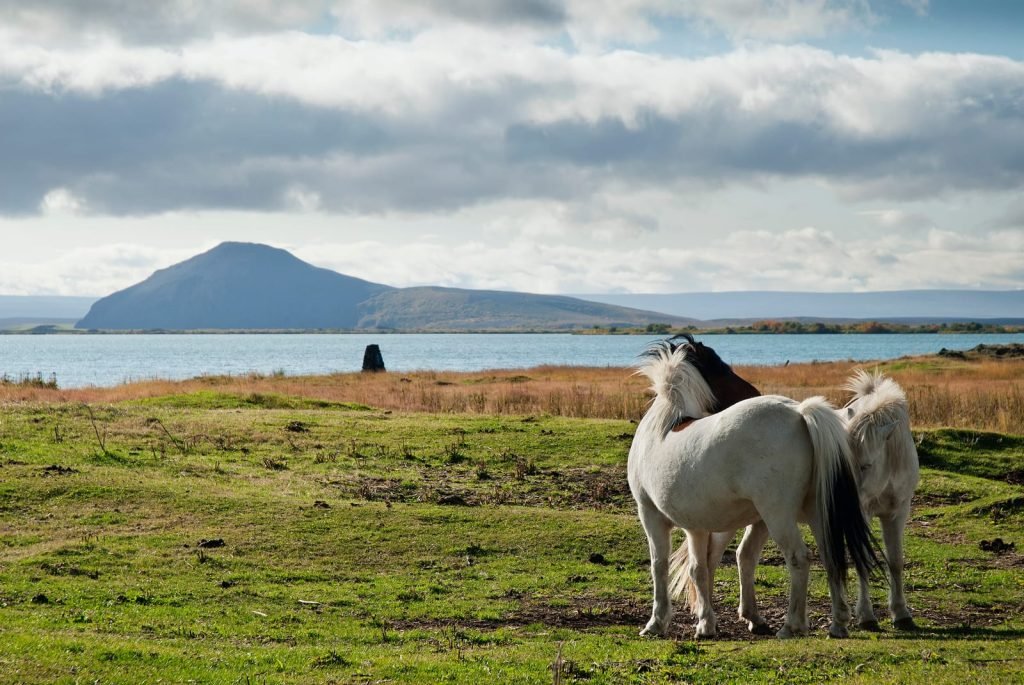
Beautiful, and the scenery isn’t bad either
Iceland’s dramatic landscape serves as a breathtaking backdrop for photography, especially when it comes to capturing the beauty of the Icelandic horse. The country is known for its stunning contrasts—think black sand beaches juxtaposed against towering glaciers, or lush green valleys framed by rugged mountains. This diverse terrain provides endless opportunities for photographers to create striking images that highlight both the horse and its environment.
The interplay between light and landscape in Iceland can be magical. The soft glow of the midnight sun during summer or the ethereal quality of twilight in winter can transform an ordinary scene into something extraordinary. Photographers often find themselves inspired by the way these horses interact with their surroundings—galloping across volcanic plains or standing majestically against a backdrop of cascading waterfalls.
The unique geography not only enhances the visual appeal of horse photography but also tells a story about the resilience and spirit of both the horses and their homeland.
The Connection Between Icelandic Culture and the Icelandic Horse
The bond between Icelandic culture and the Icelandic horse runs deep, woven into the very fabric of daily life on the island. For centuries, these horses have been more than mere animals; they are symbols of national pride and cultural identity. Festivals celebrating the breed are common, where locals gather to showcase their horses’ skills and beauty.
These events foster a sense of community and connection among horse enthusiasts, reinforcing the idea that these animals are integral to Iceland’s heritage. Moreover, the Icelandic horse features prominently in folklore and mythology. Tales of magical horses that could traverse land and sea abound in Icelandic sagas, reflecting the deep respect and admiration that locals have for these creatures.
This cultural significance extends beyond stories; it manifests in art, music, and even language.
The term “hestur,” meaning horse in Icelandic, is often used affectionately to refer to these beloved animals. This connection enriches the experience of riding or photographing an Icelandic horse, as one becomes part of a long-standing tradition that honors both nature and culture.
The Versatility of the Icelandic Horse in Photography
When it comes to photography, the Icelandic horse is incredibly versatile. Its unique gaits and expressive nature make it an ideal subject for various styles of photography—from action shots capturing its speed to serene portraits that highlight its gentle demeanor. Photographers can experiment with different angles and compositions to showcase not only the horse itself but also its relationship with the stunning landscapes that surround it.
Moreover, the Icelandic horse’s adaptability extends beyond its physical attributes; it can be photographed in various settings and situations. Whether galloping through a field of wildflowers or standing stoically against a backdrop of snow-capped mountains, these horses bring an element of dynamism to any photograph. Their curious expressions and playful antics add personality to images, making them relatable and engaging for viewers.
This versatility allows photographers to tell diverse stories through their work, capturing moments that resonate with audiences far beyond Iceland’s shores.
The Relationship Between Icelandic Horses and Their Handlers
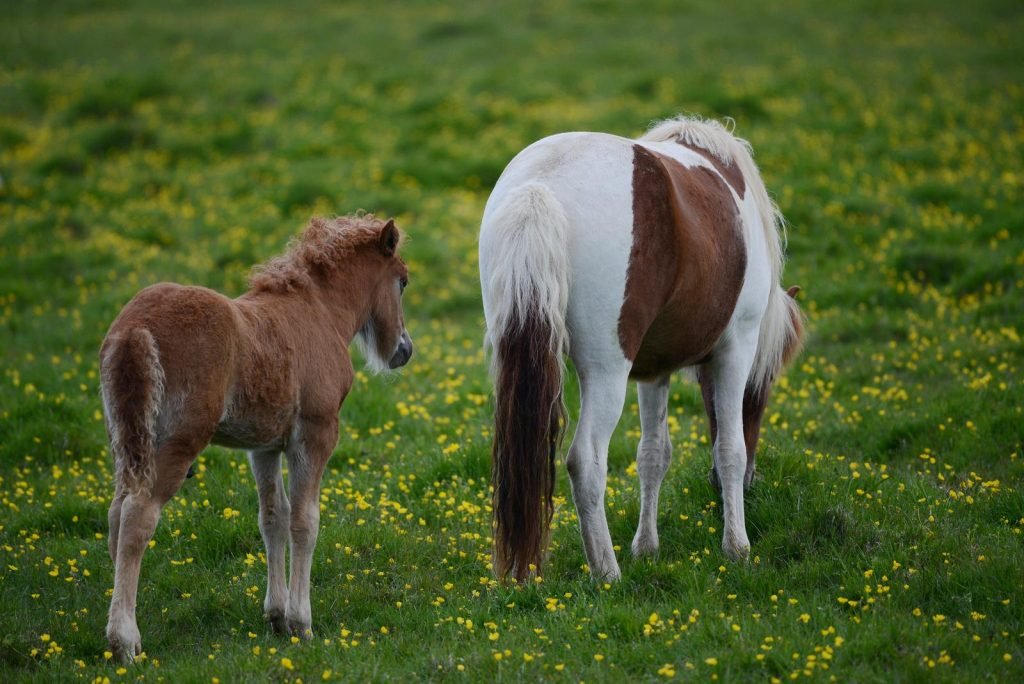
Mutual Trust and Respect
The connection between an Icelandic horse and its handler is often profound, characterized by mutual trust and respect. Many handlers grow up with these horses, forming connections that last a lifetime. This relationship is built on understanding each other’s cues—horses are incredibly perceptive creatures that can sense their handler’s emotions and intentions.
A Collaborative Partnership
As a result, training often becomes a collaborative process rather than a one-sided endeavor. Handlers often speak about their horses as if they were family members, sharing anecdotes about their quirks and personalities. This deep connection is evident during training sessions or competitions when handlers communicate with their horses through subtle body language and voice commands.
Capturing the Emotional Bond
Such interactions create a sense of harmony that can be beautifully captured in photographs. A well-timed shot can reveal not just the physical prowess of the horse but also the emotional bond shared between horse and handler—a testament to years of companionship.
Capturing the Spirit of the Icelandic Horse in Photography
To truly capture the spirit of the Icelandic horse in photography requires more than just technical skill; it demands an understanding of what makes these animals unique. Their expressive eyes often convey a sense of curiosity or playfulness that can be mesmerizing when caught on camera. Photographers should aim to capture those fleeting moments—whether it’s a horse frolicking in a field or standing majestically against a dramatic sunset.
Lighting plays a crucial role in conveying emotion in photographs. The soft glow of early morning or late afternoon light can enhance the natural beauty of these horses while adding depth to the surrounding landscape. Additionally, incorporating elements like wind or rain can evoke feelings of freedom and wildness that resonate with viewers.
Ultimately, capturing the spirit of the Icelandic horse involves telling a story—one that reflects not only their physical beauty but also their connection to nature and culture.
Tips for Taking Stunning Photos of Icelandic Horses
If you’re eager to capture stunning photographs of Icelandic horses, there are several tips worth considering. First, timing is everything; early mornings or late afternoons provide soft lighting that enhances colors and textures while avoiding harsh shadows. Be patient—horses can be unpredictable, so waiting for that perfect moment can yield incredible results.
Experimenting with different angles can also elevate your photography game. Get low to the ground for dramatic shots or shoot from above to capture their movement against expansive landscapes. Don’t forget to include elements of their environment; framing your subject with mountains or waterfalls can create context that adds depth to your images.
Lastly, building rapport with your subject is essential.
Spend time getting to know the horses (close but respectfully distant) before snapping away; this will help you capture genuine expressions and interactions that tell a story beyond mere visuals. With these tips in mind, you’ll be well on your way to creating breathtaking photographs that celebrate both the beauty of Icelandic horses and their beautiful homeland.



 English