
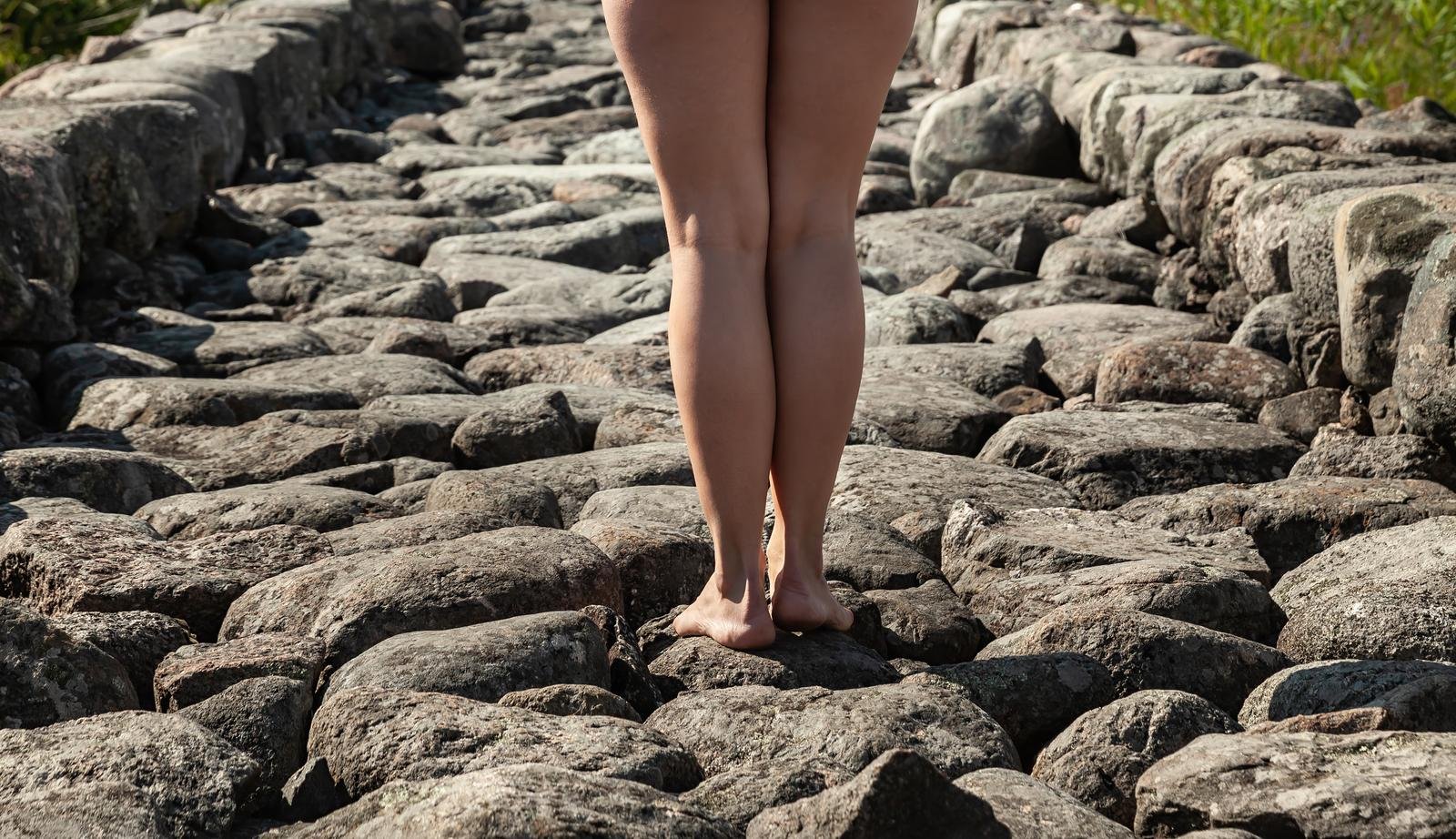
In Scandinavia, nudity is often viewed through a lens of practicality and naturalness rather than shame or taboo. This cultural acceptance can be traced back to a long history of outdoor living and a deep connection with nature. The Nordic countries—Denmark, Norway, Sweden, Finland, and Iceland—have climates that encourage a lifestyle intertwined with the great outdoors.
Here, the human body is seen as a natural part of the landscape, much like the trees, lakes, and mountains that surround them. This perspective fosters an environment where nudity is not only accepted but celebrated in various contexts, from beaches to festivals. The Scandinavian approach to nudity is also reflected in their art and literature.
Many works from the region depict the human form in its natural state, emphasizing beauty and vulnerability. This artistic representation reinforces the idea that nudity is not something to be hidden away but rather embraced as part of the human experience. In public spaces, especially in Denmark and Sweden, such as parks and beaches, it’s common to see people sunbathing or swimming without clothing, a practice that might raise eyebrows elsewhere but is met with indifference in these parts.
This cultural norm encourages a sense of freedom and comfort with one’s body, allowing individuals to express themselves without fear of judgment.
The Influence of Naturism on Sunbathing and Outdoor Activities
Naturism plays a significant role in shaping how Scandinavians engage with sunbathing and outdoor activities. The philosophy behind naturism promotes a lifestyle that embraces nudity as a means of fostering a deeper connection with nature and oneself. In Scandinavian countries, this philosophy has found its way into everyday life, particularly during the warmer months when people flock to beaches, lakes, and forests.
The practice of sunbathing in the nude is not merely about soaking up the sun; it’s about experiencing the elements in their purest form.
Many Scandinavian beaches have designated areas for naturists, where individuals can enjoy the sun and surf without the constraints of clothing.
These spaces are often well-maintained and respected by both naturists and textile beachgoers alike.
The atmosphere is typically relaxed and friendly, with an unspoken understanding that everyone is there to enjoy nature in their own way. This acceptance encourages people to shed their inhibitions along with their clothes, leading to a more profound appreciation for the environment around them. Whether it’s feeling the warmth of the sun on bare skin or the coolness of water against one’s body, these experiences are integral to the Scandinavian love for outdoor activities.
Nudity as a Form of Connection with Nature and the Environment
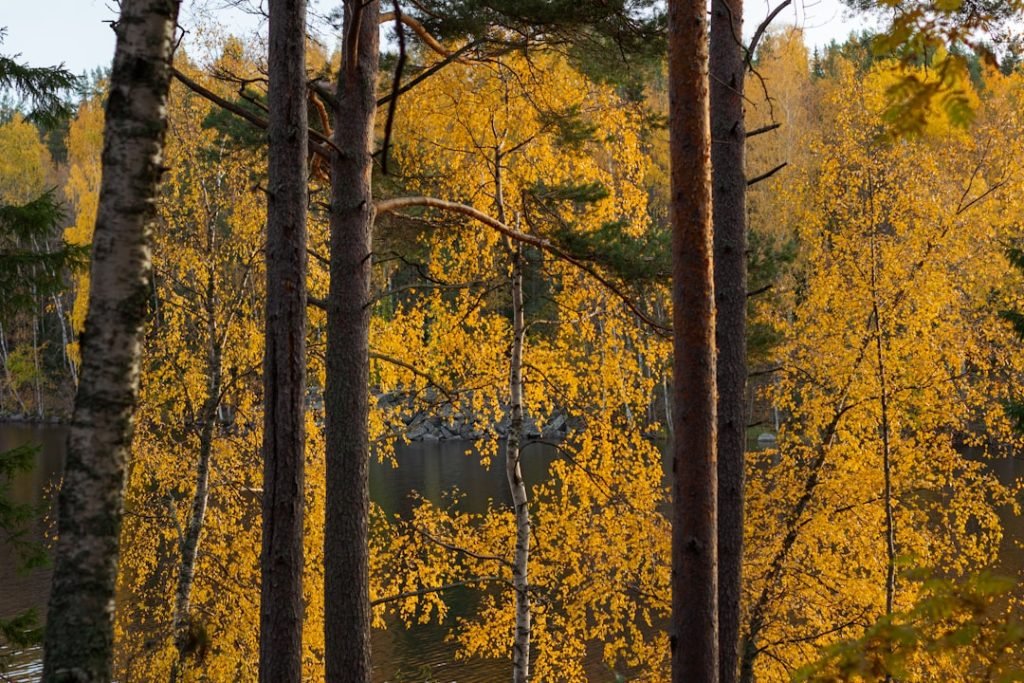
Nature and nudity
For many Scandinavians, nudity transcends mere physical exposure; it represents a spiritual connection with nature. The act of being nude outdoors allows individuals to feel more attuned to their surroundings. Imagine standing on a rocky outcrop overlooking a fjord, the wind brushing against your skin while you breathe in the crisp air.
This visceral experience fosters a sense of unity with the environment that clothing can often inhibit. In this context, nudity becomes a form of liberation—a way to strip away societal expectations and embrace one’s true self. Moreover, this connection with nature often extends beyond personal enjoyment; it can also inspire environmental stewardship.
Many naturists in Scandinavia advocate for sustainable practices and conservation efforts, recognizing that their love for nature is intertwined with its preservation. By experiencing nature in its raw form, they develop a deeper appreciation for its beauty and fragility. This relationship encourages individuals to take action—whether through participating in clean-up efforts or supporting eco-friendly initiatives—ensuring that future generations can enjoy the same natural wonders.
The Role of Saunas and Public Bathing in Scandinavian Nudity
Saunas hold a special place in Scandinavian culture, serving as communal spaces where nudity is not only accepted but expected. The tradition of sauna bathing dates back centuries and is deeply embedded in the social fabric of Nordic life. In these steamy sanctuaries, people gather to relax, unwind, and connect with one another—often without any clothing at all.
The sauna experience is about more than just physical cleansing; it’s a ritual that promotes mental well-being and social bonding. Public bathing facilities are common throughout Scandinavia, where locals often frequent saunas after a long day or during weekends. These spaces are designed to foster community interaction, breaking down barriers between individuals regardless of age or background.
The shared experience of being nude in such an intimate setting encourages openness and vulnerability, allowing for genuine connections to form. Conversations flow more freely when everyone is stripped down to their most basic selves, creating an atmosphere of trust and camaraderie that is hard to replicate elsewhere.
Nudity and Body Positivity in Scandinavian Culture
In recent years, body positivity has gained significant traction in Scandinavian society, aligning seamlessly with the cultural acceptance of nudity. The movement encourages individuals to embrace their bodies in all shapes and sizes, promoting self-love and acceptance over unrealistic beauty standards. This shift has been particularly influential in how nudity is perceived; rather than being associated with perfection or idealized forms, it is celebrated as a natural expression of humanity.
Scandinavian media has played a crucial role in this transformation by showcasing diverse body types in advertisements, films, and social campaigns. By normalizing nudity across various platforms, they challenge conventional notions of beauty and encourage people to appreciate their bodies for what they are—unique vessels that tell individual stories. This cultural shift has empowered many to feel comfortable in their skin, whether they’re at a beach or simply lounging at home.
As body positivity continues to flourish, it reinforces the idea that nudity can be an act of self-acceptance rather than something to be ashamed of.
Nudity and the Scandinavian Perspective on Privacy and Openness in Relationships

It’s not only women
The Scandinavian approach to nudity also reflects broader societal values regarding privacy and openness in relationships. In these cultures, there tends to be a strong emphasis on honesty and transparency, which extends into personal interactions. Being nude around friends or family members is often seen as an expression of trust—an acknowledgment that one feels safe enough to be vulnerable in front of others.
In Denmark, apartments blocks are often now glass walls. If you don’t want to see nudity, then don’t look in.
This openness fosters deeper connections between individuals, allowing relationships to flourish based on mutual respect and understanding. Moreover, this perspective on nudity can influence romantic relationships as well. Couples who are comfortable being nude together often report feeling more connected and intimate with one another.
The act of sharing one’s body without barriers can lead to greater emotional closeness and trust between partners. In Scandinavia, where discussions about sexuality and intimacy are generally more open than in many other cultures, nudity becomes a natural extension of these conversations—an invitation to explore each other’s bodies without judgment or shame. In conclusion, the cultural acceptance of nudity in Scandinavian society is multifaceted, encompassing everything from naturism and outdoor activities to body positivity and interpersonal relationships.
This unique perspective fosters an environment where individuals can embrace their bodies while forging deeper connections with nature and one another. As societal norms continue to evolve globally, Scandinavia stands as a testament to the beauty of embracing nudity as a natural part of life—a celebration of humanity in all its forms.





 English