
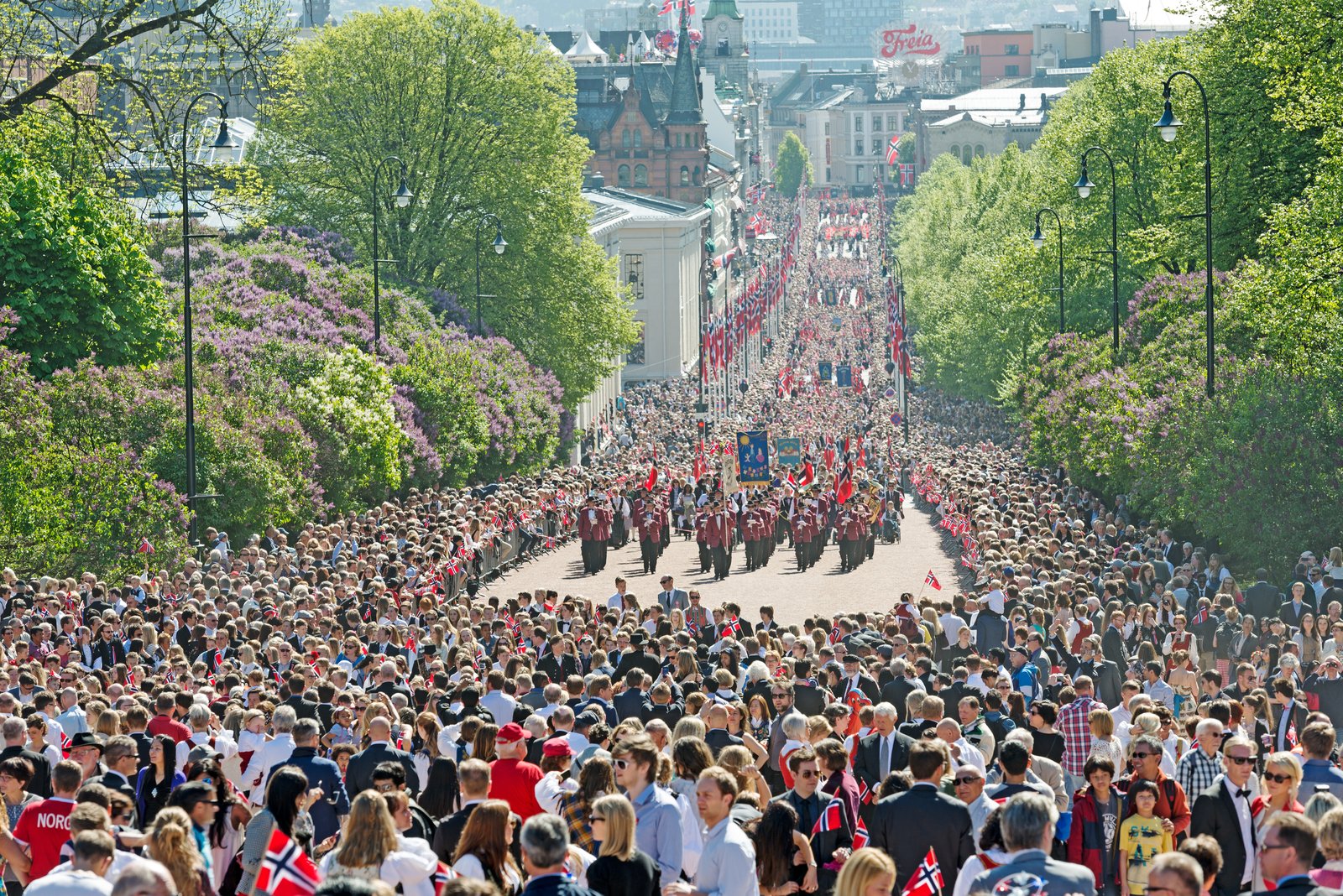
May 17, known as Syttende Mai, is a day of immense importance for Norwegians, marking the anniversary of the signing of the Norwegian Constitution in 1814. This document laid the foundation for Norway’s independence and democratic governance, a significant milestone in a country that had been under foreign rule for centuries. The day is not merely a historical marker; it embodies the spirit of national pride and unity.
For Norwegians, it’s a celebration of their identity, culture, and the hard-fought freedoms that define their nation today. The significance of May 17 extends beyond mere historical remembrance. It serves as a reminder of the values enshrined in the Constitution—liberty, equality, and fraternity.
These principles resonate deeply within the Norwegian psyche, fostering a sense of belonging and community. As people gather to celebrate, they reflect on their shared history and the journey toward becoming a sovereign nation. The day is infused with a palpable sense of joy and gratitude, as Norwegians come together to honor their past while looking forward to a bright future.
Traditional celebrations and customs on May 17
The Grand Parade
The day typically begins with a grand parade featuring marching bands, schoolchildren, and various organizations proudly displaying their flags. Streets across the country come alive with color and music as participants don their finest attire, showcasing the rich tapestry of Norwegian culture. Oslo is the center, with thousands marching in front of the palace as the king and his family wave from the balcony. Marching bands and smaller parades happen around the country, usually followed by hot dogs and all you can eat ice cream.
A Cherished Custom
One of the most cherished customs is the children’s parade, where thousands of schoolchildren march through towns and cities, waving flags and singing patriotic songs. This event is not only a display of national pride but also an opportunity for children to feel connected to their heritage.
Local Events and Traditions
In addition to parades, many communities host local events featuring traditional games, folk dancing, and performances that celebrate Norway’s rich history and folklore.
The role of the Norwegian Constitution in the May 17 celebrations
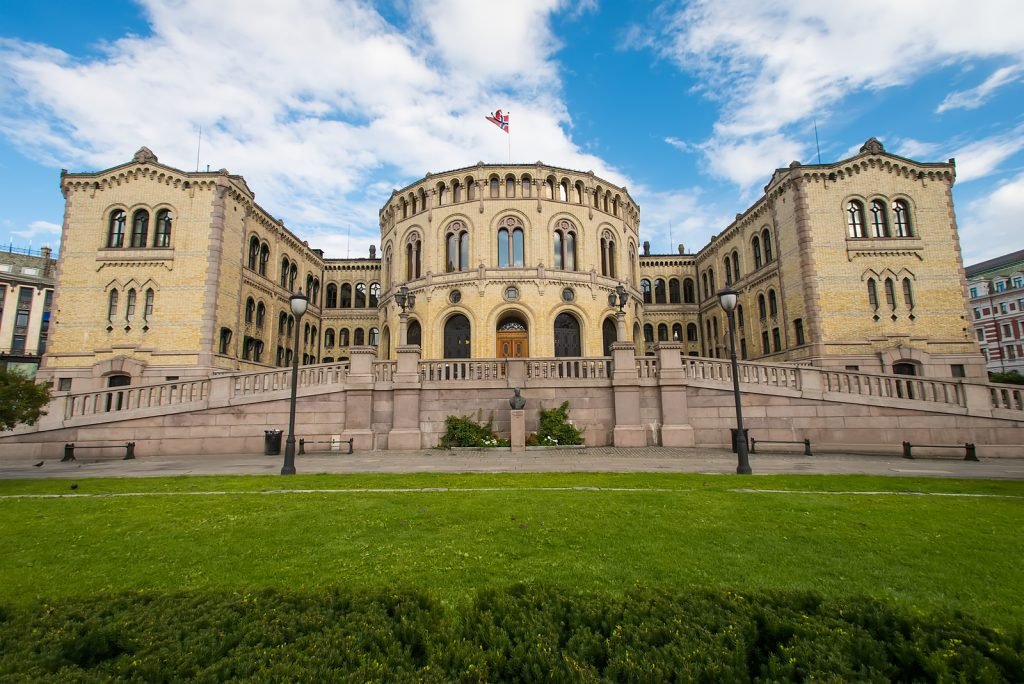
The Storting (the big thing), Norway’s legislature in Oslo
The Norwegian Constitution is at the very heart of May 17 celebrations, serving as both a historical document and a symbol of national identity. Drafted in Eidsvoll in 1814, it was a bold declaration of Norway’s aspirations for self-governance and democratic principles. The Constitution not only established a framework for governance but also articulated fundamental rights that resonate with Norwegians today. It would still be nearly 100 years for independence from Sweden, but the constitution is the heart of the day.
As such, it is revered as a cornerstone of Norwegian democracy. During the celebrations, speeches often reference the Constitution’s significance, reminding citizens of their rights and responsibilities as members of a democratic society. Schools incorporate lessons about this pivotal document into their curricula leading up to May 17, ensuring that younger generations understand its importance.
The Constitution is not merely an artifact; it is a living testament to Norway’s journey toward independence and self-determination. As people gather to celebrate, they reaffirm their commitment to upholding the values enshrined within its pages.
The importance of brunch on May 17
No celebration in Norway would be complete without a festive brunch on May 17. This tradition began relatively recently, led by the younger generation out of Oslo.
This meal is an essential part of the day’s festivities, bringing families and friends together to enjoy traditional Norwegian fare.
Breakfast tables are adorned with an array of delicious treats, from freshly baked breads to cured meats, cheeses, and an assortment of pastries.
It’s a culinary celebration that reflects Norway’s rich gastronomic heritage. Brunch on May 17 is not just about food; it’s an opportunity for connection and camaraderie. Families often gather around the table to share stories, laughter, and memories while enjoying their meal.
The atmosphere is filled with warmth as people toast to their nation’s independence and express gratitude for their freedoms. For many Norwegians, this meal serves as a prelude to the day’s festivities, fueling them for the parades and celebrations that lie ahead. It’s a time-honored tradition that underscores the importance of community and togetherness on this special day.
The significance of bunads on May 17
One cannot discuss May 17 without mentioning bunads—the traditional Norwegian costumes that are worn with pride during the celebrations. Each bunad is unique to its region, reflecting local history, culture, and craftsmanship. These garments, some of which ar very expensive, are often made from high-quality materials and feature intricate embroidery and embellishments that tell stories of heritage and tradition.
Wearing a bunad on May 17 is not merely a fashion choice; it’s a powerful expression of identity and belonging.
The significance of bunads extends beyond aesthetics; they symbolize a deep connection to one’s roots. Many families pass down these costumes through generations, imbuing them with personal history and sentiment.
When Norwegians don their bunads on May 17, they are not only celebrating their national identity but also honoring their ancestors and the cultural legacy they represent. The sight of people clad in these beautiful costumes adds an enchanting visual element to the celebrations, creating a tapestry of color and tradition that captivates both participants and onlookers alike.
How Norwegians celebrate May 17 around the world
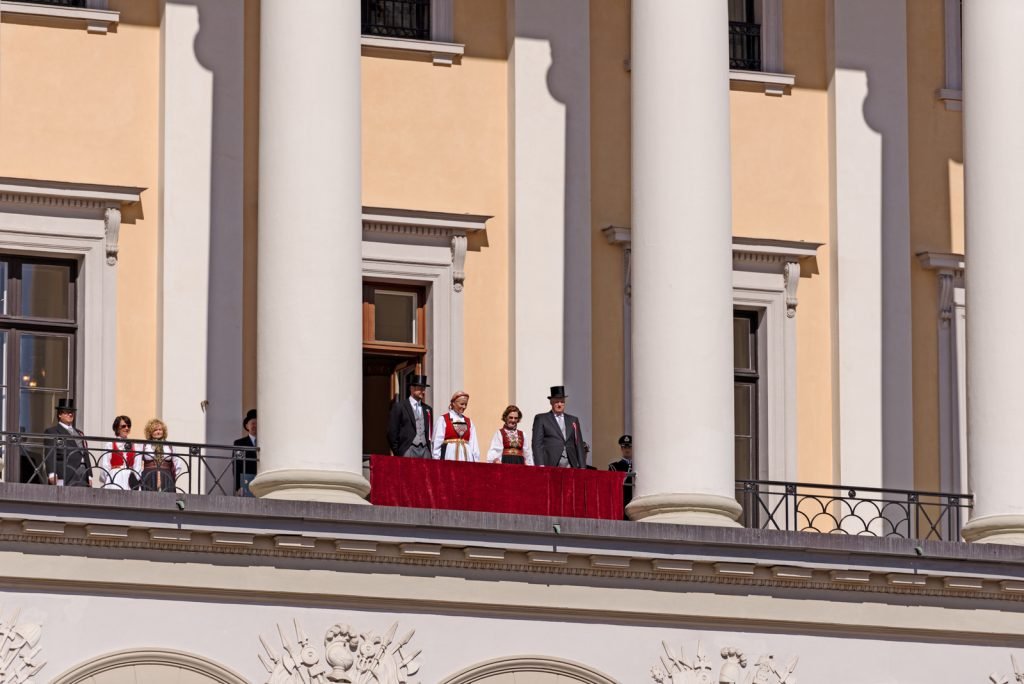
One of the primary duties of royalty: waving
While May 17 is deeply rooted in Norwegian soil, its spirit transcends borders as Norwegians around the globe come together to celebrate their national day. From New York City to Sydney, migrant communities organize parades, picnics, and cultural events that mirror those in Norway. These gatherings serve as a reminder of home for many who may be far away but still hold their heritage close to their hearts.
In cities with significant Norwegian populations, you’ll find vibrant celebrations filled with traditional music, dance, and food. Local organizations often host events where families can enjoy classic dishes like rømmegrøt (a creamy porridge) or kransekake (a ring cake made from almond paste). These festivities foster a sense of community among Norwegians abroad, allowing them to share their culture with friends from other backgrounds while keeping their traditions alive.
Whether it’s through parades or potlucks, these celebrations reinforce the bonds of identity and belonging that are so vital to the Norwegian spirit. In conclusion, May 17 is more than just a date on the calendar for Norwegians; it’s a day steeped in history, culture, and community spirit. From parades filled with laughter to sumptuous brunches shared among loved ones, every aspect of this celebration reflects the pride Norwegians have in their heritage.
As they don their bunads and gather with family and friends—whether in Norway or across the globe—they reaffirm their commitment to the values enshrined in their Constitution while celebrating the rich tapestry of their national identity.







 English