

Black licorice—the candy that seems to inspire either passionate love or vehement disdain. In Nordic countries, however, it’s not only a candy; it’s also a cultural phenomenon. Imagine the candy shops (and multiple products like ice cream, liquor, etc.) of Norway, Iceland, Sweden, Finland, or Denmark, and you’ll likely encounter the unmistakable aroma of this unique confection wafting through the air.
It’s as if the very essence of the North has been distilled into a chewy, dark treat. For many, black licorice is a nostalgic reminder of childhood, a sweet that evokes memories of family gatherings and cozy winter nights. But for others, it’s an acquired taste that requires a certain level of bravery—or perhaps insanity—to fully embrace.
The fascination with black licorice in these regions goes beyond mere taste. It’s woven into the fabric of daily life and social interactions.
Picture this: you’re at a café in Helsinki, and someone offers you a piece of salmiakki—a salty, black licorice variant that’s practically a rite of passage for locals.
Accepting it is akin to accepting a handshake; it’s a gesture of camaraderie and cultural understanding. The love for this candy runs deep, and it’s not uncommon to find licorice-flavored everything—from ice cream to beer—on menus across the region. It’s a testament to how something as simple as candy can become a symbol of national pride and identity.
The Cultural Significance of Licorice in Scandinavia
Licorice holds a special place in the hearts of Scandinavians, serving as more than just a sweet treat; it’s a cultural emblem that reflects the region’s history and values. In many ways, it embodies the Nordic spirit—bold, unique, and unapologetically different. The flavor itself is often described as an acquired taste, much like the Scandinavian approach to life: straightforward and unembellished.
This affinity for black licorice can be traced back centuries, with its roots deeply embedded in local traditions and folklore. In Scandinavian culture, sharing licorice is akin to sharing stories or laughter; it fosters connections among friends and family. During festive occasions, you’ll find bowls brimming with various licorice treats adorning tables, inviting guests to indulge in this beloved confection.
It’s not merely about satisfying a sweet tooth; it’s about creating memories and bonding over something that is distinctly Nordic. The act of enjoying licorice together becomes a ritual, reinforcing social ties and cultural heritage.
The Health Benefits and Controversies Surrounding Licorice Consumption
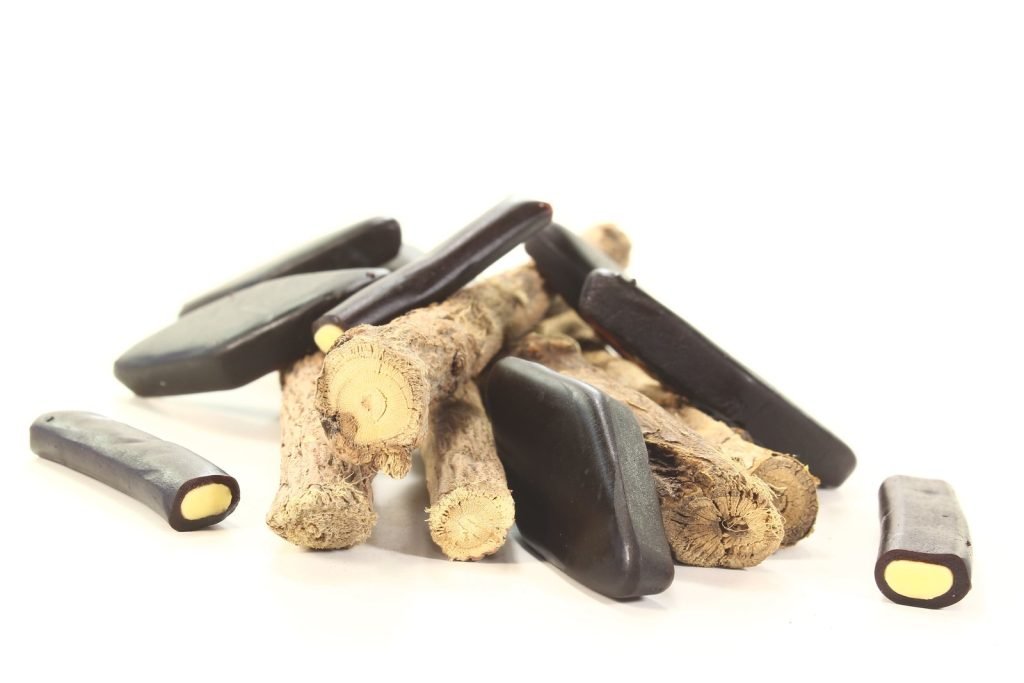
Then there are the health benefits and controversies surrounding this polarizing candy that comes from the licorice root. On one hand, licorice root has been used for centuries in traditional medicine, praised for its potential health benefits. It’s believed to possess anti-inflammatory properties and may aid digestion.
Some studies even suggest that compounds found in licorice can help soothe sore throats and alleviate respiratory issues. For those who enjoy their black licorice with a side of wellness, this is music to their ears—or perhaps their taste buds. However, before you start hoarding bags of licorice like it’s the last chocolate on Earth, let’s address the elephant in the room: moderation is key.
Excessive consumption of licorice in substantial doses can lead to some serious health concerns, including elevated blood pressure and potassium imbalances. The FDA has even issued warnings about overindulging in this sweet treat. It’s a classic case of “too much of a good thing.” While enjoying a piece or two may be harmless for most people, those with certain health conditions should tread carefully.
It’s always wise to consult with a healthcare professional if you’re unsure about how much licorice is too much, which usually does not stop most in the Nordic countries.
The Unique Flavors and Varieties of Licorice in Nordic Countries
When it comes to flavors and varieties, Nordic countries take their licorice game to an entirely different level. Forget about the standard black licorice you might find in your local candy aisle; here, you’ll encounter an array of tantalizing options that will make your taste buds dance with joy—or confusion. From sweet to salty, from mild to intensely flavored, the spectrum of licorice varieties is as diverse as the landscapes of Scandinavia itself.
One standout variety is salmiakki, which is infused with ammonium chloride to give it that distinctive salty kick. This flavor is so beloved in Finland that it has become synonymous with national pride. You’ll find salmiakki-flavored everything—from candies to ice creams—making it a staple in Finnish culture.
Then there’s the Danish version known as “sweet licorice,” which tends to be milder and sweeter than its Finnish counterpart. Each country has its own take on this beloved treat, creating a delightful tapestry of flavors that reflects regional preferences and traditions.
The History and Traditions of Licorice in Nordic Culture
The history of licorice in Nordic culture is as rich as the flavor itself. Its origins can be traced back to ancient times when the root was used not only for culinary purposes but also for medicinal ones. Vikings were known to have utilized licorice root for its healing properties during their long voyages across treacherous seas.
Fast forward to today, and you’ll find that this ancient tradition has evolved into a modern-day obsession. Licorice has also played a role in various traditions and celebrations throughout the years. In Sweden, for instance, “Lördagsgodis” translates to “Saturday candy,” where families indulge in sweets—including licorice—every Saturday as a special treat.
This tradition fosters a sense of togetherness and anticipation for the weekend ahead. In Denmark, you might encounter “licorice parties,” where friends gather to sample different varieties of licorice alcohol, sweet licorice, salt licorice, chocolate-covered licorice, licorice syrup for your coffee, powdered licorice to put on chicken or fish -the list is extensive- while sharing stories and laughter—a delightful way to celebrate friendship and community.
The Global Appeal and Export of Nordic Licorice

Red licorice in America, please.
As much as black licorice is adored in Nordic countries, its appeal has transcended borders and made its way into international markets. The global fascination with this unique confection has led to an increase in exports from Scandinavia, allowing people around the world to experience the magic of Nordic licorice firsthand. From specialty shops in New York City, where Americans prefer a red variety and call the candy stick licorice, to online retailers catering to curious taste buds everywhere, black licorice is carving out its niche on the global stage.
The rise of social media has also played a significant role in promoting Nordic licorice beyond its traditional borders. Food bloggers and influencers are showcasing their love for this unique treat, often accompanied by colorful photos that make your mouth water—whether you’re a fan or not. This newfound visibility has sparked interest among those who may have never considered trying black licorice before.
As more people take the plunge into this bold flavor adventure, it seems that black licorice is here to stay—whether you love it or loathe it. In conclusion, black licorice is more than just a candy; it’s a cultural icon deeply rooted in the traditions and values of Nordic countries.
Its fascinating flavors, health benefits (and controversies), and rich history make it an intriguing subject that might be worthy of exploration.







 English