
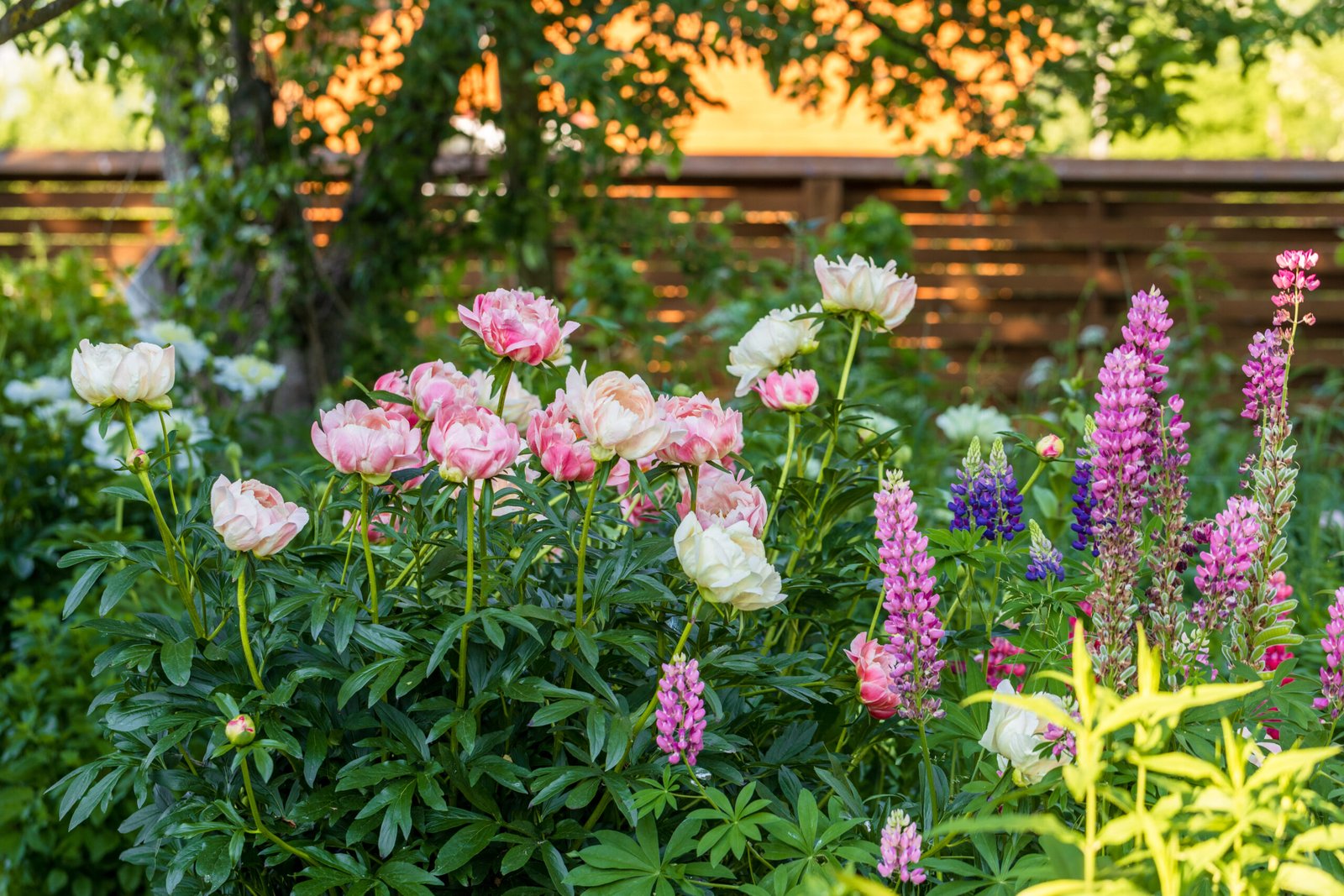
Norway, Sweden, Denmark, Finland, and Iceland — five countries, five answers to the same question: what do you grow when winter owns most of the year?
There is a particular kind of desperation in a Scandinavian spring. After months of darkness, frozen ground, and the grey monochrome of a northern winter, the moment the snow begins pulling back from the soil is not merely pleasant — it is almost violent in its intensity. Bulbs explode upward. Birds return overnight. Garden centres, which have been quietly filling their polytunnels since February, suddenly burst open like pressure valves, and people who looked perfectly reasonable all winter are seen on their knees in the mud at seven in the morning, planting tulips in the rain.
This is not gardening as leisure. It is gardening as a deep, biologically ingrained response to light.
Understanding what grows — and what doesn’t — across the Nordic countries begins with that light: the astonishing, compensatory gift of the summer sun at these latitudes. While the season is compressed, sometimes brutally so, the hours of daylight during it are extraordinary. Oslo, at around 60°N, gets up to 18 hours of sunlight per day in midsummer. Stockholm and Helsinki sit at similar latitudes. Tromsø, in northern Norway, experiences the midnight sun from late May to late July, never seeing darkness at all. Even in Iceland, summer days can stretch past 20 hours of usable light. This abundance of photons does extraordinary things to plants: strawberries taste sweeter, grass grows with unusual nutritional density, and cool-weather vegetables like kale, carrots, and potatoes develop remarkable flavour. The brevity of the season is real — but the intensity within it is a compensation few gardeners in warmer climates can match.
The Growing Season: Short, Brilliant, Unforgiving
The five Nordic countries span a significant range of latitudes and climates, and their growing seasons reflect that variation sharply.
Denmark sits at the southern end of the Nordic range, roughly between 54°N and 58°N, with a temperate maritime climate shaped by the North Sea and the Baltic. Its growing season runs from April through October — six to seven months — making it considerably more generous than its Nordic neighbours. Hardiness zones across Denmark range from 7a in Jutland’s north to 8b on the southern islands, meaning winters are cold but rarely savage by Scandinavian standards. Late frosts can intrude into May, and North Sea winds demand respect, but Danish gardeners are working with conditions not entirely unlike those of coastal Scotland or the Netherlands.
Sweden spans an enormous distance north to south — from zone 7 on the mild west coast at Gothenburg to zone 3 north of the Arctic Circle — and the diversity of Swedish gardening reflects this. The Stockholm area sits in zone 6–7, with a growing season of around five months. The Gothenburg coast, warmed by the Gulf Stream’s influence, enjoys zone 7 winters that permit some plants most Scandinavians would consider impossibly tender. Northern Sweden, by contrast, compresses the frost-free window to something approaching ten or twelve weeks.
Norway is similarly stratified by its topography. The Norwegian Horticultural Society uses its own eight-zone system (H1 through H8) to capture local variation more precisely than USDA categories can manage. The coastal west — including Bergen and the fjord country — is kept surprisingly mild by the same North Atlantic Current that softens Iceland’s climate. Oslo, in the east, experiences a more continental pattern with colder winters and warmer summers. Last frosts typically fall in late May in most of inland Norway, with the first autumn frosts arriving in September, leaving a core growing window of roughly three to four months.
Finland runs from zone 6 in Helsinki and the south to zone 3 north of the Arctic Circle. Frosts can occur as late as June in the interior and return as early as August in the far north. The national motto, as far as gardening goes, might as well be “start seeds indoors and pray.” Tomatoes, cucumbers, courgettes, and squash are routinely started under glass in April or even March, hardened off carefully, and transplanted only when the soil has genuinely warmed — often not until late May or early June.
Iceland sits in a category largely its own. Classified as subpolar oceanic (Köppen Cfc) near the coast, with true tundra inland, it is saved from complete horticultural hopelessness by the North Atlantic Current, which keeps temperatures milder than the latitude alone would predict. Even so, average summer temperatures in Reykjavík hover around 11–12°C, and the growing season is among the shortest of any inhabited place on earth where people attempt serious horticulture. The greater problem, as gardening writers have noted, is not the cold itself but the absence of summer heat: many plants that are technically winter-hardy enough to survive an Icelandic winter simply cannot accumulate the warmth units they need to flower, fruit, or set seed in an Icelandic summer. Wind compounds everything. Before the Vikings arrived and stripped the island of 97 per cent of its birch forests in under a century, Iceland was genuinely lush. The soil erosion and exposure they left behind is still a defining challenge for every Icelandic gardener.
Norway: The Drama of Spring and the Love of the Hardy
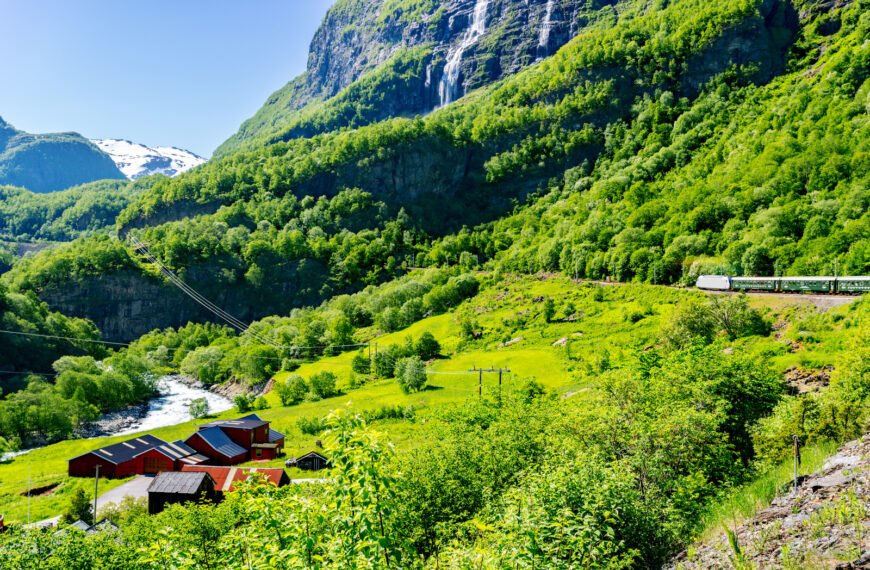
Norwegian gardens have a particular quality — something between wildness and intention. The dramatic landscape itself seems to demand it. Formal geometry feels absurd against a backdrop of fjords and granite; the better impulse is to work with the terrain, letting plants spill naturalistically over rocks, anchor themselves to slopes, and colonise the spaces between the bones of the land.
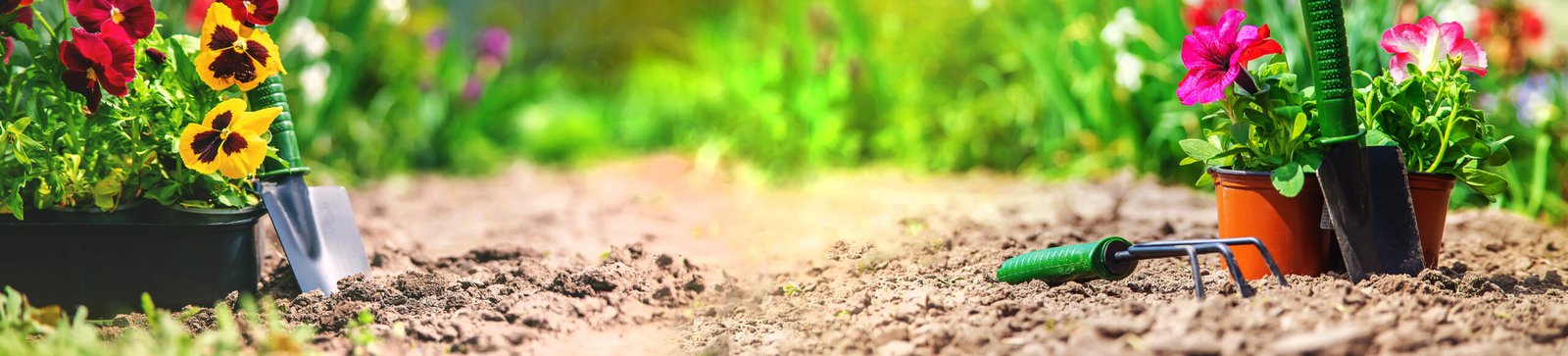
Spring in Norway begins with pansies – stemor (step mother) in Norwegian, then the tulip. In April, pansies appear in nearly every garden and on almost every shop counter, and they’re welcomed with a fervour that makes sense only when you’ve experienced the blankness of the months before. Instant color. Tulips are brilliantly suited to the Norwegian climate: they tolerate cold, they need a proper winter chill to perform, and once established they’re mostly happy to return year after year without much interference.
The pansy, sold everywhere from April onwards, is reliably hardy enough to be planted before the last frost, and cheerful enough to signal that the season has truly shifted. Lilacs (Syringa) are beloved in Norwegian gardens — their fragrant explosion in May and early June is treated almost as a civic event, and their ability to withstand harsh conditions makes them a natural fit. The lilac’s brief but extravagant bloom carries a particular emotional weight after a long winter: it smells like the season has finally committed.
For perennials, Norwegians lean into the plants that disappear underground in winter and come back reliably — hostas, astilbes, lupins (in parts of Norway they have taken over and are consider weeds), and the day lily (Hemerocallis). The grassy yellow day lily in particular is a fixture of Norwegian gardens: low-maintenance, frost-hardy, and generous with its return each spring. Norway Spruce (Picea abies) and silver birch (Betula pendula) provide the structural backbone of many gardens, giving year-round form and that sense of the boreal forest at the garden’s edge. Many Norwegian families maintain the old tradition of the tuntre — a guardian tree planted in the centre of the property as a place of reflection, rooted in Norse belief systems.
Berries are taken seriously. Strawberries, raspberries, and red and black currants are standard kitchen garden fare, grown not as a quirky hobby but as a genuine supplement to the table. The foraging impulse — gathering cloudberries, lingonberries, and blueberries from the wild — is so strong in Norwegian culture that cultivated berry patches in gardens are partly an expression of the same instinct, domesticated.
Sweden: Design Meets Productivity
Swedish garden culture has one of the most articulate aesthetic philosophies in the world — the concept of lagom (roughly: enough, just right, not too much) shapes the garden as surely as it shapes the interior. Swedish garden designer Annika Zetterman describes Scandinavians as people who “live in a place where the full circle of life is exposed,” and Swedish gardens are designed to reflect that: seasonal change is not managed or minimised but celebrated.
The structural tradition of the vårdträd — the garden’s central tree, chosen with care and planted as an anchor for the entire space — runs through Swedish gardening history as a quiet insistence on meaning over decoration. The birch is the default choice: white-barked, elegant, and practically the national tree, its catkins among the first signs of spring, its yellow autumn leaves among the last acts before winter.
Sweden’s range of climates allows for considerably more plant diversity than its northerly position implies. The west coast around Gothenburg, in zone 7, has botanical gardens that host plants most Scandinavians could never grow outdoors — even some bamboo species and near-hardy exotics. For most Swedish gardeners in zones 5–6, the palette centres on cold-tolerant perennials: hostas for shade, ornamental grasses like Calamagrostis acutiflora for movement, roses (particularly tough varieties bred for Nordic conditions, including the famous ‘Queen of Sweden’ from David Austin), and bulbs in abundance.
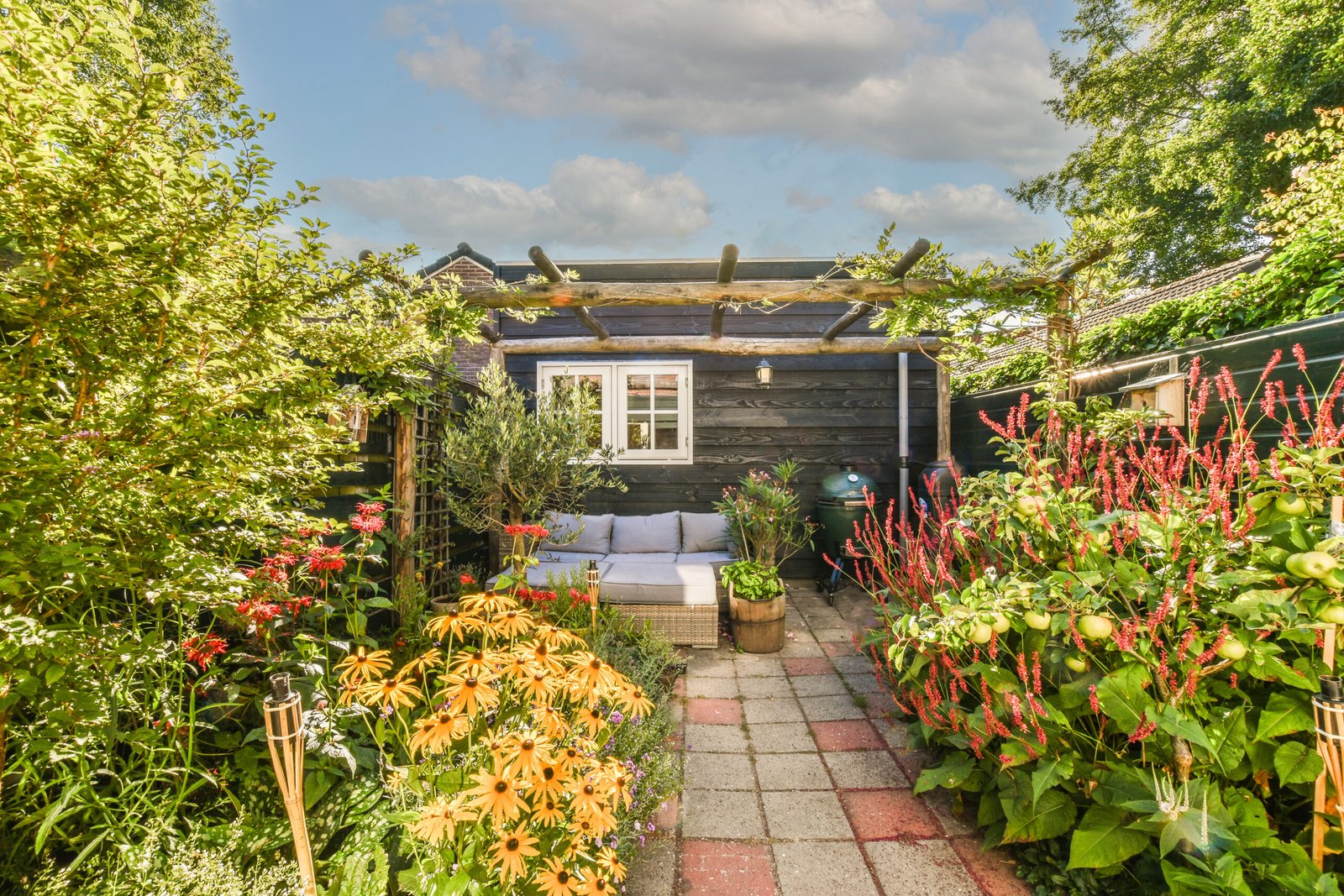
The allotment garden (koloniträdgård) tradition, which began in Denmark and spread north through Sweden in the late nineteenth and early twentieth centuries, remains deeply embedded in Swedish urban life. These are not the modest British-style vegetable plots most people imagine — Swedish allotments are substantial, sociable spaces with small cottages, communal saunas in some cases, and serious kitchen gardens growing potatoes, carrots, onions, tomatoes (started indoors well before transplanting), and soft fruit. The waiting lists for allotments in Stockholm and Gothenburg run to years.
Denmark: The Comfortable Middle Ground
Denmark is the most horticultural of the Nordic countries in a purely climatic sense — its milder, maritime climate grants a longer growing season and a wider plant palette than anywhere to the north. This relative generosity shows in Danish gardens, which tend toward a lushness that their Norwegian and Finnish counterparts can only approximate in good microclimates.
The allotment (kolonihave) tradition was actually born in Denmark. The first organised allotment association was founded in Aalborg in 1884, and by 1904 there were already 20,000 allotment gardens in Denmark, 6,000 of them in Copenhagen alone. The kolonihave — typically a small cottage surrounded by a productive garden — remains one of the most cherished institutions in Danish life, with waiting lists in the major cities that stretch for years. The gardens grow vegetables, fruit, herbs, and flowers in a productive aesthetic that is neither purely ornamental nor purely functional but something comfortably between the two.
Danish-British garden designer Emilie Bausager describes the Scandinavian approach as one of “simplicity, texture, and plants that thrive in the northern climate — soft, muted tones, relaxed yet structured planting, and species that can handle a bit of neglect while still looking beautiful year-round.” In Denmark, that instinct encounters a climate generous enough to permit roses along fences, apple trees in lawns, hedges of beech (which holds its copper leaves through winter, giving Danish gardens an unusual warmth of colour in the bare months), and late-season dahlias that would freeze before blooming in most of Norway or Finland.
The challenges are not cold but wind. Denmark’s flat, open landscape and exposure to the North Sea mean that coastal gardens in particular must be built around windbreaks — hedges of rugosa rose, sea buckthorn (Hippophae rhamnoides), or hawthorn. Within that shelter, an enormous range of plants thrives.
Finland: The Allotment Nation and the Forager’s Garden
Finland’s relationship with gardening is complicated by culture as much as climate. The traditional Finnish way with the land leans toward the forest — mushroom picking, berry gathering, a relationship with the wild that is less about cultivation and more about careful harvest. The mökki, or summer cottage, which roughly half of all Finns have access to, is a place for swimming, sauna, and rest, not a place for growing things. You don’t go to the cottage to work.
This means that serious gardening in Finland tends to concentrate in two places: urban allotments and the kitchen gardens of those who have genuinely caught the horticulture bug. The allotment (siirtolapuutarha) culture in Finland was shaped by the Danish model and dates back to 1916 in Tampere. Today there are around 6,000 allotment plots across the country, with Helsinki’s nine cottage allotment sites among the most characterful — small-village-like communities of cottages, fruit trees, and vegetable beds, with beehives visible in several, where waiting lists stretch for years and plots are passed between generations.
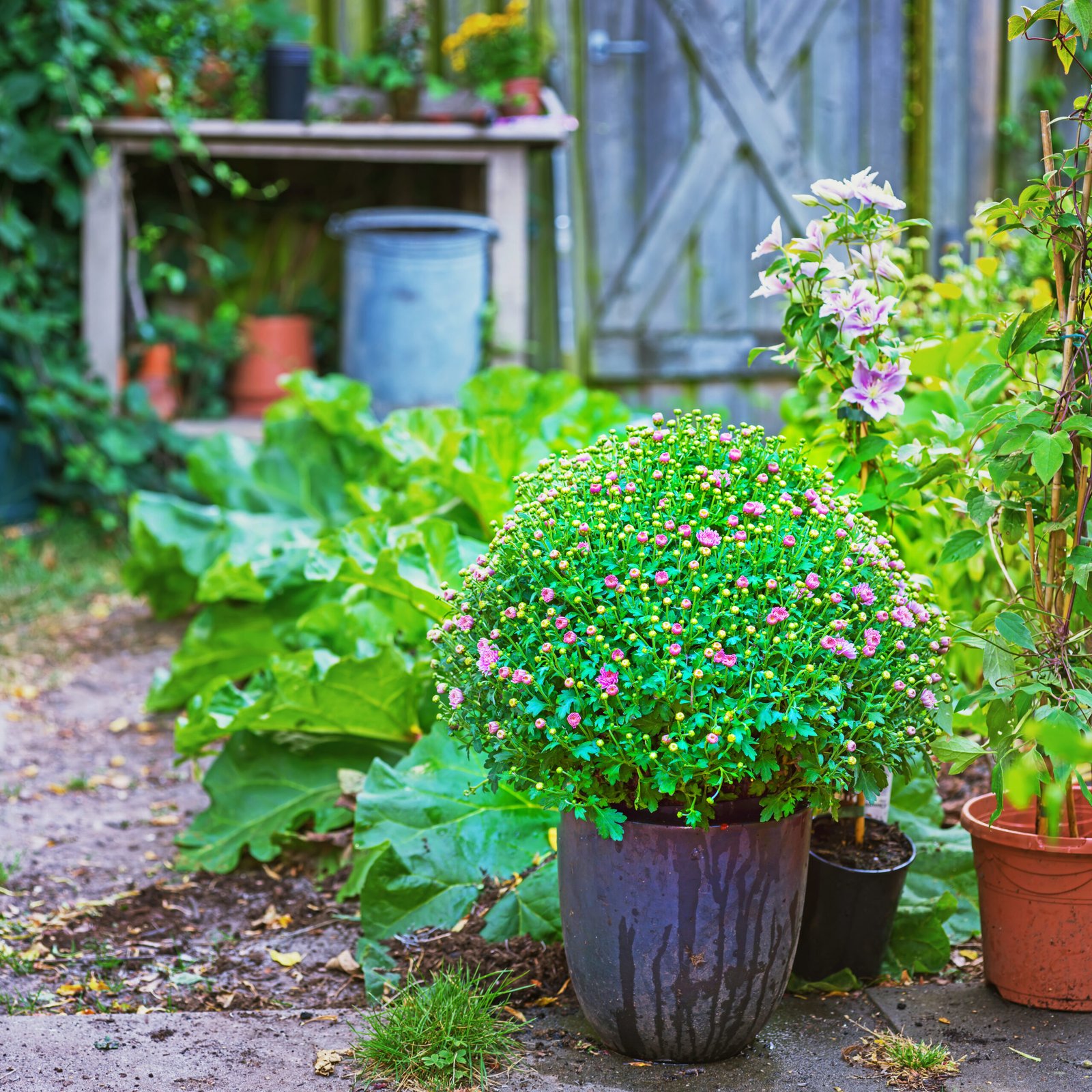
In Finnish allotments and gardens, the emphasis falls heavily on edibles: potatoes, carrots, strawberries, tomatoes (almost always started indoors in March or April), herbs, and soft fruit. Apples bred for Nordic conditions — varieties developed specifically to ripen within a short season — are a point of pride. The growing window from the last frost (which can arrive as late as early June in the interior) to the first autumn frost (sometimes as early as August in the north) demands ruthless prioritisation. You grow what will make it; everything else is a gamble.
Finland’s far north, around Rovaniemi near the Arctic Circle, has allotment gardens that testify to a stubbornness about growing things in extreme conditions that is characteristic of Finnish culture. The midnight sun’s compensatory intensity allows potatoes, carrots, and cold-hardy greens to produce at latitudes where most of Europe would consider outdoor growing simply impossible.
Iceland: Geology as Gardener
Iceland is the outlier in this picture, and no account of Nordic gardens is honest without confronting just how different it is. With only 540 known plant species native to the island — compared to over 9,500 in Germany — and 78 per cent of its land classified as non-arable, Iceland begins from a position of scarcity that its neighbours do not share.
The short, cool summers are the primary constraint: many plants that are technically hardy enough for an Icelandic winter simply cannot generate the heat accumulation they need to grow, flower, or fruit in an Icelandic summer. Average summer temperatures around Reykjavík hover around 11–12°C. The wind is relentless, and without a windbreak, most attempts at outdoor gardening are exercises in futility. The rule for establishing any Icelandic garden is to plant the windbreak first — fast-growing birch, spruce, aspen, or cottonwood to shield the beds — and only then begin to think about what goes inside.
Within sheltered microclimates, Icelandic gardeners grow more than outsiders expect. Potatoes have been central to Icelandic food culture since their introduction and thrive outdoors. Rhubarb, introduced in the late nineteenth century, has adapted so successfully that it is now almost a national ingredient — Icelandic pancakes are served with rhubarb jam as naturally as with cream. Kale, cauliflower, carrots, turnips, and broad beans grow outdoors in the south. Red currants are grown in many gardens. The wild strawberry (Jarðarber) is native and treasured, though rare in the wild.
What Iceland has that its Nordic neighbours lack is geothermal energy, and this has transformed its food production. Iceland began heating greenhouses with geothermal water in 1924 — at first for vegetables and potted plants, and over the following century evolving into one of the world’s most sophisticated greenhouse horticultural systems. Today, more than 45 acres of greenhouse space produce cucumbers, tomatoes (including the famous Fridheimar farm near Reykholt, which produces 370 tonnes a year entirely under glass), peppers, strawberries, mushrooms, lettuce, and herbs. The world’s northernmost banana plantation grows at the country’s agricultural university in Hveragerði — the so-called greenhouse capital of Iceland — for students and guests to enjoy. Under glass and with geothermal heat, the constraints of Iceland’s outdoor season become largely irrelevant. The island also benefits from pest-free growing: there are no mosquitoes, and the isolation of the island means the suite of insects and fungal pathogens that burden mainland European gardens simply doesn’t exist here.
Iceland’s national flower, the mountain avens (Dryas octopetala, or holtasóley in Icelandic), is a Hardy RHS Award of Garden Merit winner found growing naturally on gravelly slopes and moorland across the country — a small, modest, white-flowered plant that says everything about what survives at these latitudes without assistance.
What Will Not Grow (or Barely Will)
For all the ingenuity and determination of Nordic gardeners, there are limits that no amount of love or geothermal energy can entirely overcome in the open garden.
Mediterranean plants — lavender, rosemary, olive trees, bougainvillea, fig trees in the ground — are simply out of the question except in the mildest Danish or west-coast Swedish microclimates, and even there they require shelter, excellent drainage, and some protection in cold winters. A rosemary that would survive on a London windowsill will die in Oslo or Helsinki without significant protection. Lavender is borderline in southern Scandinavia with good drainage but is essentially a container plant or greenhouse subject further north.
Warmth-hungry fruiting crops are the most painful disappointment. Melons, aubergines, sweet corn, and outdoor peaches require more accumulated heat than most of Scandinavia provides, even in a good year. In Iceland, none of these will grow outdoors at all. Even in the most favoured parts of southern Sweden or Denmark, melons and aubergines are gambles that most gardeners now accept as greenhouse subjects rather than open-ground ones.
Formal hedging plants with Mediterranean or Atlantic forest origins — bay laurel, osmanthus, pittosporum, most Cistus species — will not survive a genuine Nordic winter. Even box (Buxus sempervirens), a traditional hedging plant that grows throughout Denmark and southern Sweden in protected spots, becomes unreliable further north and is now additionally threatened by box blight.
Most magnolias are marginal in Scandinavia. Species like Magnolia kobus can manage in sheltered sites in southern Sweden and Denmark, but the reliable, early-flowering star magnolias and saucer magnolias that have become commonplace in warmer European gardens are high-risk, their buds easily killed by late frosts that arrive after the trees have committed to flowering.
Trees with long maturation requirements — walnut, sweet chestnut, and most wine grape varieties — lack sufficient growing-season heat across most of Scandinavia to ripen properly, though climate change is gradually pushing the boundaries. Experimental walnut plantings exist in southern Sweden. The vineyards are still in the future.
And then there is the fundamental constraint that applies equally across all five countries, regardless of hardiness zone: time. The season does not negotiate. If you haven’t put in your courgettes by late May, you may have courgettes in September but you will not have many. If you haven’t started your tomatoes under glass by March, you are already behind. The Nordic gardener lives with a ticking clock from the moment the snow retreats, which is why the arrival of spring is not merely pleasant but something very close to urgent.
Sources
Nordic gardens and plant culture: 10 Plants Beloved in Nordic Gardens, Living a Nordic Life (2022); Best Plants for a Scandi-Style Backyard, Homes and Gardens (2025), drawing on comments by Danish-British garden designer Emilie Bausager; Scandi Garden Ideas, First Tunnels blog (2025); 9 Scandi Garden Design Ideas, Ideal Home (2023), drawing on Swedish garden designer and author Annika Zetterman; Plants Used in a Scandinavian Garden, Garden Guides, citing Karl-Dietrich Buhler, The Scandinavian Garden (2000); Create a Nordic Style Garden, The Big Plant Nursery (2025).
Growing seasons and hardiness zones: Denmark Hardiness Zones, Planta Greenhouses (2024); Hardiness Zone, Wikipedia and Encyclopedia MDPI (2022/2025); Hardiness Zones in Europe, Gardenia.net (updated December 2025); Gardening in Norway, The Frozen Gardener (2018); Climate Zones for Growing Fruit Trees in Europe, Thomas Fruit Trees.
Iceland: Gardening in the Land of the Midnight Sun, Dave’s Garden; Iceland’s Greenhouses: Creating a Sustainable Food System, Natural Habitat Adventures (2025); Plants in Iceland — Flora Under the Arctic Circle, Guide to Iceland (2026); Icelandic Flowers and Herbs, Guide to Iceland (2026); Agriculture in Iceland, Wikipedia (2026); The Greenhouse Where Tomatoes Grow in Iceland, Atlas Obscura (2025); Gardening Practices and Food Production in Iceland, LBHI/The Plantscience Blog.
Finland: Finnish Summer in the City: Garden Getaways, thisisFINLAND (2020); Urban Agriculture in Helsinki, Finland, Focus on Geography; Allotment (Gardening), Wikipedia (2026); Vegetable Gardens in Finland, RBC Ukraine (2025).

 English