
There’s a version of Nordic travel writing that exists mostly to recycle the same five places — Stockholm, Bergen, Copenhagen, the fjords, maybe Lapland if there’s a sled dog photo to include. That’s not wrong, exactly. Those places are genuinely good. But it misses the thing Scandinavians themselves do every July, which is leave the cities entirely and disappear into a coastal town, an archipelago, or a lake district that most foreign visitors have never heard of.
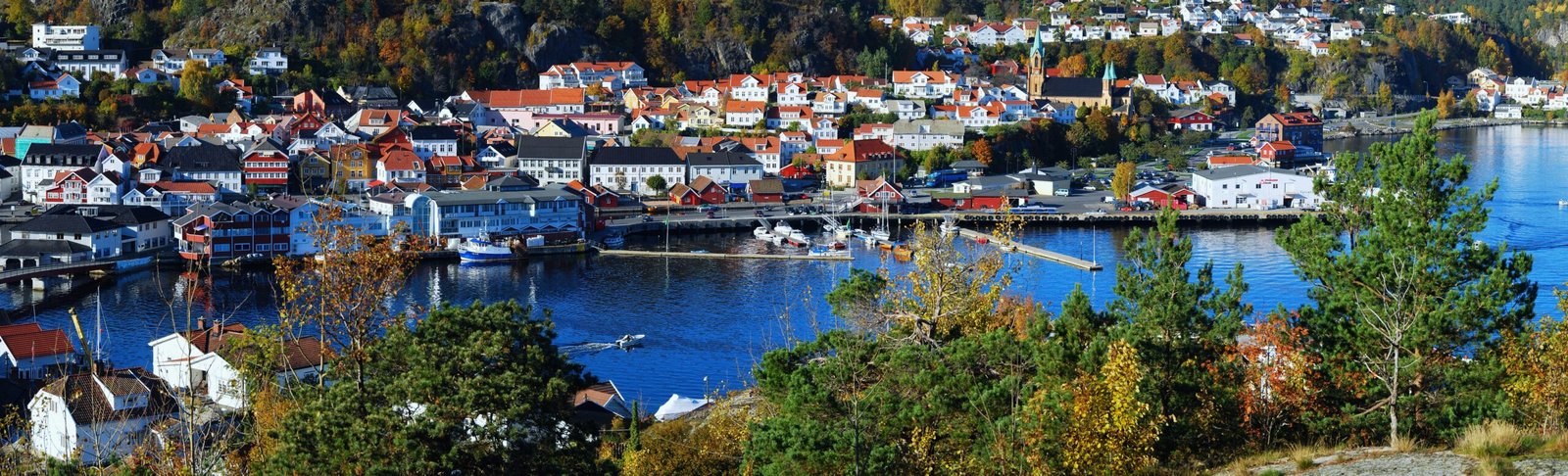
Let’s get to that second category. Kragerø, the small coastal town in southern Norway that gave Edvard Munch some of his best material, is the prototype for what this guide is after: somewhere small, somewhere with real local texture, somewhere that’s genuinely full of Norwegians or Swedes or Finns or Danes on holiday rather than tour buses. Below are the best of these places across all four countries, organized so you can actually plan around them — what’s there, what it costs, how the social scene feels, and how to get there without a rental car if you’d rather not drive.
A caveat up front: prices fluctuate, ferry schedules change seasonally, and “the scene” is always a little bit a matter of who you ask. We’ve tried to be specific where the sources are specific and honest about where they’re not.
Norway
Kragerø: The Pearl of the Coastal Towns
Kragerø sits at the southern end of Telemark, about 2.5 to 3 hours by car or bus from Oslo, surrounded by something close to 500 islands and skerries. Edvard Munch lived and painted here and reportedly called it “the pearl among the coastal towns” — whether he actually said that exact phrase has been repeated so often it’s basically folklore now, but the town leans into it hard, with a self-guided walking trail through the streets that inspired some of his work. Theodor Kittelsen, the illustrator behind Norway’s most recognizable fairy-tale art, was born here too; his childhood home is now a small museum.
The town itself is tiny and walkable — narrow streets, white wooden houses built close together because space was always tight on the peninsula. The main square, Jens Lauersøns Plass, fills with boats and ice cream-eating tourists all summer, and the shops keep relatively short hours (10am–5pm) which tells you something about the pace everyone’s expected to keep. The real draw is the archipelago: Jomfruland, reachable by ferry, has pebble beaches, two lighthouses standing side by side, and status as a national park since 2016. Skåtøy, the largest island, has hiking trails, art galleries, and one of Norway’s biggest wooden churches. Gunnarsholmen, a short walk from the town center, combines an old coastal fortress with a sea-water pool and a sandy beach that’s wheelchair accessible.
The social scene in Kragerø is, by Norwegian standards, established old money mixed with regular vacationers. Cabin ownership here is expensive and has been for decades — people who own places in or around Kragerø tend to keep them in the family. That gives the town a slightly insular, “everyone here already knows each other” feel in peak season, though as a visitor you won’t notice this much beyond a sense that the bakeries and boutiques are clearly catering to repeat customers. Norwegians often anchor their own boats in natural harbors (uthavner) around the archipelago and motor out for a BBQ and sunset with friends — it’s one of the defining images of Norwegian summer, and Kragerø’s waters are full of it.
Lofoten: A Different Kind of Summer Crowd
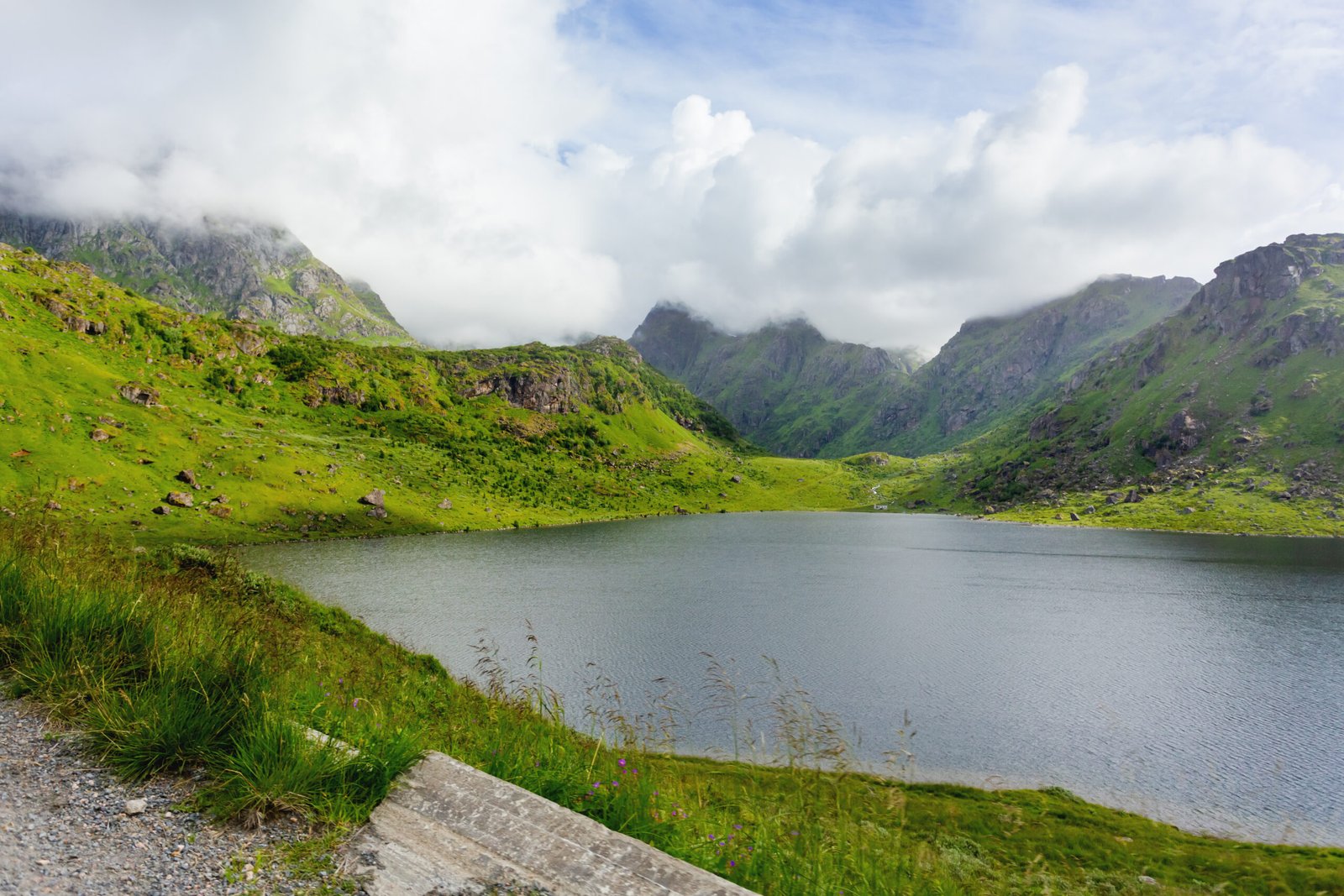
If Kragerø is old-money quiet, Lofoten in summer is the opposite — younger, more outdoor-sport-driven, with a tourism scene built around hiking, kayaking, Arctic surfing, and climbing rather than sitting on a boat with a glass of wine. The islands sit well above the Arctic Circle, so summer means near-constant daylight rather than the long-but-finite days further south.
The villages worth knowing: Svolvær is the largest and the natural arrival point if you’re traveling by public transport. Reine is the postcard version of Lofoten — dramatic mountains dropping straight into the fjord, regularly cited as one of the most scenic villages in the country. Henningsvær is a small, still-working fishing village with an active art gallery scene (Kaviar Factory is the one people travel for). Haukland Beach, near Leknes, has repeatedly been voted Norway’s most beautiful beach — white sand, turquoise water, mountain backdrop, and unlike many Lofoten beaches it’s actually accessible by public bus.
This is where things get logistically interesting. There’s no train to Lofoten itself — the rail line ends in Bodø or Narvik, and from either of those you continue by bus or ferry. From Bodø, a passenger ferry to Reine takes a little over three hours; from Narvik, bus route 300 runs the length of the archipelago but the full journey from somewhere like Tromsø can run 8 to 11 hours. A seven-day unlimited bus and express-boat pass across Lofoten and Nordland County costs around NOK 1,290, which is genuinely useful if you’re going car-free, though most visitors still rent a car once they arrive because the bus network, while reliable, only connects the main towns and runs a handful of times a day.
A Note on Other Southern Norway Coastal Towns
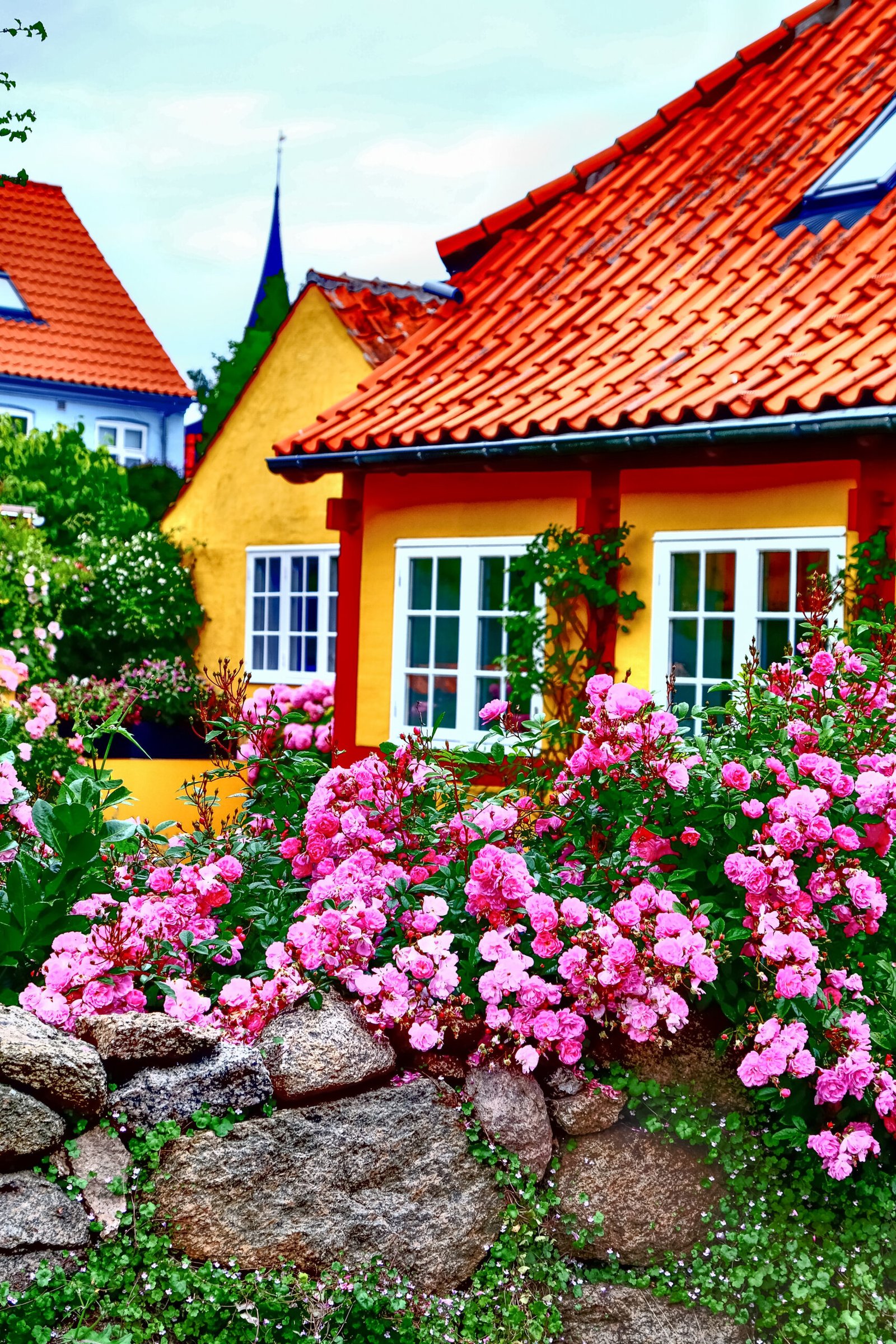
Kragerø is part of a string of similar towns along the southern coast — Risør, Arendal, Grimstad, Mandal — that locals refer to collectively as Sørlandet, “the south.” Risør in particular gets singled out for its white-painted wooden houses and roses climbing the harbor walls, and is about 90 minutes from Kristiansand. If Kragerø is fully booked or you want something with fewer foreign visitors, Risør and Grimstad are worth the same kind of attention.
Sweden
Höga Kusten (The High Coast): Sweden’s Least-Crowded Great Place
Höga Kusten is Sweden’s only UNESCO World Heritage natural site, a stretch of coastline along the Gulf of Bothnia in Västernorrland County that’s still rising out of the sea — literally, about 8mm a year, the result of post-glacial rebound after 20,000 years of ice. The result is a landscape of steep cliffs dropping into deep water, small fishing villages that feel frozen in another era, and a 128-kilometre hiking trail (the Höga Kusten Trail) that’s become something of a pilgrimage for serious Swedish hikers.
What sets Höga Kusten apart from Sweden’s more famous coastal areas is how quiet it stays even at the height of summer. Compared to the Stockholm or Gothenburg archipelagos, you’ll find the fishing villages, hikes, and islands genuinely empty here, even in late July. Norrfällsviken and Bönhamn are the two fishing villages most people single out — red boathouses, small beaches, a few cafés, the kind of place where the main activity is a coffee and a walk. From Bönhamn you can take a ferry out to Högbonden, a tiny island with an old lighthouse that’s now a hostel; staying the night there, with nothing around but rock and sea, is one of the more genuinely remote overnight experiences available within a few hours of a major Swedish city.
Skuleberget, a mountain peaking at around 295 metres, has a chairlift that gets you to the top in about 10 minutes if you’d rather not hike — at the top there are walking trails and a café for fika, the Swedish institution of a coffee-and-pastry break that is taken very seriously. The Höga Kusten Bridge itself, one of Europe’s longest suspension bridges, has become a minor attraction in its own right; locals treat crossing it as a kind of unofficial “we’ve made it” marker on the drive north.
The social atmosphere here skews toward Swedish families who’ve had a summer house in the area for generations, plus a smaller, more dedicated international hiking crowd drawn specifically by the UNESCO trail. It’s not a party destination. It’s the kind of place where the activity is the point and the bar, if there is one, closes early.
Gotland: Sweden’s Largest Island, And Its Most Sociable
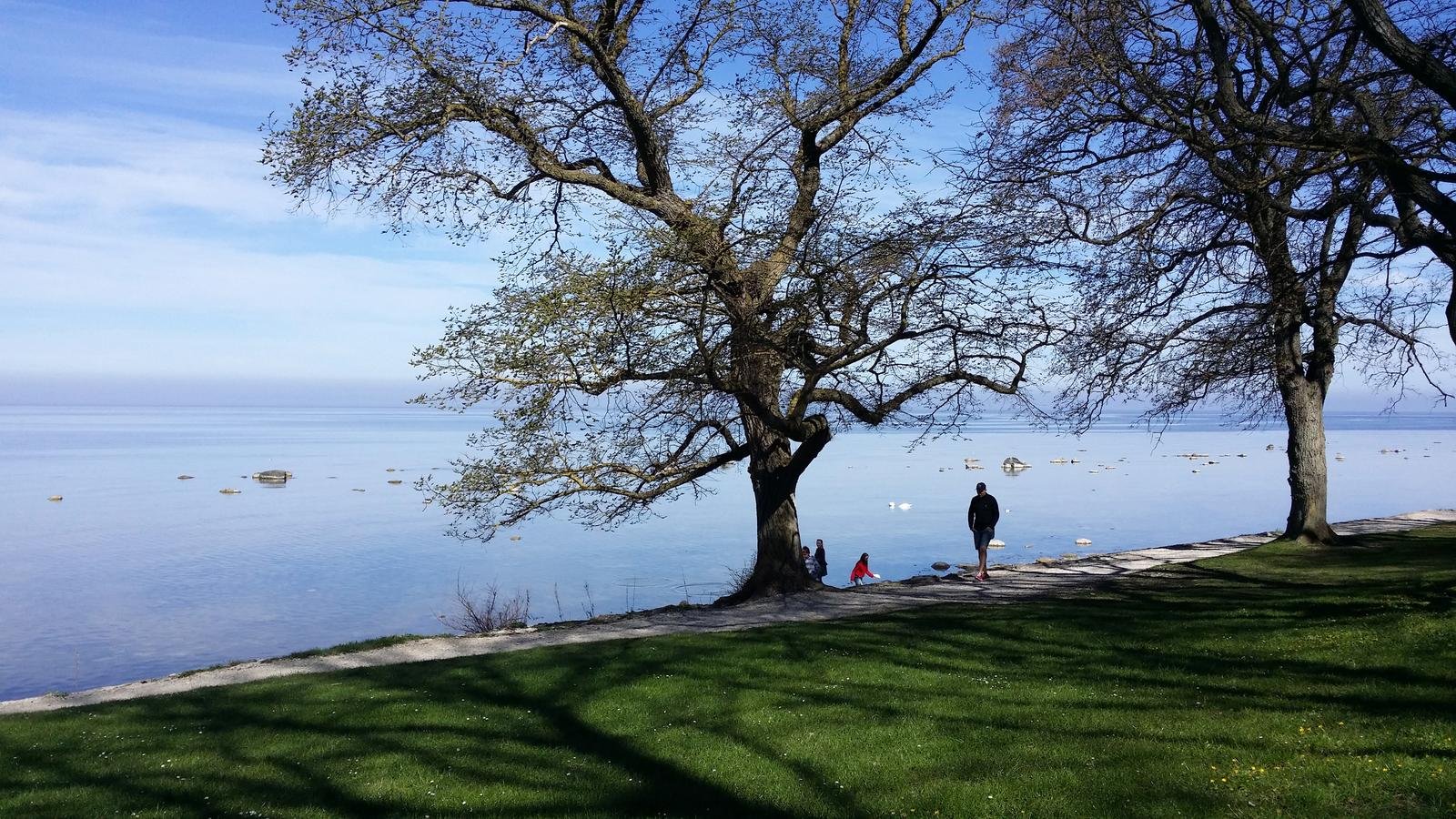
Where Höga Kusten is quiet, Gotland in summer is the opposite — peak season brings serious crowds, and the beaches and restaurants in Visby are genuinely buzzing. Visby itself is a UNESCO World Heritage medieval town with intact city walls, cobblestone streets, and rose-covered houses; it’s also the site of Medieval Week every August, when the entire town turns into a costumed market for several days.
Gotland is mostly flat, which makes it one of the best cycling destinations in Sweden — the full Gotlandsleden loop runs around 500 kilometers, though most visitors do shorter sections. The island’s limestone sea stacks (raukar) are a recurring visual motif, especially around the smaller island of Fårö just to the north, which was the longtime home of director Ingmar Bergman and remains noticeably less developed than the main island. Blå Lagunen, a former limestone quarry now filled with brilliant turquoise water, is a local favorite for swimming precisely because the old quarry acts as a heat trap, making the water warmer than the open sea.
Gotland is reached by ferry — about three hours from Nynäshamn or Oskarshamn on the mainland — or by a short flight. Once there, the social scene is genuinely lively: restaurants, beach clubs, and the kind of vacation crowd you’d expect on a popular Baltic island in August. It’s the most extroverted entry on this Swedish list.
Stockholm Archipelago: For Island-Hopping Without Leaving the Region
The Stockholm archipelago consists of roughly 30,000 islands, most of them uninhabited, and it remains the easiest way to get a genuine Swedish island experience without committing to a multi-day trip. Vaxholm is the classic day-trip option; Sandhamn and Möja reward staying overnight after the day-trippers leave on the last ferry, when the islands empty out and the atmosphere shifts noticeably. Ferries run frequently from central Stockholm throughout summer, and the whole region operates on a “right of public access” basis (allemansrätten) that lets you camp on uninhabited land as long as you’re respectful of it — a genuinely Swedish institution that surprises a lot of first-time visitors.
Finland
Naantali and the Archipelago Sea: Finland’s “Sunshine City”
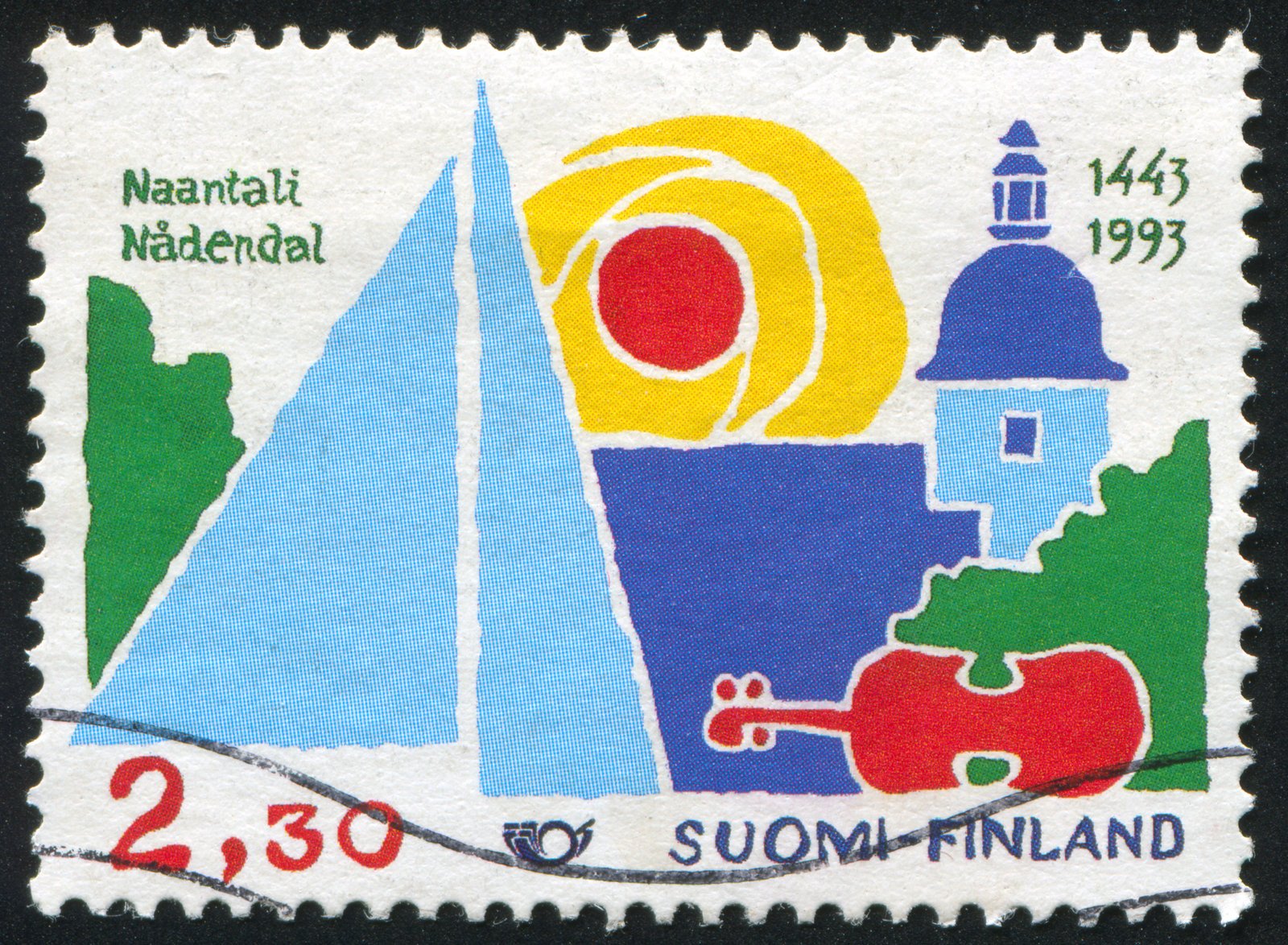
Naantali, about 16 kilometres west of Turku, calls itself Finland’s sunshine city for its reliably bright summer weather, and it has built an entire seasonal identity around being a soft, picturesque entry point into Finland’s enormous Archipelago Sea — the largest archipelago in the world, depending on how you count. The old town is colorful wooden houses and cafés; the harbor sends boats out toward the surrounding islands constantly through the summer months. It’s also home to the Finnish president’s official summer residence, Kultaranta, whose gardens open for guided tours during the season.
Families will know Naantali for one specific reason: Moomin World, the official Tove Jansson theme park, sits on Kailo Island just offshore and operates only from June through August. It’s a genuinely beloved Finnish institution rather than a generic theme park bolted onto the tourist trail — Jansson’s Moomin books occupy a similar cultural space in Finland to Beatrix Potter in Britain, and the park reflects that level of cultural investment rather than commercial cynicism.
Beyond Naantali itself, the 250-kilometre Archipelago Trail connects dozens of islands by road, bridge, and ferry, passing through small fishing villages like Nagu and the historic former quarantine island of Seili. It’s drivable, bikeable, or doable by local bus, and it’s the kind of low-key, multi-day route that rewards people who like slow travel over headline attractions. The social tone throughout this whole region is gentle and family-oriented — more ice cream and harbor walks than nightlife.
Savonlinna and the Lakeland: Opera in a Medieval Castle
Finland is sometimes called the land of a thousand lakes, though the real figure is closer to 180,000, and the Lakeland region in the country’s southeast is where that fact becomes most visible. Savonlinna, the region’s best-known town, is built around Olavinlinna Castle, a 15th-century fortress and the northernmost medieval stone castle still standing, which doubles every July as the venue for the Savonlinna Opera Festival — full productions staged in the castle’s stone courtyard, an objectively striking setting that draws opera audiences from well beyond Finland. The 2026 festival runs Mozart’s Marriage of Figaro, Verdi’s La Traviata and Nabucco, Puccini’s Madama Butterfly, and Bellini’s Norma between 3 July and 1 August.
Outside the opera, Savonlinna functions as a base for exploring Lake Saimaa, Finland’s largest lake and the fourth largest in Europe, dotted with islands and home to the Saimaa ringed seal — one of the rarest seals in the world and found nowhere else. Linnansaari and Kolovesi national parks, reachable by kayak or canoe from Savonlinna, are where most people go looking for the seals; sightings aren’t guaranteed but the paddling itself, through cliffs, caves, and pine forest, is worthwhile regardless.
The social atmosphere here is cultured rather than rowdy — opera audiences, lake cabin families, a mix of older Finnish tourists and a smaller international crowd specifically chasing the festival. Renting a lakeside cabin (mökki) for a week is the dominant local way to experience the region, and Finland’s cottage rental culture is enormous and well organized for visitors who want to try it.
Åland Islands: An Autonomous Archipelago of Its Own
Åland is technically part of Finland but operates as an autonomous, Swedish-speaking region — over 6,500 islands in the Baltic between Finland and Sweden, with a single town, Mariehamn, serving as its hub. The whole area runs on cycling, sailing, and a slower pace than mainland Finland; the Old Postal Route is a popular cycling route, and rental operations in Mariehamn (RO-NO Rent is the one most guides point to) will set you up with bikes, kayaks, and small boats that don’t require a license.
Getting there is part of the appeal: ferries run from both Helsinki/Turku and Stockholm, which makes Åland a natural stopover if you’re combining a Finland and Sweden trip rather than treating it as a destination requiring its own dedicated journey.
Denmark
Bornholm: Denmark’s Sunshine Island
Bornholm sits out in the Baltic Sea, closer to Sweden than to the Danish mainland, and gets more sun than anywhere else in Denmark as a direct result of that isolation. It’s the closest thing Denmark has to a proper holiday island, and Danes treat it that way — beach days, hiking the cliffs, cycling, and a regional food culture built heavily around smoked fish.
Dueodde, on the island’s southern tip, is regularly cited as the best beach in the country — extremely fine white sand, clear water, sandbars that create both shallow and deep swimming close to shore. Gudhjem, a small fishing town on the northeast coast, is the place most people single out for slow travel — a working harbor, a famous local smørrebrød called “sol over Gudhjem” (sun over Gudhjem: smoked herring topped with a raw egg yolk, chives, radish, and onion), and easy access to the ruins of Hammershus, the largest medieval castle ruin in Northern Europe.
The social tone on Bornholm is relaxed, family-oriented, and unmistakably Danish — bikes everywhere, beach huts, hygge taken seriously even in the height of summer heat. It’s reachable by ferry from Ystad in Sweden (about 80 minutes) or from Køge in Denmark (a longer crossing), and also by short flight from Copenhagen.
Skagen: Where Two Seas Meet
Skagen, at the very northern tip of Jutland, is where the Skagerrak and Kattegat seas collide — a genuinely visible phenomenon at Grenen, the sandy spit where you can stand and watch two different bodies of water meet at slightly different angles and colors. The town itself is built from a distinctive yellow-painted brick that’s become a kind of unofficial regional trademark, and it has a long-standing identity as an artists’ colony — the Skagen Painters, a group of late-19th-century Scandinavian artists drawn by the area’s unusually clear light, are still the town’s defining cultural export, and the Skagens Museum houses much of their work.
Skagen’s social scene is notably more upmarket than Bornholm’s — the town attracts wealthy Danes and a degree of low-key celebrity presence in July, wining and dining in the harbor restaurants. The surrounding area is big on summerhouses, and Råbjerg Mile — northern Europe’s largest moving sand dune, shifting roughly 15 metres a year — is a regional curiosity worth the short detour. Skagen is reachable by train (changing in Frederikshavn) or by car along the E45 motorway; it’s the furthest-flung mainland destination in this guide but well served by Danish rail.
Ærø: The Fairy-Tale Island
Ærø, in the South Funen archipelago, is the kind of place travel writers reach for “fairy tale” without much hesitation — and for once the description holds up. Ærøskøbing, the main town, is a near-perfectly preserved 17th-century merchant town: cobbled lanes, half-timbered houses, small gardens spilling over picket fences. Marstal, the island’s other notable town, has small beach huts (badehuse) along the shore and a strong maritime history tied to its old shipbuilding industry.
Ærø is reached by ferry from Svendborg or Fåborg on Funen, and the island operates at a noticeably slower pace than almost anywhere else in this guide — it’s popular with cyclists, with retirees, and with people specifically looking to disconnect for a few days. The social scene is quiet, almost monastic by comparison with Skagen or Gotland, which is precisely the appeal for the people who go.
The Comparison Table
| Place | Country | Activities | The Scene | Accommodation | How to Get There |
|---|---|---|---|---|---|
| Kragerø | Norway | Island-hopping, sailing, swimming, art trails, hiking | Old-money cabin culture, boating families, gentle and established | Hotels from ~NOK 1,200/night; cabin rentals widely available | Bus from Oslo Bus Terminal (~3hrs); car via E18 (~2.5–3.5hrs) |
| Lofoten (Reine/Svolvær) | Norway | Hiking, kayaking, Arctic surfing, climbing, fishing | Young, outdoor-sport-driven, international backpacker mix | Fishermen’s cabins (rorbuer), hostels, campsites | No train; bus/ferry from Bodø or Narvik; flights to Svolvær/Leknes |
| Höga Kusten | Sweden | Hiking the 128km trail, kayaking, climbing, fika culture | Quiet, hiking-focused, Swedish multigenerational summer houses | Lighthouse hostel (Högbonden), boutique hotels, cabins | Train to Kramfors from Stockholm (~5hrs) or overnight train; then local bus |
| Gotland (Visby) | Sweden | Cycling, medieval history, beaches, swimming, Medieval Week | Lively, social, busiest entry in this guide | Hotels, B&Bs, extensive summer rental market | Ferry from Nynäshamn/Oskarshamn (~3hrs); short flight from Stockholm |
| Stockholm archipelago | Sweden | Island-hopping, kayaking, wild camping (allemansrätten) | Day-trippers by day, quiet and local by evening | Island guesthouses, wild camping, Sandhamn hotels | Ferry direct from central Stockholm, frequent in summer |
| Naantali / Archipelago Sea | Finland | Boat trips, island-hopping, Moomin World, cycling the Archipelago Trail | Soft, family-oriented, gentle pace | Hotels, archipelago cottage rentals | Bus from Turku (~25min); train + bus from Helsinki (~2.5hrs total) |
| Savonlinna / Lakeland | Finland | Opera festival, kayaking, lake cruises, seal spotting | Cultured, opera crowd plus lake-cabin Finnish families | Lakeside mökki (cottage) rentals, hotels | Train from Helsinki (~3.5–4hrs with transfer) |
| Åland Islands | Finland | Cycling, sailing, kayaking, island-hopping | Relaxed, bilingual Swedish-Finnish, low-key | Hotels in Mariehamn, island guesthouses | Ferry from Helsinki/Turku or Stockholm |
| Bornholm | Denmark | Beaches, cycling, hiking the cliffs, castle ruins | Relaxed, family-oriented, classic Danish summer holiday | Hotels, summerhouses, campsites | Ferry from Ystad, Sweden (~80min) or Køge, Denmark; flights from Copenhagen |
| Skagen | Denmark | Beach walks, art museums, watching the two seas meet, sand dunes | Upmarket, artsy, some celebrity presence in July | Hotels, hostels, extensive summerhouse market | Train via Frederikshavn; car via E45 |
| Ærø (Ærøskøbing) | Denmark | Cycling, slow walking, beach huts, small-town wandering | Quiet, slow, popular with cyclists and retirees | Guesthouses, B&Bs, small hotels | Ferry from Svendborg or Fåborg, Funen |
A Few Honest Caveats
Prices in this table are approximate and will move with the season — July in Visby or Skagen costs meaningfully more than late August in the same place, and accommodation in particular can double during festival weeks (Medieval Week on Gotland, the opera festival in Savonlinna). Ferry and bus schedules in Norway and Finland’s archipelago regions are seasonal and sometimes weather-dependent; always check the operator’s site directly rather than relying on a published timetable from a prior year.
I’ve also leaned toward describing “the scene” based on what local sources and repeat visitors say, which means there’s an inherent bias toward how a place is generally perceived rather than what any individual week there will actually feel like. Kragerø in late June, full of school-holiday families, is a different town than Kragerø on a quiet Tuesday in early September. Treat the social descriptions as a starting orientation, not a guarantee.
What’s consistent across all of these places, and probably the actual point of this guide: the best Nordic summer destinations are very rarely the capital cities. They’re the small coastal towns, the archipelagos, and the lake regions that locals have been going to for generations specifically because they’re not Stockholm or Oslo or Copenhagen. That’s where the actual Scandinavian summer happens.
Sources
Visit Norway: Kragerø · Visit Telemark: Kragerø · Touropia: A Day in Kragerø · Norway with Pål: Kragerø · The Hidden North: Kragerø · Nordiva Tours: Lofoten Summer Guide · Life in Norway: Lofoten Public Transport · Visit Lofoten: Bus Connections · Katiesaway: Best Places in Sweden in Summer · Sweden.se: Top 10 Summer Tips · Visit Sweden: Gotland · ArrivalGuides: Höga Kusten · Visit Finland: Hot Summer Cities · Lonely Planet: Best Places in Finland · Dimaak: Summer in Finland · Lonely Planet: Best Places in Denmark · VisitDenmark: Best Beaches · Routes North: What To Do in Denmark in Summer · Hand Luggage Only: Best Places in Denmark

 English